I remember standing in a secondary school kitchen three years ago, watching a frantic midday service where the “meat-free” option was essentially just a pile of plain pasta and some limp broccoli because the staff were too terrified of cross-contamination to actually use the prep area. It’s a common sight: the moment a menu shifts away from meat, the kitchen descends into a sort of panicked, uncoordinated scramble. Most people think that learning how vegetarian menus are planned is just about swapping a chicken breast for a halloumi slice, but they are dead wrong. It isn’t a simple substitution; it’s a complete shift in how you manage your flow, your allergens, and your precious, limited prep time.
I’m not here to give you some glossy, theoretical guide written by someone who has never had to feed four hundred hungry teenagers on a budget. I’m going to tell you how vegetarian menus are planned in a way that actually works in a high-pressure kitchen. We’re going to skip the expensive, trendy fluff and focus on the practicalities: managing protein sources without losing your mind, protecting your vegetarian diners from accidental contamination, and building a menu that is both nutritious and sustainable for your staff.
Table of Contents
Meatless Menu Design Principles for Overstretched Kitchens
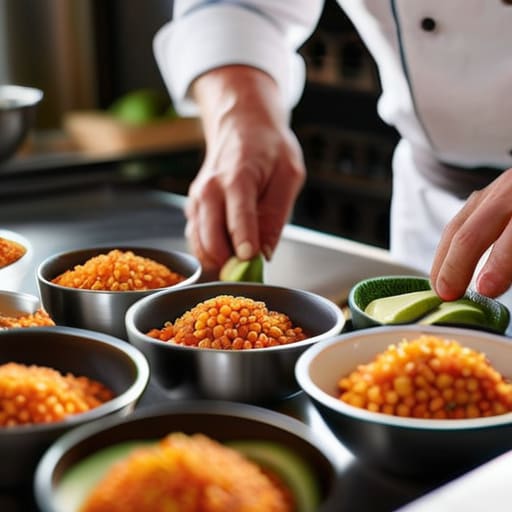
If you’re running a kitchen with three staff members and a lunch service that starts in twenty minutes, you don’t have the luxury of complex, multi-step recipes. When I look at meatless menu design principles, I’m looking for simplicity that doesn’t sacrifice safety. My rule is this: rely on high-quality, pre-prepared components rather than trying to cook everything from scratch mid-service. Using canned pulses or pre-cooked grains isn’t “cheating”; it’s a way to manage your workload while ensuring you aren’t constantly opening new containers and increasing the risk of cross-contamination.
You also have to think about the kids’ plates. It’s easy to serve a pile of pasta and call it a vegetarian meal, but you need to focus on nutritional balance in vegetarian diets so they actually stay full until dinner. This means you shouldn’t just rely on one ingredient. Instead, look at combining plant proteins for complete amino acids—think lentils with rice or beans with wholemeal bread. It’s a small tweak in the planning stage, but it makes a massive difference in how much energy those students have for their afternoon lessons.
Plant Based Meal Prep Strategies That Actually Work
If you’re running a kitchen with three staff members and a lunch rush looming, you don’t have time for elaborate, multi-stage prep that leaves your station looking like a disaster zone. Effective plant-based meal prep strategies aren’t about fancy techniques; they are about workflow and preventing the inevitable chaos of cross-contamination. I’ve seen too many kitchens try to prep complex bean salads and grain bowls right in the middle of service, only to end up with a frantic mess where a stray piece of cheese or a smear of mayo ruins a vegan dish. My advice? Do your heavy lifting during the quiet windows. Prep your legumes, wash your greens, and portion out your grains well before the first bell rings.
When it comes to the actual nutrition, don’t get bogged down in complex science, but do keep an eye on combining plant proteins for complete amino acids to ensure the kids actually stay full until dinner. You don’t need a degree in dietetics to get this right; it’s often as simple as pairing a hearty grain like quinoa or bulgur with a reliable legume. If you focus on these foundational building blocks early in your prep cycle, you aren’t just ticking a box for nutritional balance in vegetarian diets—you’re building a menu that is actually sustainable for your team to execute.
Five Ways to Stop a Vegetarian Menu From Becoming a Food Safety Nightmare
- Stop treating ‘vegetarian’ as a single category. If you’re serving a lentil dahl alongside a chicken curry, your biggest risk isn’t the recipe—it’s the spoon. I’ve seen too many kitchens where the “veg” ladle finds its way into the meat pot during the lunch rush. Label your utensils clearly, or better yet, use colour-coded ones that stay in the vegetarian zone.
- Watch your “hidden” allergens in meat substitutes. When you’re planning a menu that relies on soy, gluten, or nuts to provide protein, you’re adding layers of complexity. Don’t just assume a pre-made veggie burger is “safe” because it’s meat-free; check the labels for cross-contamination warnings every single time a new batch arrives.
- Manage your prep flow to avoid the “triage” mistake. In a busy school kitchen, the temptation is to prep the meat first and then the veg. Flip that. If you prep your vegetarian components first, you reduce the chance of meat juices or stray proteins contaminating your plant-based meals during that frantic mid-morning window.
- Don’t overcomplicate your protein sources. If you’re trying to introduce three new types of meat alternatives in one week, you’re going to lose control of your allergen communication. Stick to one or two reliable, well-understood protein bases per menu cycle so your staff can actually memorize what’s in them.
- Prioritize temperature discipline for high-risk veg. People often think vegetarian food is “safer,” but things like cooked beans, tofu, and dairy-based sauces are high-risk for bacteria. If you’re batch-cooking a large pot of vegetarian stew, don’t let it sit on the counter while you deal with a delivery; get it cooled and logged properly.
The Bottom Line for Your Kitchen
Don’t aim for a perfect “vegan” kitchen; aim for a predictable one. If your staff is too stretched to separate every single tool, focus your energy on high-risk moments like shared fryers or communal prep surfaces where a mistake is most likely to happen.
Documentation isn’t just for the inspectors—it’s your safety net. A quick, honest temperature check or a recorded allergen swap takes thirty seconds, but it’s the only thing that saves you when a child has a reaction and the questions start flying.
Practicality beats idealism every time. If a complex plant-based recipe is causing your team to skip cleaning steps or rush through allergen checks, scrap the recipe. A simple, safe meal is always better than a trendy one that risks a hospital visit.
Frequently Asked Questions
How do I prove to an inspector that my vegetarian meals aren't being cross-contaminated by the meat prep happening on the other side of the kitchen?
Don’t just tell me you’re careful; show me the workflow. I’m not looking for a miracle; I’m looking for a system. If your meat prep is on the far side, show me your color-coded board schedule and your dedicated prep area for plant-based proteins. Most importantly, show me your training logs. If your staff can explain exactly why they aren’t using the same tongs for the halloumi and the ham, you’ve already won half the battle.
What’s the most realistic way to track allergen changes in plant-based ingredients without drowning my staff in more paperwork?
Stop trying to update a massive, master binder every time a supplier tweaks a label. It’s a recipe for error. Instead, move to a “Red Flag” system. Keep a single, laminated sheet at the prep station specifically for ingredient changes. If the soy milk brand changes or the veggie bouillon suddenly lists celery, the person opening the box marks it immediately. It’s one pen, one sheet, and it keeps the information where the cooking actually happens.
If we're running a short-staffed kitchen, which part of the vegetarian prep sequence is the absolute non-negotiable priority?
If you’re short-staffed, forget the fancy garnishes and focus entirely on allergen segregation. The non-negotiable priority is the “separation of flow.” I don’t care how clean your surfaces look if your person prepping the halloumi is using the same tongs as the person handling the chicken. If you can only do one thing right today, make sure your plant-based proteins are prepped in a dedicated window or on a strictly isolated station. Prevent the cross-contact first; worry about the aesthetics later.