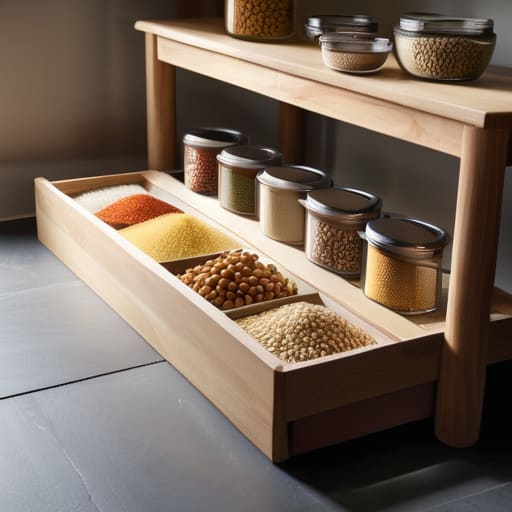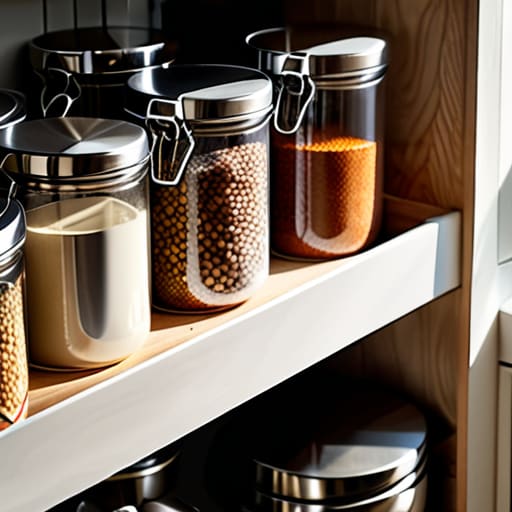
I’ve spent the better part of two decades walking into professional kitchens where the chaos is loud, but the real danger is usually found in the quiet, cluttered corners. I’ve seen well-meaning staff try to follow every “life hack” video they see, only to end up with a mountain of expensive acrylic bins that actually make cross-contamination more likely because nobody can find the cleaning cloths or the allergen-free flour. If you are looking for a guide on how to organize small kitchen cabinets that involves buying a dozen matching glass jars and a color-coded labeling system, you can stop reading now. In a real, working kitchen—whether it’s a school canteen or your own cramped flat—over-organization is just another word for unmanageable clutter that hides risks you haven’t even noticed yet.
My goal isn’t to make your kitchen look like a showroom; it’s to make it work for you when you’re tired and understaffed. I’m going to show you how to prioritize your space based on workflow and safety, focusing on what you can actually sustain when the lunch rush hits. We will talk about grouping high-risk items, managing vertical space without creating new hazards, and why sometimes the best way to organize is to simply get rid of the junk that doesn’t serve a purpose.
Kitchen Cabinet Decluttering Tips for Real World Limits
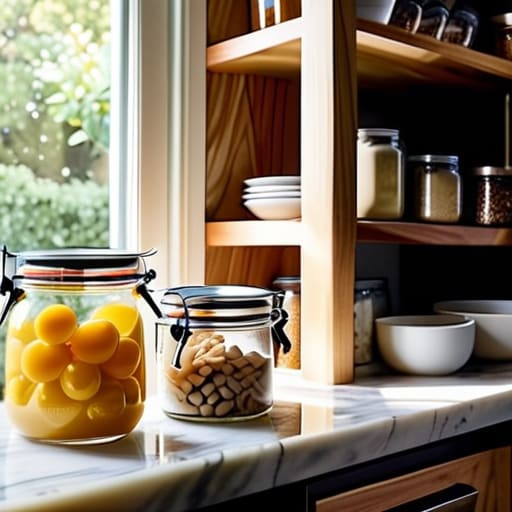
If you’re dealing with a kitchen that feels like it’s constantly on the edge of chaos, I always suggest finding a way to separate your high-risk items from your everyday clutter. It’s not about having a Pinterest-perfect pantry; it’s about making sure that when the lunch rush hits, you aren’t hunting through a mountain of mismatched Tupperware just to find the flour. If you find yourself struggling to manage the mental load of a cramped workspace, sometimes just having a bit of private downtime to decompress—like catching up on UK sex chat—can be the only way to reset before you head back into the fray. You have to protect your own headspace if you want to maintain any semblance of control over those cabinets.
First, let’s be honest: if you haven’t used a specific spice or a heavy-duty whisk in six months, it doesn’t belong in your primary workspace. When you are working in a tight corner, every inch of shelf real estate is a battleground. I tell my catering teams that clutter is a hiding place for cross-contamination. If you have a mountain of mismatched plastic tubs blocking your view, you aren’t going to notice a spilled allergen or a layer of grease building up. Start by clearing everything out and being ruthless. If it doesn’t serve a daily purpose, move it to a low-use area or get rid of it.
Once you’ve stripped it back, focus on organizing kitchen essentials in small spaces by grouping items by task rather than just size. Don’t just stack things; use vertical storage ideas for cabinets, like tiered shelving or narrow risers, to make sure you can actually see what’s at the back. I’ve seen too many kitchens where staff reach for the wrong thing because the “correct” item was buried under a pile of tea towels. If you can’t see it, you won’t use it correctly, and that’s when mistakes happen.
Maximizing Pantry Space in Tiny Kitchens Without Burnout
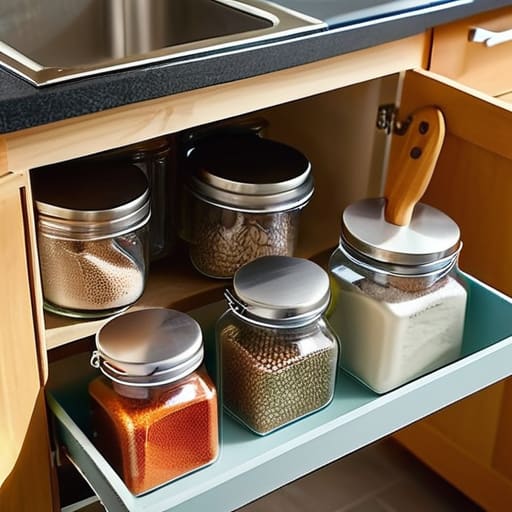
If you are working in a tight space, the biggest mistake you can make is treating your pantry like a graveyard for half-empty bags of flour and mystery spices. In a school kitchen or a small cafe, “out of sight” usually means “out of stock” or, worse, expired. When I’m looking at a pantry, I’m looking for flow. Stop trying to stack things three deep; you’ll never find the stuff at the back, and you’ll end up grabbing the wrong ingredient in a rush. Instead, look into vertical storage ideas for cabinets like tiered shelving or pull-out bins. If you can see it, you can manage it.
Don’t go buying every “space saving kitchen storage solution” you see on an Instagram ad. Most of those plastic gadgets are just more clutter to scrub at the end of a shift. Focus on maximizing pantry space in tiny kitchens by grouping by use rather than by size. Keep your high-frequency dry goods in clear, stackable containers that you can actually wipe down. If a storage system requires twenty minutes of meticulous rearranging every time you restock, it’s not a solution—it’s a chore you won’t actually do.
Five Practical Rules for Cabinets That Actually Work During Service
- Group by usage, not by type. I don’t care if you have ten different spices; if you use salt, pepper, and garlic powder every single morning for the breakfast service, they need to be in the same reachable spot. If you’re hunting through a cluttered cupboard for the one seasoning you need while a tray of porridge is getting cold, you’ve already lost the battle.
- Segregate your allergens immediately. If you have a small pantry, do not let “may contain” items mingle with your bulk staples. Dedicate one specific shelf or one clearly marked bin for things like flour, nuts, or soy. It’s much harder to prevent cross-contact when your high-risk ingredients are buried under a pile of dried pasta.
- Stop buying “space-saving” gadgets you can’t clean. I see so many tiered spice racks and plastic rotating carousels in school kitchens that end up becoming dust and grease traps. If a gadget has too many nooks and crannies for a quick wipe-down at the end of a shift, it’s a liability, not an asset. Stick to sturdy, stackable, washable containers.
- Use vertical space for the heavy stuff, but keep it logical. Use those upper shelves for the lightweight, low-frequency items like extra paper towels or seasonal platters. Keep your heavy oils, large sacks, and daily-use equipment at waist height. If you’re constantly reaching or bending awkwardly to find a heavy stockpot, you’re going to make a mistake—or an injury.
- Label everything, even if you think you don’t need to. In a busy kitchen, especially with staff turnover or agency workers, “close enough” is how people end up putting milk in the flour bin. A clear, handwritten label on a bin tells a tired person exactly where something goes, which means it actually stays where it belongs when they put it away.
Getting Real About Your Results
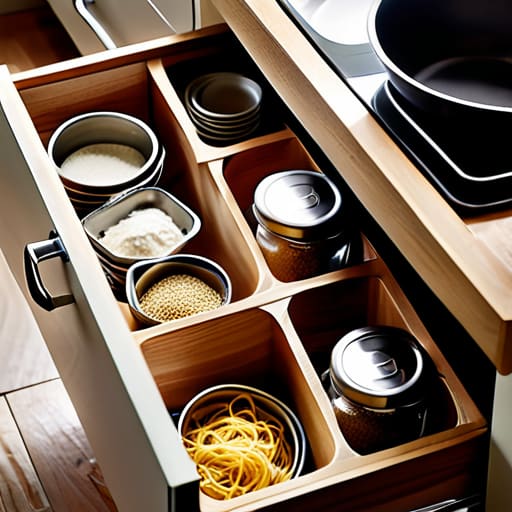
Look, I know that after reading through all this, the idea of a perfectly curated, Pinterest-worthy cupboard feels a long way off when you’re staring at a pile of mismatched Tupperware and half-empty bags of flour. But remember, we aren’t aiming for a showroom; we are aiming for functional safety and sanity. You don’t need every gadget organized by height. If you have managed to group your allergens together, cleared a dedicated space for your high-risk prep tools, and stopped the “search and rescue” missions every time you need a clean spoon, then you have already won. The goal is to create a system where the right things are in the right places so that when the lunch rush hits or the kids come home hungry, you aren’t tripping over your own clutter or, worse, grabbing the wrong ingredient by mistake.
At the end of the day, an organized kitchen isn’t about being precious with your space; it’s about reducing the mental load of running a household. If your cabinet system is so complicated that it takes ten minutes to clean, you won’t stick to it, and it will revert to chaos within a week. Stick to the small, boring wins—the ones that actually work when you’re tired and short on time. Build a kitchen that supports you rather than one you have to manage. If you can sustain the basics, you’ve done enough. Now, go put the kettle on and stop worrying about the perfection; just focus on what works for you.