I’ve spent sixteen years walking into kitchens where the paperwork looks like a work of art, but the actual shelves tell a much darker story. I remember one particular school kitchen—mid-service, chaos in full swing—where I watched a chef reach for a bag of flour and nearly knock a tray of raw chicken onto a prep station because the dry stores were a cluttered mess. It wasn’t a lack of willpower; it was simply that they hadn’t been taught how kitchen storage should be organised in a way that actually works when you’re three staff members short and forty minutes from lunch. Most of the “expert” advice out there is nonsense designed for pristine, high-budget restaurants, not for the reality of a busy service.
I’m not here to sell you on expensive, colour-coded bin systems that you’ll stop using by Tuesday. Instead, I’m going to show you how to build a storage logic that actually sticks. We are going to focus on the high-impact, low-effort moves—like proper vertical stacking and smart allergen separation—that reduce your risk without adding ten minutes to your cleaning routine. My goal is to help you create a system that is realistic to sustain, even on your most frantic days.
Table of Contents
Pantry Organization Systems That Actually Prevent Cross Contamination
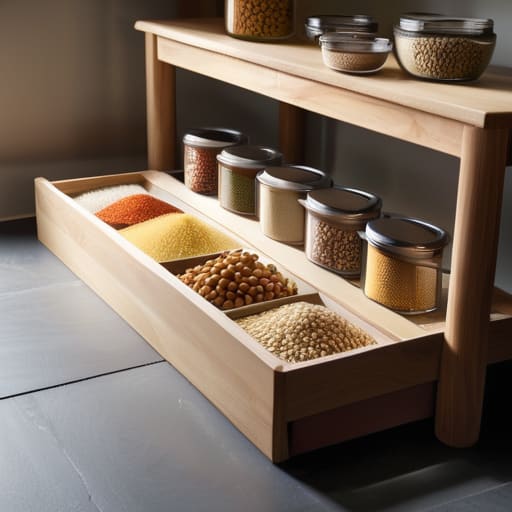
I’ve seen too many school kitchens where the dry stores are a graveyard of half-opened bags and unlabeled tins. When you’re trying to hit a service window for three hundred kids, you don’t have time to play detective with a bag of flour. Effective pantry organization systems shouldn’t be about aesthetics or looking like a Pinterest board; they need to be about visibility and speed. If a staff member has to move five things to find the gluten-free pasta, someone is eventually going to grab the wrong bag in a rush.
My rule of thumb is to group by “risk profile” rather than just food type. Keep your high-allergen items—like flour, nuts, or soy—in a dedicated, clearly marked zone, ideally at eye level where they can’t be missed. This is where food container labeling becomes your best friend; don’t just write what’s inside, write the expiry date in big, bold marker. If you’re working with limited shelf depth, don’t waste time trying to maximize every inch of a dark corner. It is better to have a slightly less dense shelf that you can actually see into than a packed cupboard that becomes a hiding place for expired stock.
Food Container Labeling the Small Discipline That Saves Lives
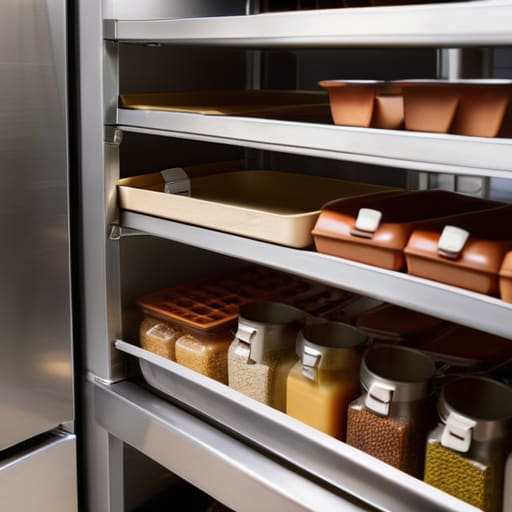
I’ve seen it a hundred times: a busy service is underway, a cook reaches for a tub of what they think is plain flour, only to find out ten minutes later it was actually cornflour—a nightmare for a child with a wheat allergy. This is why food container labeling isn’t just about tidiness; it is your primary line of defence. If you are using clear bins to assist with kitchen workflow optimization, you cannot rely on visual identification alone. A clear lid tells you what is inside, but it doesn’t tell you when it was opened or if it contains a hidden allergen.
Stop treating labels like an afterthought for when the kitchen is quiet. If you’re running a tight ship, your labels need to be blunt: name of product, date opened, and a clear allergen warning if it’s not a “standard” ingredient. I don’t care if your handwriting is messy; I care that the person working the 11:00 AM rush can read it without squinting. A disciplined labeling system is the easiest way to ensure that your pantry organization systems actually serve a safety purpose rather than just looking good for an inspection.
Five Practical Rules for When You’re Short on Space and Time
- The “Gravity Rule” for Refrigeration: Stop overthinking color-coded bins if they just end up in the wrong place. Just stick to the vertical logic: ready-to-eat and cooked foods on the top shelves, and raw proteins—meat, poultry, fish—on the absolute bottom. If a package leaks, it only ruins something that’s already been cooked, not something that’s about to be.
- Separate Your Allergen “Zones”: You don’t need a dedicated room, but you do need a dedicated shelf or a clearly marked plastic tub. If you’re working with high-risk ingredients like flour or nuts, keep them physically isolated from the rest of your dry stores so a stray spill doesn’t turn your entire pantry into a hazard.
- First In, First Out (FIFO) Without the Drama: Don’t make it a complicated rotation system that requires a degree to understand. When a new delivery comes in, just shove it to the back. If your staff has to hunt for the oldest stock, they won’t do it, and you’ll end up throwing away money—and potentially serving expired ingredients.
- Decant with Caution: I see this constantly in school kitchens—moving things from bulk bags into smaller, unlabelled tubs because “it’s easier.” It’s a trap. If you must decant, the new container needs the same level of information as the original. If you can’t see the expiry date or the ingredients, you shouldn’t be using it.
- Keep the “Clean” and “Dirty” Paths Clear: Your storage layout should reflect your workflow. Don’t store your clean service plates right next to where you unbox dirty deliveries or store raw vegetables. It’s not about being tidy; it’s about making sure the path from the fridge to the plate doesn’t cross the path of a potential contaminant.
The Bottom Line: What Actually Matters When the Rush Starts
Stop chasing perfection with fancy color-coded bins if you can’t maintain them; focus entirely on the vertical logic of raw versus cooked to prevent drips and cross-contamination.
A label is useless if it’s illegible or missing; make “date and contents” a non-negotiable part of your workflow, not an afterthought for when the kitchen goes quiet.
Prioritize your storage logic around your highest-risk items—allergens and raw proteins—because if you can’t manage the big threats, the rest of the organization is just window dressing.
Frequently Asked Questions
I’ve got a tiny walk-in fridge and a massive delivery coming in; how do I prioritize what goes where when I don't have the space to follow the 'ideal' layout?
Listen, I’ve been in that tiny walk-in when the delivery driver is breathing down your neck. Forget the textbook “perfect” layout for a second; prioritize vertical safety. Get those raw proteins—chicken, mince, anything dripping—on the absolute bottom shelf immediately. Even if it means your veg is squeezed into a corner, keep the high-risk stuff low. If you can’t separate everything, at least ensure nothing is stored above anything that can contaminate it.
My team is constantly losing track of prep dates even with labels; is there a way to make the labeling system work for people who are rushing to get lunch out?
If your labels are being ignored, your system is too complicated for a rush. Stop using those tiny, fiddly stickers that peel off when things get damp. Switch to a “Day of the Week” method using bright, colour-coded clips or magnetic boards. If it’s Monday, it gets a blue clip. It takes half a second to grab a clip, whereas writing a full date while a lunch queue is forming is a recipe for failure.
We struggle with allergen separation in a shared pantry; if I can't afford separate cupboards, what’s the most realistic way to stop a stray bit of flour or nut from ruining everything?
If you can’t afford separate cupboards, stop trying to reorganize the whole room and focus on “containment and elevation.” Get airtight, clear bins for your high-risk allergens—flour, nuts, seeds—and keep them on the highest shelf or in a dedicated, separate zone. Never store them below anything else. If a bag of flour leaks, it shouldn’t be able to rain down on your ready-to-eat pasta. It’s about creating physical barriers that don’t rely on memory.