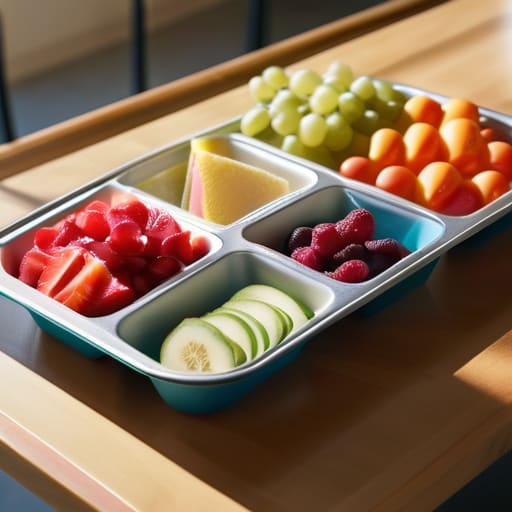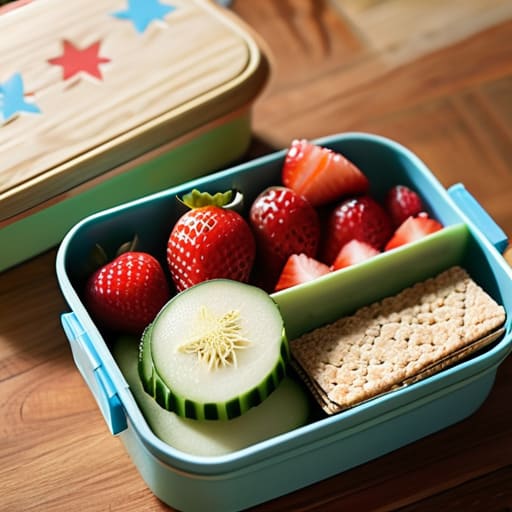
I’ve sat through countless meetings where administrators present glossy, expensive digital platforms designed to track student satisfaction, as if a complex algorithm is the magic fix for a lukewarm meal. It’s nonsense. Most of these high-tech solutions are just expensive ways to generate data that nobody in a busy kitchen actually has the time to read. If you want to know the truth about how pupil feedback should be collected, you have to stop looking at spreadsheets and start looking at the actual plates coming back to the wash station. A pile of half-eaten, expensive pasta tells you more about your menu’s success than a thousand clicks on a tablet ever will.
I am not here to sell you on a software subscription or a complicated pedagogical theory. My promise to you is much simpler: I’m going to show you how to build a feedback loop that actually survives a frantic lunch service. We are going to focus on low-effort, high-impact methods that give you real intelligence without adding another hour of paperwork to your day. I’ll tell you what works when you’re short-staffed, and more importantly, what to ignore so you can get back to the real work of feeding children.
Table of Contents
Building Classroom Feedback Loops That Actually Survive the Bell
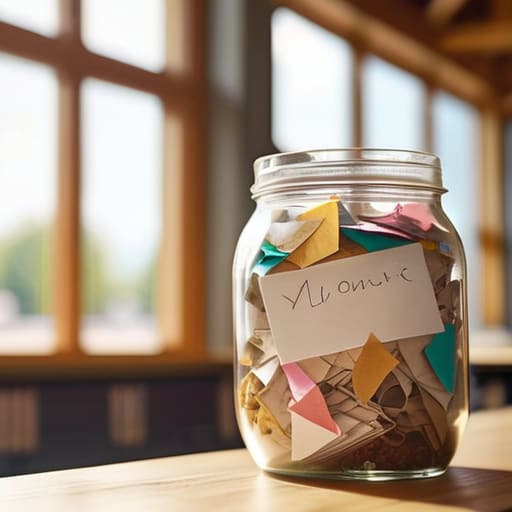
If you try to run a massive, formal survey every half-term, you’ll find that the only people filling it out are the ones who either love everything or hate everything. That isn’t data; it’s noise. To make classroom feedback loops actually work in a school setting, you have to move away from the idea that feedback is a “big event” and start treating it like a quick temperature check. I’ve seen much better results from simple, low-friction methods—like a “suggestion jar” in the dining hall or a two-minute verbal check at the end of a meal service—than from a twenty-question digital form that staff then have no time to actually read.
The goal isn’t to gather mountains of paperwork; it’s about creating effective feedback mechanisms for learners that catch the small, niggling issues before they escalate. I’m talking about the difference between a student saying “the food is bad” and a student telling you “the vegetarian option is always served cold.” One is a complaint you can’t fix; the other is a specific, actionable piece of intelligence. Focus on the why behind the plate, and you’ll find you’re spending much less time firefighting and much more time actually improving the service.
Effective Feedback Mechanisms for Learners Without the Administrative Bloat
If you try to implement a heavy-duty digital survey every Friday, it won’t happen. Not because the staff are lazy, but because they are already running on fumes. To find effective feedback mechanisms for learners that actually work, you have to stop thinking like a data scientist and start thinking like a kitchen manager. You don’t need a twenty-question questionnaire; you need a way to catch the “temperature drops” in student satisfaction before they become a full-blown crisis.
I’ve seen schools get bogged down in the debate of qualitative vs quantitative student surveys, trying to turn every lunchroom conversation into a spreadsheet. It’s a waste of time. Instead, look for the low-friction wins. A simple “thumbs up/thumbs down” station or a physical suggestion box near the exit does more for engaging students in school decision making than a complex app that nobody has the login details for. The goal isn’t to collect mountains of data; it’s to build a system that is actually sustainable when the midday rush hits and the staff are stretched thin.
Five ways to get the truth without adding another hour to your shift
- Stop asking “Did you like it?” and start asking “Was it what you expected?” A student might love a meal but fail to mention it was too salty or too hot to eat; you need questions that catch the practical failures, not just the popularity contest.
- Use the “three-plate rule” for quick checks. Instead of a formal survey, just look at what’s being left on the trays at the end of service. If the broccoli is untouched every Tuesday, you don’t need a spreadsheet to tell you there’s a problem—you just need to change the prep.
- Keep the feedback loop physically close to the service point. If a student has to walk across a hall to find a suggestion box, they won’t use it. A simple, visible way to flag an issue right as they finish eating is the only way to catch the small things before they become big complaints.
- Prioritise the “why” over the “what.” If a child says the pasta was bad, I don’t care about the adjective; I want to know if it was undercooked, if the sauce was cold, or if it was just too much food. Aim for feedback that actually tells you which part of your process needs a tweak.
- Don’t collect data you aren’t prepared to act on. If you ask for feedback and then change nothing for three months, the students will stop telling you the truth, and you’ll be left flying blind. Only ask for the information that you actually have the budget or the time to fix.
What you actually need to take away from this
Stop looking for “data” and start looking for patterns; a single student mentioning a texture issue is a data point, but five students mentioning it is a signal that your kitchen processes need adjusting.
If a feedback system takes more than thirty seconds of a staff member’s time or a student’s attention, it isn’t a system—it’s a chore that will be abandoned by mid-term.
Use the feedback to fix the small, boring things—like the temperature of the mash or the consistency of the sauce—because those are the details that keep kids eating and keep your kitchen running smoothly.
Frequently Asked Questions
How do I know if the feedback I'm getting is actually honest, or if the kids are just telling me what they think I want to hear to get a better lunch?
Look, if you ask a room of hungry ten-year-olds “How was the pasta?” you’re going to get “Good” because they want the pasta to stay on the menu. It’s a survival tactic. To find the truth, stop asking for opinions and start looking for patterns in what’s left on the plate. If the broccoli is consistently coming back untouched, it doesn’t matter if the feedback forms say it’s “lovely”—the plate is telling you the real story.
We’re already short-staffed and running on a tight schedule; how much time should I realistically be carving out for this without it interfering with service?
Look, I know the feeling. You’ve got a service to push out and a team that’s already stretched thin. If I told you to set aside an hour of staff time every week for “feedback analysis,” I’d be lying to you. You wouldn’t do it, and I’d be a bad inspector for suggesting it. Aim for ten minutes of active oversight. If you can’t find ten minutes to check the pulse of your kitchen, you aren’t managing risk; you’re just hoping for the best.
If the feedback shows a consistent issue with something like allergen labelling or meal quality, what’s the most practical way to document that for my supervisors without it becoming a massive paper trail?
Don’t bother with a formal report for every minor hiccup; you’ll never get it finished. Instead, keep a single “Trend Log”—a simple notebook or a shared spreadsheet—where you jot down the date, the issue, and the frequency. If you see “wrong allergen label” appearing three times in a week, that’s your evidence. It’s not just a complaint anymore; it’s a pattern. Show your supervisor that one line of data, and they can’t ignore it.