I remember standing in a school kitchen three years ago, watching a chef try to “speed up” the cooling of a massive pot of beef stew by simply sticking it in a standard walk-in fridge. The steam was fogging up the thermometer, the ambient temperature was climbing, and I could practically see the bacteria starting to throw a party in that lukewarm center. Most people think understanding how blast chillers work is about memorising some expensive piece of engineering jargon or buying the flashiest model on the market, but that’s a load of rubbish. It’s not about the shiny stainless steel; it’s about the physics of brutal, rapid heat extraction before the danger zone turns your prep into a liability.
I’m not here to sell you a brochure or lecture you on theoretical thermodynamics. My goal is to strip away the technical fluff and explain the reality of how these machines actually protect your food and your staff. I’ll tell you exactly how the airflow and temperature drops function in a high-pressure environment, and more importantly, what actually matters when you’re staring down a service for four hundred hungry kids. We’re going to focus on the practical mechanics that keep your kitchen safe and your paperwork honest.
Table of Contents
The Brutal Physics of Heat Transfer in Food Cooling
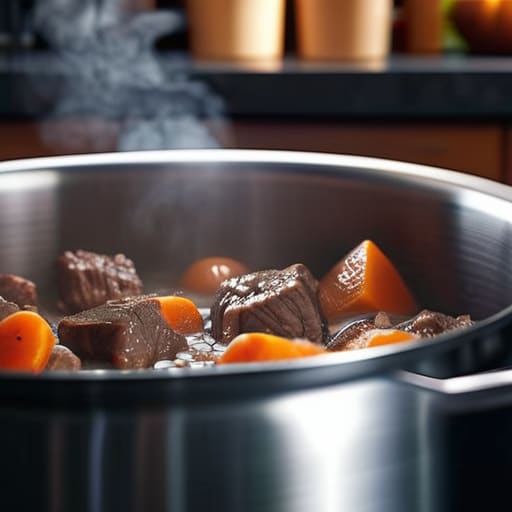
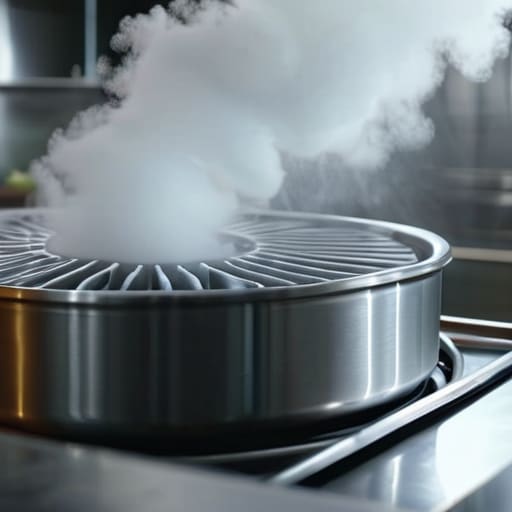
Here is the reality of what’s happening inside that pot of stew: physics doesn’t care about your prep schedule. When you leave a large batch of hot food to sit on a counter or, heaven forbid, in a standard walk-in fridge, you aren’t just “cooling it down”—you are creating a massive, warm incubator. Standard refrigeration is designed to keep things cold, not to pull heat out of a dense mass of food. In a normal fridge, that hot pot sits there, radiating heat, effectively raising the temperature of everything around it and keeping your food trapped in the “danger zone” for hours.
This is where the actual science of heat transfer in food cooling comes into play. A blast chiller doesn’t just blow cold air; it uses high-velocity, forced convection to strip heat away from the surface of the food far faster than a passive fridge ever could. By aggressively moving air across the product, you are essentially forcing the thermal energy out of the center of the batch. It’s about preventing bacterial growth by ensuring you don’t linger in that window where pathogens decide it’s the perfect time to multiply.
Rapid Cooling Technology as Your Most Reliable Safety Buffer
Here is the reality: your standard walk-in fridge is not a cooling tool; it is a storage tool. If you try to use it to bring down a massive pot of stew or a tray of pasta, you aren’t just being inefficient—you are actively creating a breeding ground. When you crowd a fridge with hot containers, the ambient temperature spikes, and you end up in that middle zone where bacteria don’t just grow, they thrive. This is why relying on rapid cooling technology isn’t a luxury for high-end restaurants; it is a non-negotiable requirement for anyone managing high-volume production.
Investing in the right commercial kitchen equipment acts as your primary insurance policy. A blast chiller pulls the heat out of the core of the food before the microbes have a chance to hit their stride. It takes the guesswork out of the equation. Instead of crossing your fingers and hoping that tray reached the safe zone before lunch service, you have a machine that follows the rules for you. It’s about building a system that protects the children you’re feeding, even when your staff is exhausted and the kitchen is chaotic.
Five Real-World Rules for Not Making a Mess of Your Cooling Cycle
- Stop overloading the unit. I’ve seen kitchens try to cram three trays of steaming hot pasta into a blast chiller like they’re playing Tetris; if you don’t leave space for the air to actually move, you aren’t blast chilling, you’re just making a very expensive, very warm cupboard.
- Respect the ‘pre-chill’ reality. If you’re trying to blast chill a massive, deep pot of thick stew, you’ve already lost the battle—break it down into shallow, individual containers first so the cold can actually penetrate the core before the bacteria start their party.
- Watch the door, for heaven’s sake. Every time you swing that door open to “check on things,” you’re letting all that hard-won cold air escape and forcing the machine to work twice as hard, which is exactly how you end up with food that’s still in the danger zone when you think it’s safe.
- Don’t trust the machine blindly; trust the probe. A blast chiller is a tool, not a magic wand, so if your HACCP plan says you need a core temperature reading, get the probe in there and verify it—don’t just assume because the timer went off that the middle of that chicken is actually safe.
- Clean the condenser or prepare for failure. If the dust and grease build up on those coils because “we’re too busy to clean,” the machine won’t be able to pull the heat out of your food, and you’ll be left standing there with a tray of lukewarm risk instead of a safe meal.
The Bottom Line: What You Actually Need to Take Away
Stop treating cooling like a waiting game; if you aren’t actively pulling heat out of that food, you’re just letting bacteria have a party in the danger zone.
A blast chiller isn’t a luxury or a “nice-to-have” for high-end bistros—it is your primary defense against a massive, preventable food safety failure during a busy service.
Technology is useless without the discipline to use it; your cooling logs are only as good as the actual temperature drop you’re achieving in the machine.
Frequently Asked Questions
If I’m already using a walk-in fridge, why am I wasting money and floor space on a blast chiller?
I get this question every time I walk into a kitchen that’s trying to stretch a budget. Look, a walk-in fridge is for storage, not for cooling. If you take a massive pot of hot stew and shove it into a walk-in, you’re essentially turning your fridge into a warm box for the next few hours. You’re raising the temperature of everything else in there, risking a massive spike in the danger zone. A blast chiller isn’t a luxury; it’s how you actually kill the risk.
Can I actually use a blast chiller to freeze food, or is it strictly for pulling heat out of hot batches?
Technically, yes, you can use a blast chiller to freeze food, but let’s be clear about what you’re actually doing. If you’re using it to hit freezing temperatures for long-term storage, you’re basically using it as a high-performance freezer. It’ll get the job done faster and more evenly than your standard walk-in, which is great for quality, but don’t mistake it for a magic wand. Use it for the rapid pull-down; don’t let it become an expensive substitute for proper storage.
What happens to my cleaning schedule if we start relying on a blast chiller for our prep cycles?
It doesn’t replace your cleaning schedule; it actually makes your hygiene discipline more critical. When you move to a blast chiller, you’re introducing a high-density, high-moisture environment—basically a magnet for Listeria if you aren’t careful. You can’t just blast-chill and walk away. You need to tighten your cleaning frequency for the unit itself and ensure the seals and fans are wiped down religiously. A dirty chiller won’t just spoil the food; it’ll contaminate the whole batch.