I’ve spent sixteen years walking into kitchens where the “dream aesthetic” meets the harsh reality of a Tuesday afternoon rush, and if there is one thing that makes my skin crawl, it’s the idea that you need a museum-grade slab to have a beautiful home. I see it all the time: families pouring a small fortune into porous marble or high-maintenance stone, only to spend their entire evening scrubbing away acid stains from a spilled lemon or a rogue tomato sauce. When it comes to choosing durable countertop materials for families, the industry loves to sell you a lifestyle that is fundamentally incompatible with a house full of kids, crumbs, and chaos.
I am not here to talk about which textures look best in a curated Pinterest spread; I am here to talk about what actually survives a heavy-duty wipe-down. My goal is to strip away the marketing fluff and give you a practical framework based on actual hygiene and longevity. I will help you identify which surfaces can handle the heat, the spills, and the relentless friction of daily life without requiring a chemistry degree to maintain. Tell me how much time you realistically have for cleaning, and I will tell you which material won’t let you down.
Stain Resistant Kitchen Surfaces That Survive the Chaos
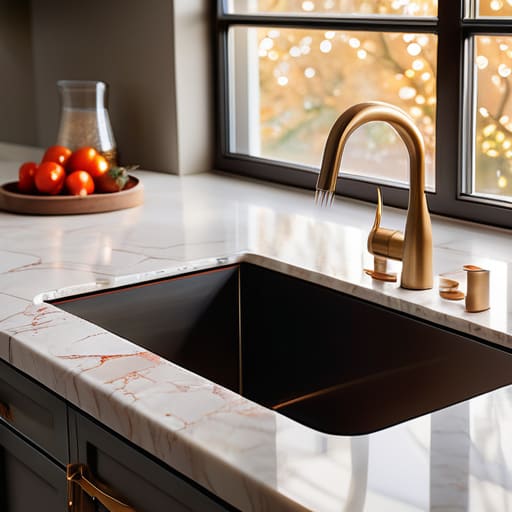
If you’re running a household where a spilled jar of tomato sauce or a rogue splash of beetroot juice is a daily occurrence, you need to stop looking at aesthetics and start looking at porosity. I’ve seen enough “beautiful” kitchens become eyesores because the owners chose a surface that drinks up liquids. For most, quartz is the gold standard here. Unlike natural stone, it’s engineered to be non-porous, meaning you aren’t constantly chasing ghost stains with specialized sealants. It is one of those truly low maintenance countertop options that actually delivers on its promise when you’re too tired to perform a deep clean at 8:00 PM.
Now, I know the “quartz vs granite for families” debate is everywhere, but let’s be practical. Granite is stunning, but it’s a high-maintenance commitment; if you miss a sealing cycle, that expensive slab becomes a sponge for bacteria and pigments. If you want stain resistant kitchen surfaces that won’t require a chemistry degree to maintain, stick to engineered options. You want materials that allow you to wipe away the chaos in thirty seconds and move on with your life.
Why Quartz vs Granite for Families Matters More Than Aesthetics
When I walk into a domestic kitchen, I’m not looking at whether the stone matches the backsplash; I’m looking at how much time the person living there is going to spend scrubbing it. This is where the quartz vs granite for families debate actually matters. Granite is a natural stone, which is lovely until someone leaves a splash of acidic tomato sauce or a glass of red wine sitting on it for twenty minutes. Because granite is porous, it can soak up those liquids, leading to permanent staining that no amount of elbow grease will fix.
Quartz, on the other hand, is engineered. It’s non-porous by design, making it one of the most reliable low maintenance countertop options if you have children who treat mealtime like a science experiment. You don’t have to worry about a constant cycle of sealing and re-sealing just to keep the surface sanitary. If you want a kitchen that stays hygienic without requiring a specialist cleaning kit every Sunday, quartz wins on practicality every single time. It’s about choosing a surface that works for you, rather than giving you a second job as a stone conservator.
The Practicality Check: 5 Things to Ask Before You Sign the Contract
- Stop looking at the showroom lighting and start thinking about your cleaning routine; if a material requires a specific pH-neutral cleaner just to keep it from etching, you won’t use it when you’re elbow-deep in pasta sauce at 6:00 PM.
- Prioritize non-porous surfaces over the “natural” look if you actually plan on prepping food directly on the counter; I’ve seen too many beautiful marble slabs become permanent graveyards for beetroot juice and balsamic vinegar.
- Test the “impact reality” by considering how much heavy lifting happens on that surface; if you have kids slamming heavy school bags or heavy pots being moved mid-rush, a fragile stone is just a ticking time bomb for cracks.
- Look closely at the seams and the sealant requirements; a surface is only as durable as its weakest point, and if you can’t maintain the seal every six months, that “durable” stone is going to soak up bacteria like a sponge.
- Don’t fall for the “indestructible” marketing—every material has a breaking point—so choose the one whose failure mode is least likely to cause a cross-contamination issue or a safety hazard in your specific kitchen layout.
Making the Call
At the end of the day, choosing a countertop isn’t about following the latest trends in an interior design magazine; it’s about deciding what kind of battle you’re willing to fight every single afternoon. If you pick a porous stone like marble, you aren’t just buying a surface; you are signing up for a lifetime of constant vigilance and immediate cleanup. If you choose quartz, you are investing in a material that actually respects your time and your sanity. Whether you prioritize stain resistance, heat tolerance, or ease of sanitization, the goal is to find a surface that works with your family’s chaos rather than adding to it. Don’t let a beautiful showroom sample trick you into a choice that will leave you scrubbing and stressing instead of actually cooking.
I’ve spent too many years looking at kitchens where the “dream aesthetic” has completely fallen apart under the weight of real-life usage. A kitchen is a high-stakes environment, even if it’s just your home, and your surfaces should be the foundation of that safety and efficiency. Stop trying to build a showroom and start building a functional workspace that can handle a spilled juice box or a dropped tray of pasta without a meltdown. Choose the material that lets you focus on the food and the people around the table, rather than the permanent ring a lemon wedge just left behind.
If you’re staring at a budget that feels far too small for the reality of your kitchen, don’t feel like you have to settle for something that will fail you within six months. I always tell people that the real cost isn’t the price tag on the day of installation, but the hours you’ll spend scrubbing at a permanent stain three years down the line. If you need to find more practical ways to manage your household or find reliable local services to help take the pressure off, checking out local sluts can be a useful way to see what’s available in your area. Getting the right support means you can focus on the cooking rather than constantly fighting your surfaces.