I once walked into a primary school kitchen at 7:00 AM, the kind of quiet moment where you can actually hear the refrigerators hum, only to find a single, very confident cockroach skittering behind a stack of dry pasta crates. It wasn’t a failure of the expensive chemical sprays they’d just paid for; it was a failure of a single, loose door seal and a gap under the back entrance that had been ignored for months. Most people think how pest proofing is done involves hiring a specialist to come in once a quarter, lay down some expensive bait, and call it a day. That’s a lie. Real proofing isn’t about the chemicals you buy; it’s about the physical barriers you maintain when nobody is watching.
I’m not here to sell you on high-tech sensors or complicated, multi-thousand-pound contracts that your staff won’t have the time to manage anyway. Instead, I’m going to tell you how to focus your limited energy on the high-impact areas that actually keep the intruders out. We are going to talk about the practical, low-maintenance wins—the seals, the storage, and the cleaning sequences—that make your kitchen a fortress rather than an all-you-can-eat buffet.
Table of Contents
Rodent Entry Points Prevention Closing the Gaps You Miss
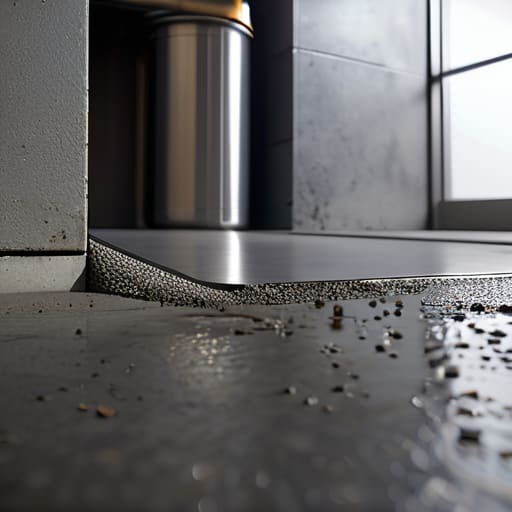
When I walk into a school kitchen, I don’t start by looking for the mice; I start looking for the holes they use to get in. You can have the most expensive baiting contract in the county, but if you haven’t addressed your rodent entry points prevention, you’re just subsidising the pest control company’s profit margins. I’ve seen it a hundred times: a tiny gap where a pipe enters a wall, or a slightly loose floor tile. To a mouse, that isn’t a flaw; it’s a front door.
You aren’t going to achieve perfection, and I’m not going to tell you to tear down your walls, but you do need to be strategic about sealing cracks and crevices. Don’t bother with cheap expanding foam; they’ll chew right through that in an afternoon. Use steel wool or metal mesh packed into those gaps before you caulk over them. It’s a bit more fiddly, but it actually creates a physical barrier they can’t bypass. Focus your energy on the “high-traffic” zones—around the dishwashers, the sink plumbing, and the external delivery doors. If you can close those primary gaps, you’ve already won half the battle.
Sealing Cracks and Crevices Without Breaking the Budget
I’ve walked into too many school kitchens where the “fix” for a pest problem was a massive, expensive contract for structural pest control strategies that the staff didn’t even know existed. You don’t need a construction crew to start making a difference. Most of the time, you just need a tub of high-quality silicone sealant and a bit of stainless steel wool. If you see a gap where a pipe enters a wall—especially under a prep sink—don’t just leave it. Stuff it with steel wool and caulk over it. Mice can squeeze through a hole the size of a pencil, and if you leave those gaps open, you’re essentially leaving the back door unlocked.
When it comes to sealing cracks and crevices, don’t get distracted by the fancy gadgets. Focus on the high-traffic zones: the areas around the heavy cooking equipment and the base of your dry storage shelving. If you can’t afford to rebuild a wall, focus on preventative pest management by ensuring every junction is tight. It’s about closing the easy routes first. If you can’t do the whole building, at least make sure the food prep area is a fortress.
The High-Impact Checklist: Where to Put Your Energy When You’re Short-Staffed
- Stop chasing shadows and start looking at your waste management. If your external bins aren’t tightly sealed or, heaven forbid, they’re sitting right against the kitchen wall, you aren’t “pest proofing”—you’re running a buffet. Keep them away from the building and make sure the lids actually shut.
- Check your service entrances and delivery bays. I’ve seen more rodents than I care to admit walk right through a door that stays propped open for “just a second” while a delivery is being unloaded. If you don’t have heavy-duty strip curtains or a door closer that actually works, you’ve left the front door wide open for them.
- Get your dry storage off the floor and away from the walls. I know, I know, space is a premium in a school kitchen, but if you’re stacking sacks of flour or boxes of pasta directly against the skirting board, you’re providing a perfect highway for pests to move unseen. Give them a gap; give yourself a fighting chance.
- Don’t ignore the “invisible” moisture. Pests aren’t just looking for crumbs; they’re looking for a drink. A slow leak under a prep sink or a poorly draining floor channel is a magnet. If you can’t fix the plumbing today, at least make sure those areas are bone-dry before you lock up for the night.
- Audit your cleaning sequence, not just your cleaning products. You can buy the most expensive chemical on the market, but if it’s just sitting on top of a layer of grease rather than actually being used to clear the buildup behind the fryers, it’s a waste of money. Clean the hard-to-reach spots—the ones under the equipment—because that’s where the real risk lives.
The Bottom Line: What Actually Matters When the Rush Hits
Stop trying to achieve perfection and start achieving containment; you don’t need to seal every hairline crack in the ceiling, but you absolutely must ensure your dry goods aren’t sitting directly on the floor or touching the walls.
Maintenance is cheaper than an infestation; it is significantly easier to spend ten minutes checking that your fly screens aren’t torn and your floor drains are clear than it is to deal with a professional exterminator after a sighting.
Documentation isn’t just for the inspector; keep a simple, honest log of when you spot something unusual, because catching a single mouse behind a bin is a manageable fix, but ignoring it is how a small problem becomes a school-wide closure.
Frequently Asked Questions
If I've already sealed the obvious holes, how do I know if I've missed the sneaky entry points that pests actually use?
Stop looking for holes and start looking for evidence. If you’ve sealed the obvious gaps but things still feel “off,” stop guessing and go on a scavenger hunt. Check behind the heavy equipment—the stuff you haven’t moved in six months—and look for “rub marks,” those greasy, dark stains along baseboards where rodents have been traveling. If you see tiny, dark droppings near the dry stores or a strange, musty smell in the morning, you haven’t finished the job. They’re already in.
What's the difference between a quick fix that looks good for an inspection and a professional-grade seal that actually lasts?
The difference is the difference between a band-aid and a stitch. A quick fix is a bit of caulk or even some heavy-duty tape slapped over a gap; it looks tidy when I walk in, but the moment a mouse decides it wants through, that seal is gone. A professional-grade seal uses materials that actually resist gnawing—think stainless steel mesh or hard-set epoxy. Don’t waste your time making things look pretty if the barrier isn’t actually permanent.
When I'm short-staffed, which specific areas of the kitchen should I be checking for pest activity every single day?
If you’re running on a skeleton crew, stop trying to inspect the whole building. Focus on the “hot zones.” Check your dry storage first—look for nibbled packaging or droppings behind the flour sacks. Then, hit the wet areas: check under the sinks and around the floor drains. If those are clear and your bins are tightly sealed and emptied, you’ve covered 80% of your risk. Don’t chase ghosts; guard the high-traffic spots.