I once walked into a primary school kitchen during the mid-morning rush, and the first thing I noticed wasn’t the smell of the gravy or the frantic pace of the staff—it was the shadows. The overhead fluorescent tubes were flickering and dim, casting deep, murky pools of darkness over the prep counters. I watched a kitchen assistant struggle to differentiate between a piece of peeled potato and a stray bit of garlic skin, and my stomach did a slow roll. When you are managing allergens and high-volume service, “good enough” lighting is a recipe for disaster. People will try to sell you on expensive, designer aesthetic upgrades, but when I talk about the best lighting solutions for kitchen workspaces, I’m not interested in how the ceiling looks; I’m interested in whether your team can actually see the risk they are handling.
I’m not here to give you a catalogue of high-end fixtures that will break your budget and do nothing for your safety audits. Instead, I am going to tell you exactly where to put your money to ensure your staff have uninterrupted visibility in the high-stakes zones. We are going to focus on practical, durable, and bright task lighting that survives a heavy cleaning schedule and actually helps prevent cross-contamination.
Why Kitchen Task Lighting vs Ambient Lighting Dictates Safety
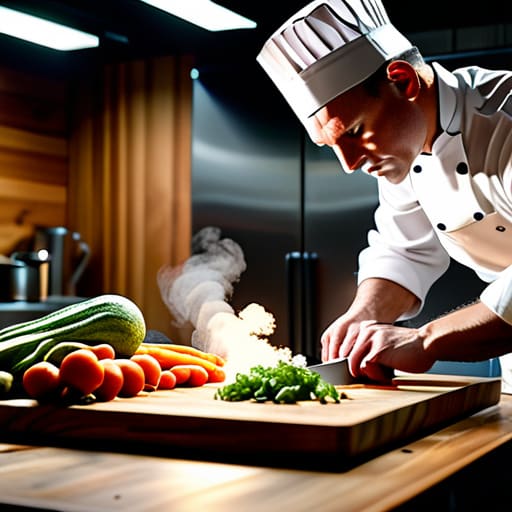
When you’re looking at upgrading your setup, don’t just buy whatever looks sleek in a catalogue; you need fixtures that can actually handle the heat and the steam of a working service. I’ve seen too many budget LEDs fail within three months because they weren’t rated for high-moisture environments, leaving a prep cook squinting at a cutting board in the dark. If you are feeling overwhelmed by the sheer variety of industrial-grade options available, it can be incredibly useful to reach out to local trade networks or even look into meeting people in UK catering and facilities circles to see what they are actually installing. Getting a real-world recommendation from someone who deals with the same grime and high-pressure shifts as you do is worth far more than any glossy brochure.
I’ve spent enough time in school kitchens to know that “general illumination” is a recipe for disaster. You can have a ceiling full of bright lights, but if you’re standing at a prep table with your back to them, you’re working in a shadow. In my experience, that’s when the mistakes happen—the missed cross-contamination on a cutting board or a piece of debris left in a sauce because it was simply too dark to see. This is the fundamental difference between kitchen task lighting vs ambient lighting. Ambient light sets the mood, but task lighting is what actually keeps the food safe.
If you are trying to manage a high-volume service with a skeleton crew, you cannot rely on a single overhead source. You need targeted, high-intensity light exactly where the knife work happens. I always tell managers to look into under cabinet LED lighting for their prep counters. It eliminates those frustrating shadows cast by upper cupboards and ensures that what you see is exactly what you’re getting. It isn’t about aesthetics or making the room look “designer”; it’s about ensuring your staff has the visual clarity required to maintain professional standards when the pressure is on.
Under Cabinet Led Lighting Eliminating Dangerous Shadow Reduction
If you’ve ever worked a lunch service in a school kitchen with overhead fluorescents, you know the frustration: you lean over the prep counter to check the color of a sauce or the freshness of a piece of protein, and your own body casts a massive, dark shadow right over the work area. This is where under cabinet LED lighting becomes more than just a design trend; it’s a fundamental safety control. By placing a continuous strip of light directly under the upper units, you fill in those dark voids. When you can actually see the clarity of a liquid or the texture of a meat product, you aren’t guessing—and in my line of work, guessing is where the HACCP plan falls apart.
I’m not interested in “mood lighting” here. I’m looking for effective shadow reduction in kitchen design that ensures a staff member can spot a stray hair, a bit of debris, or a slight discoloration in a batch of food immediately. When selecting your setup, don’t get distracted by overly decorative fixtures. Focus on high-output, easy-to-clean LEDs that provide a consistent wash of light across the entire work surface. If the light is even and bright, the risk of a visual oversight drops significantly.
Five Practical Lighting Moves for High-Volume Kitchens
- Prioritize color rendering (CRI) over style. If your staff can’t distinguish the subtle difference between a fresh piece of chicken and one that’s starting to turn grey, your lighting has failed you. Look for bulbs with a high Color Rendering Index so what they see is what they actually get.
- Focus on the “danger zones” first. If you have a limited budget, don’t bother with fancy decorative fixtures in the dining area; spend that money on high-output, waterproof LED strips directly above your prep surfaces and your allergen-handling station.
- Go for IP-rated fixtures in wet areas. I’ve seen too many setups where steam from a massive stockpot or a quick wash-down leads to flickering lights or, worse, water ingress. If it’s near a sink or a dishwasher, it needs to be rated for moisture, or you’re just inviting a maintenance headache and a safety risk.
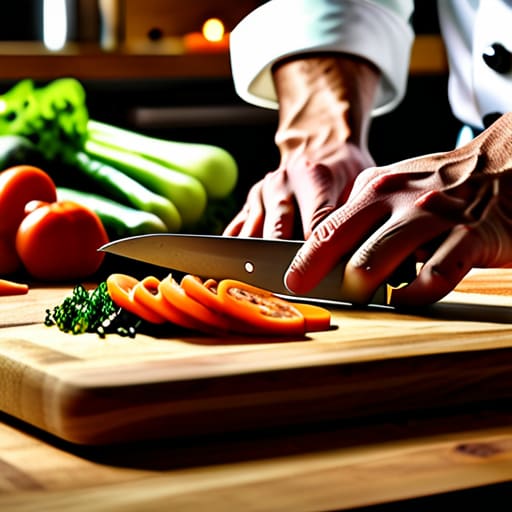
- Eliminate the “shadow trap” at the cutting board. It doesn’t matter how bright your ceiling lights are if the cook’s own body is casting a shadow over the knife work. You need directional task lighting that hits the workspace from the side or above, not just a single central source that leaves the prep area in the dark.
- Keep the switches accessible but protected. In a rush—and in a professional kitchen, it’s always a rush—staff shouldn’t be fumbling for a dimming knob. You want heavy-duty, easy-to-hit switches, ideally located where they can be operated without stepping into a high-traffic walkway or a wet zone.
Lighting is Not a Luxury, It’s a Control Measure
At the end of the day, we aren’t talking about interior design or making a kitchen look “Instagrammable.” We are talking about whether a staff member can clearly see the difference between a slice of cheddar and a slice of something they shouldn’t be touching, or if they can spot a smear of sauce on a cutting board that needs a sanitiser wipe. By prioritising high-quality task lighting over prep stations and using under-cabinet LEDs to kill off those dangerous shadows, you are essentially installing a passive safety control. You are making it harder for mistakes to happen, even when the lunch rush is hitting, the timer is going off, and the team is running on four hours of sleep.
I know the budget is always tight and the “to-do” list is never-ending, but please don’t view lighting as an optional extra. If you can only afford one upgrade this term, make it the visibility in your high-risk zones. When you invest in seeing what you are actually doing, you aren’t just improving efficiency; you are protecting the people eating your food and the people preparing it. A well-lit kitchen is a controlled kitchen, and a controlled kitchen is a safe one. Now, go check your bulbs.