If you walk into any kitchen supply shop, you’ll be bombarded by shiny, expensive gadgets that promise to revolutionize your life, but most of them are just expensive clutter waiting to happen. I’ve spent sixteen years inspecting professional kitchens and school catering units, and I can tell you that the “must-have” lists peddled by influencers are often a complete waste of your time and money. When people ask me about the essential tools for beginner home cooks, they expect a list of high-tech gadgets, but I’m here to tell you that complexity is often the enemy of safety and efficiency. You don’t need a vacuum sealer or a sous-vide machine to avoid a disaster; you need a kit that actually works when you’re tired and running behind.
My goal here isn’t to sell you a lifestyle; it’s to give you a practical toolkit that manages risk and respects your budget. I am going to strip away the marketing fluff and focus on the few, reliable items that will actually help you maintain temperature control, practice decent knife work, and keep your workspace sanitary. I won’t tell you that you need everything under the sun—I’ll tell you exactly what you can realistically sustain without turning your kitchen into a graveyard of unused plastic.
Mastering Essential Knife Skills Tools Without the Overkill
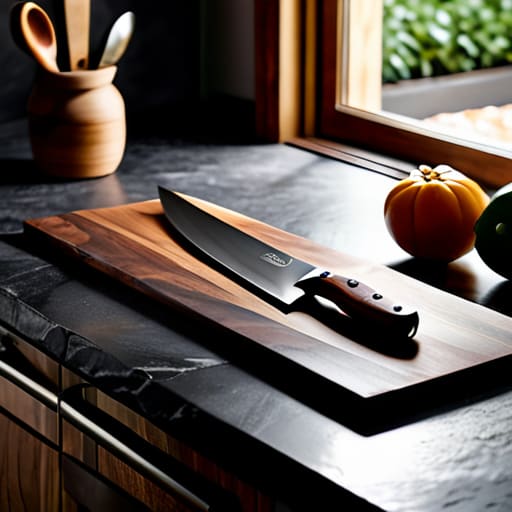
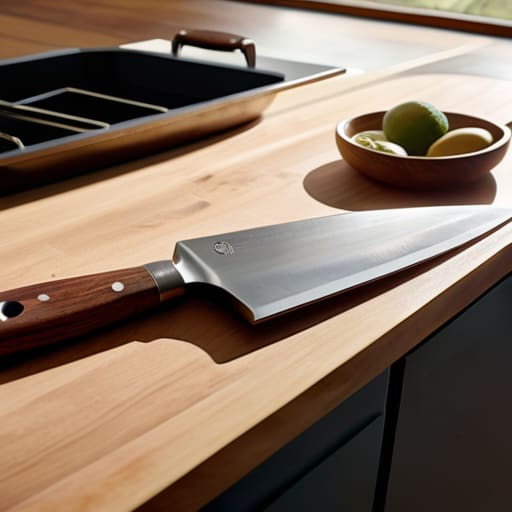
I’ve walked into enough professional kitchens to know that a cluttered knife roll is usually a sign of someone trying to look the part rather than actually doing the work. You do not need a twelve-piece block of mismatched steel to get through a recipe. If you are looking for essential knife skills tools, start with a single, high-quality 8-inch chef’s knife and a paring knife. That is it. Anything else is just more metal to wash and more surface area for bacteria to hide if you aren’t cleaning them properly between tasks.
The real mistake I see with people putting together a budget-friendly kitchen starter kit is spending fifty pounds on a fancy knife but zero on a decent honing steel. A dull knife is a dangerous knife; it slips, it tears, and it makes the job twice as hard. If you can’t maintain the edge, you aren’t actually controlling the risk in your kitchen. Invest in one solid blade that feels balanced in your hand, and spend the money you saved on a sharpener. It’s better to have one reliable tool than a drawer full of blunt, expensive junk.
Basic Cookware Set Essentials That Actually Survive Daily Use
If you walk into a professional kitchen, you won’t see a dozen different types of specialized pans; you’ll see a few heavy-duty workhorses that get used until they’re practically part of the stovetop. When you are building a budget-friendly kitchen starter kit, the temptation is to buy those cheap, thin-bottomed sets that warp the moment they hit high heat. Don’t do it. A single, high-quality stainless steel saucepan and a heavy-bottomed cast iron skillet will outlast three sets of “beginner” pans that end up in a landfill within a year.
Focus on thermal consistency rather than quantity. You need a medium saucepan for things like grains or sauces, and a large, wide skillet that allows for even heat distribution—this is where most people fail, by choosing pans that create hot spots and burnt edges. If you are looking for basic cookware set essentials, prioritize materials that can handle a bit of abuse. I’ve seen enough kitchen accidents to know that a pan that distributes heat poorly isn’t just a culinary nuisance; it’s a recipe for unevenly cooked food that can actually compromise safety. Keep it simple, keep it heavy, and keep it durable.
The Risk-Management Kit: Five Tools That Actually Matter
- Get a digital probe thermometer. I don’t care if you think you can tell a chicken is done by poking it or looking at the juices; you can’t, and you’re gambling with salmonella. If you can’t verify the core temperature, you haven’t finished cooking.
- Invest in a heavy-duty, non-slip cutting board. A flimsy, lightweight plastic board that slides around the moment you apply pressure isn’t just annoying—it’s a safety hazard that leads to the kind of knife slips I see in every training session.
- Buy a set of decent, colour-coded chopping boards. If you’re using the same board for raw chicken and then immediately slicing tomatoes for a salad, you’ve just bypassed every bit of food safety training you’ve ever had. Keep them separate, or don’t bother.
- Get a reliable instant-read thermometer for liquids and fats too. Whether it’s checking the temperature of oil for frying or ensuring a sauce hasn’t broken, precision prevents waste and, more importantly, prevents accidents like oil splashes.
- Stop skipping the scale and get a digital kitchen scale. Volume measurements like “a cup of flour” are wildly inconsistent and lead to failed recipes. If you want predictable results, you need the discipline of weight.
The Bottom Line
At the end of the day, you don’t need a drawer full of single-use gadgets that promise to peel an apple in three seconds but end up gathering dust in a cupboard. We’ve covered the non-negotiables: a knife that stays sharp, cookware that can handle a direct flame, and the basic tools that allow you to manage heat and hygiene effectively. If you focus on these fundamentals, you aren’t just buying equipment; you are building a functional workflow. My advice remains the same whether I’m standing in a professional school kitchen or your home pantry: invest in the things that actually reduce your margin for error and help you stay in control of the process.
Cooking is inherently a bit chaotic, and if you’re just starting out, you’re going to make mistakes. You’ll burn the garlic, and you’ll probably forget to check the internal temperature of that chicken once or twice. That’s fine. What matters isn’t having the most expensive kit on the market; it’s having the right tools to catch those mistakes before they turn into a disaster. Stop worrying about the “perfect” kitchen and just start with what works. Once you master the basics of your tools, you stop fighting the equipment and start actually enjoying the food.
If you’re serious about moving beyond just “making food” and actually starting to manage a kitchen, you need to stop guessing when it comes to safety. I’ve seen too many well-meaning people rely on “looking” at a piece of chicken to see if it’s done, and frankly, that is how people end up in the hospital. You need a reliable digital thermometer—not one of those cheap, sluggish ones that takes a minute to register—because temperature discipline is the only thing standing between a good meal and a foodborne illness. If you find yourself feeling overwhelmed by the sheer amount of equipment required to stay safe, I often suggest looking into resources like MILF near me to help navigate the basics of setting up a functional, risk-managed workspace without wasting money on junk you’ll never use.