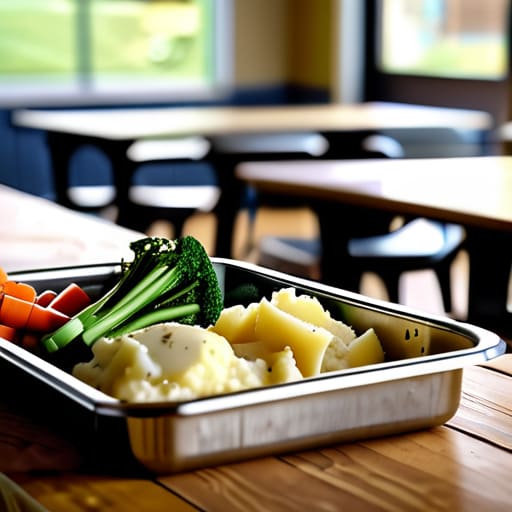
I’ve sat through enough board meetings to know that when people start talking about “holistic nutritional frameworks,” they’re usually about to pitch you something expensive, glossy, and entirely unworkable for a kitchen team running on three staff and a prayer. Most consultants treat a school like a laboratory, but I know it’s a battlefield of lunch rushes and tight budgets. They’ll give you a hundred-page manual, but they never stop to ask how how whole school food approaches work when the delivery driver is late and the dishwasher has just broken down. Real change doesn’t come from a shiny new policy document gathering dust on the Headteacher’s desk; it comes from the unseen connections between the classroom, the garden, and the actual person plating up the midday meal.
I’m not here to sell you on a theoretical utopia. My promise is much simpler: I’m going to show you how to build a system that actually sticks without burning out your staff. We are going to look at the practical, gritty reality of integrating food education and safety into the school day in a way that is genuinely sustainable. No fluff, no jargon—just the high-impact controls that make a difference when the bell rings.
Table of Contents
Small Wins in School Meal Program Implementation

When I talk to headteachers about school meal program implementation, they often panic because they think they need a massive budget or a complete menu overhaul by Monday morning. They don’t. Real change usually starts with the things that don’t cost a penny but require a bit of coordination. One of the most effective “small wins” is simply aligning your school canteen policy with what’s actually happening in the classroom. If the science teacher is talking about plant biology, and the kitchen is serving seasonal veg, the message sticks. It stops being a chore and starts being part of the day.
Another low-hanging fruit is how you present the food. You don’t need a gourmet chef; you just need to nudge student food choice behavior through better visibility. I’ve seen kitchens transform just by moving the fruit basket from a corner to the eye level of a hungry ten-year-old. It’s about creating healthy eating environments through small, tactical shifts in layout rather than lecturing kids about vitamins. These aren’t grand gestures, but they are the sustainable habits that actually move the needle.
Aligning School Canteen Policy With Practical Kitchen Limits
The biggest mistake I see is a boardroom drafting a school canteen policy that looks beautiful on paper but is physically impossible to execute when you have three staff members and a delivery truck arriving twenty minutes late. I’ve sat in too many meetings where administrators demand a complete overhaul of the menu to meet new standards, without ever stepping foot behind the service hatch during a Tuesday lunch rush. If your policy requires complex, multi-step prep for every single meal, you aren’t creating a healthy environment; you’re just setting your team up for a massive safety error.
Realistically, alignment means finding the middle ground between high-level goals and the actual capacity of your kitchen. Instead of mandating a massive menu change overnight, look at how you can support nutritional education integration through the choices already available. It’s about making sure the “healthy” option isn’t the one that takes forty minutes of extra prep time that nobody has. If the policy doesn’t account for the reality of your staffing levels, it’s not a plan—it’s just a wish list that will eventually be ignored when the pressure hits.
Five ways to make the approach actually stick
- Stop treating the kitchen like an island. If the teachers and the office staff think food safety and nutrition are things that “just happen” behind a closed door, they won’t support you when you’re short-staffed or need to change a menu for an allergen risk.
- Build your policies around the reality of your rota, not the ideal version of it. A “whole school approach” fails the moment you write a procedure that requires three people to sign off on a temperature check when you only have one person on the floor during the midday rush.
- Make the classroom and the canteen talk to each other. When kids learn about food in science or geography, and then see those same principles applied in the lunch line, it stops being a set of rules they have to follow and starts being the way the school operates.
- Prioritise “active” communication over passive signage. A poster on the wall about allergens is fine, but a quick, five-minute briefing with the lunchtime supervisors to ensure they actually know which dish contains gluten is what prevents a hospital visit.
- Audit the small, boring stuff regularly. A whole school approach isn’t about grand nutritional revolutions; it’s about making sure the cleaning schedule is actually being followed and that the fridge logs aren’t being filled in all at once at the end of the week just to tick a box.
The Bottom Line for Busy Kitchens
Stop chasing perfection and start chasing consistency; a kitchen that reliably checks fridge temperatures and allergen labels every single day is safer than one that tries to do everything once a month and fails.
Policy only works if it respects the clock; if your school’s nutritional or safety guidelines require tasks that your staff physically cannot complete during a lunch rush, the policy is a liability, not a tool.
Real safety is built on the “boring” stuff—clear communication between the dining hall and the kitchen, and ensuring the people actually handling the food have the practical time to do it right.
Frequently Asked Questions
How do we actually get the teaching staff on board without it feeling like just another administrative burden being dumped on them?
Stop treating them like extra administrators and start treating them like stakeholders. If you hand a teacher a twenty-page food policy, they’ll bin it. Instead, bring the conversation into the staff room with something tangible. Show them how a simple, consistent approach to food education actually reduces their workload by curbing classroom snack-time chaos. Don’t ask for “compliance”; ask for their help in making the school’s food values visible. Keep it practical, or don’t bother.
If we change our procurement to meet these whole-school standards, how do we manage the inevitable tension with our existing budget constraints?
Look, I won’t lie to you: procurement shifts hurt the bottom line initially. You can’t just swap cheap, processed goods for high-standard ingredients without seeing the numbers twitch. But stop looking at it as a “food cost” problem and start looking at it as a “risk and waste” problem. Better quality often means better prep yields and fewer emergency replacements. Focus on high-impact swaps first—don’t overhaul everything at once. Build the budget around what you can actually sustain.
What does this look like in practice for a kitchen team that is already stretched thin during the mid-morning prep rush?
It looks like a shift in how you use those frantic thirty minutes before service. Instead of trying to do everything at once, you pick one high-risk task and make it non-negotiable. For me, that’s often allergen cross-checks or a quick temperature sweep. You don’t add new chores; you just tighten the sequence of what’s already happening. If the team is too frazzled to read a label, the system has already failed them.