I’ve sat in too many school kitchens to listen to another consultant drone on about “zero-waste ecosystems” and expensive, organic-only supply chains that cost more than the entire catering budget. Most of the fluff you read when searching for a complete guide to sustainable school catering is written by people who have never had to serve four hundred hungry kids on a Tuesday morning with a skeleton staff. You don’t need a revolution; you need a way to reduce food waste and manage your sourcing without losing your mind or your margins.
I’m not here to sell you on a lifestyle overhaul that your team will abandon by week three. Instead, I’m going to give you the practical, unvarnished truth about what actually works when you’re working with real constraints. We are going to focus on the high-impact, boring stuff—like tightening your portion controls and getting smarter about seasonal procurement—that actually moves the needle. This is a roadmap for sustainable wins that you can actually maintain when the lunch rush hits.
Table of Contents
Ethical Food Sourcing for Schools Without the Chaos

I know the feeling. You look at a list of “ethical” suppliers and see prices that would make a school budget officer faint, followed by delivery windows that are practically impossible to hit during a lunch rush. Most advice on ethical food sourcing for schools assumes you have a dedicated procurement team and an unlimited budget. You don’t. You have a delivery driver arriving at 7:00 AM and a kitchen team trying to prep three hundred portions before the first bell rings.
Instead of trying to source everything organic or local overnight, start with the high-impact stuff. Focus on seasonal menu planning for students—it’s not just a buzzword; it’s a practical way to lower costs and ensure you aren’t fighting for produce that’s currently out of season and twice the price. If you can’t change your entire supply chain, look at your biggest volume items. Can you switch to a more sustainable brand of milk or a more ethical flour? Small, consistent shifts in your sustainable catering procurement policies are much more effective than a single, expensive “green” week that your staff can’t actually maintain when the midday rush hits.
Seasonal Menu Planning for Students on a Tight Schedule
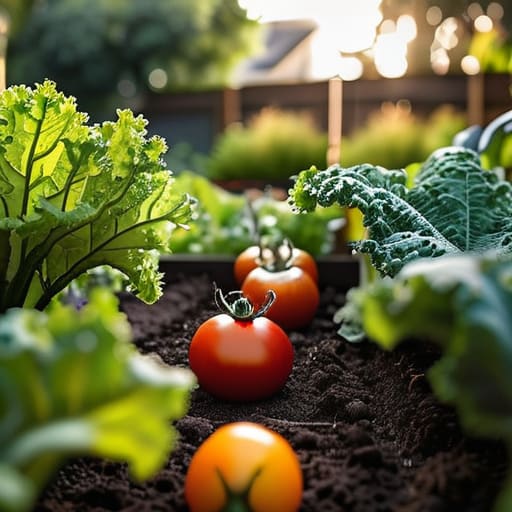
I know exactly how it looks when a menu planner hands you a list of ingredients that aren’t even in season yet. It’s easy to print a glossy sheet with exotic berries in January, but in a real kitchen, that just means you’re paying a premium for produce that’s been flown halfway around the world and has likely spent ten days in a shipping container. If you want to actually lower the carbon footprint of school meals, you have to stop fighting the calendar. Seasonal menu planning for students isn’t about being a gourmet chef; it’s about working with what is abundant, local, and—most importantly—reliable.
When you lean into what’s actually growing nearby, you aren’t just being “green”; you’re making your life easier. Seasonal produce is generally fresher, which means it holds up better during prep and has a longer shelf life in your stores. This is one of the most effective ways of reducing food waste in education because you aren’t constantly fighting against wilted, out-of-season veg that ends up in the bin before the lunch bell even rings. Stop trying to source the impossible and start building your recipes around what the local suppliers are actually delivering.
Five Ways to Cut Waste Without Burning Out Your Team
- Audit your bin, not just your budget. Before you start buying fancy organic produce, spend one week actually looking at what’s being thrown away. If you’re tossing half your prep because the vegetable deliveries are inconsistent, no amount of “ethical sourcing” will fix that. You need to match your order volumes to your actual waste patterns first.
- Master the art of “repurposing” safely. I’ve seen kitchens do this brilliantly—turning leftover roasted vegetables into a soup base for the next day or using overripe fruit for breakfast muffins. The key isn’t just being clever; it’s the temperature discipline. If you’re repurposing, your cooling and reheating logs need to be airtight. No shortcuts.
- Simplify your inventory to reduce spoilage. When you’re running a school kitchen, a massive, complex pantry is just a graveyard for expired ingredients. Stick to a tighter, more versatile list of staples. It’s much easier to manage food safety and reduce waste when you aren’t hunting through twenty different half-empty bags of obscure grains.
- Standardise your portion control. It sounds like one of those “box-ticking” exercises, but it’s actually a massive sustainability win. If every server is eyeballing portions, you’ll have massive amounts of perfectly good food left on plates every single day. Use consistent scoops and ladles; it keeps the kids fed and the waste bin empty.
- Stop the “all-or-nothing” approach to composting. If your staff is already struggling to keep up with a midday rush, asking them to manage a complex three-stage composting system is a recipe for failure. Start small: get the right bins in place, label them clearly so there’s no confusion during the rush, and make it a part of the standard cleaning sequence.
What You Actually Need to Focus On
Don’t chase every single “green” trend at once; pick one area—like reducing food waste or sourcing one local ingredient—and get it consistent before you add anything else.
Sustainability only works if it’s safe, so never let a “local” or “seasonal” ingredient bypass your standard allergen checks and temperature logs.
If a new sustainable practice makes your kitchen staff’s job impossible during a lunch rush, it isn’t a solution, it’s a risk—keep your controls practical enough to actually follow.
Frequently Asked Questions
How do I balance the higher cost of local, sustainable ingredients with a school's fixed meal budget without cutting portion sizes?
You can’t outspend a fixed budget, so stop trying to swap every ingredient for an organic, local version. That’s how you end up with tiny portions and hungry kids. Instead, focus on the “anchor” ingredients. Use your budget for high-impact local items—like seasonal veg or better quality meat—but lean on cheaper, bulk staples like grains and legumes to bulk out the meals. It’s about strategic substitution, not a total overhaul.
If we switch to more plant-based or seasonal menus, how do I ensure my kitchen staff are still managing allergen risks effectively during the transition?
When you swap a meat-based dish for a plant-based one, you aren’t just changing a recipe; you’re introducing new heavy hitters like soy, nuts, or gluten. Don’t just update the menu; update the allergen matrix immediately. I’ve seen too many “simple” swaps go wrong because the chef assumed the new lentil base was safe, forgetting the cross-contamination risk during prep. Brief the team on the new risks before the first service. Keep it simple: new ingredients, new labels, new briefing.
What are the most practical ways to reduce food waste in a high-volume kitchen when we're already short-staffed and running behind schedule?
Stop trying to implement fancy composting systems if your team hasn’t even got time to clear the prep stations. Real waste reduction starts with the “boring” stuff: accurate production sheets and better portion control. If you’re consistently throwing away half a tray of mash, your portion sizes are wrong or your prep numbers are guesswork. Focus on tightening those two things first. It’s easier to manage what you don’t cook than to fix a mess after it’s been binned.