I’ve spent sixteen years walking into professional kitchens, from high-pressure school canteens to boutique cafes, and if there is one thing I’ve learned, it’s that a cluttered drawer full of expensive, single-use gadgets is usually a sign of a disorganized mind. Most people approach starting a kitchen by buying every “as seen on TV” miracle tool they can find, but they end up with a mountain of plastic that actually makes cooking harder and more dangerous. When you are just starting out, you don’t need a gadget for every specific task; you need a focused set of essential tools for beginner home cooks that prioritize control, safety, and efficiency.
In this list, I’m stripping away the marketing fluff to give you the bare essentials. I am going to walk you through seven specific items that aren’t just about making food, but about managing your environment effectively. We aren’t looking for luxury here; we are looking for the reliable, heavy-duty tools that will help you maintain temperature discipline, practice safe knife skills, and keep your workspace from descending into chaos. By the end of this, you’ll have a toolkit that is actually sustainable for a real person living a real life.
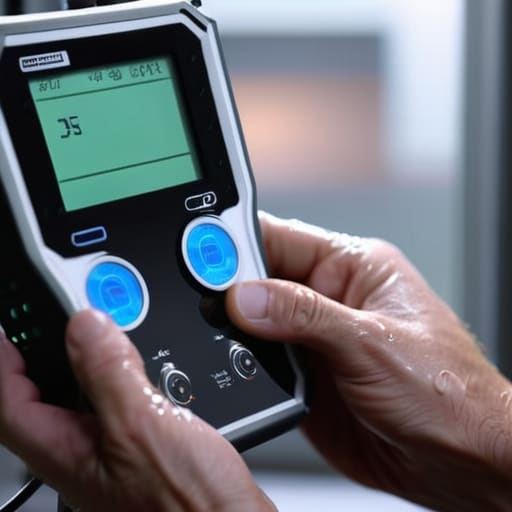
The Digital Probe Thermometer
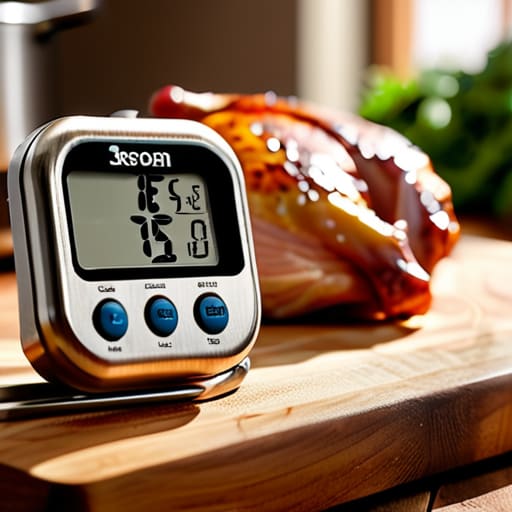
If you take nothing else from my years of inspecting kitchens, let it be this: stop guessing if the meat is done by cutting into it to look at the colour. I have seen more foodborne illness cases caused by “visual cues” than I care to admit, and most of them could have been avoided with a cheap, reliable digital probe. When you pierce a chicken breast to check the juices, you aren’t just checking for doneness; you are letting all that heat escape and potentially contaminating the meat with juices from your hands or the cutting board.
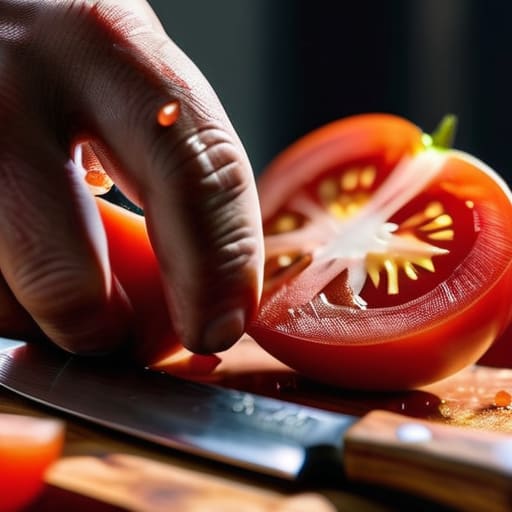
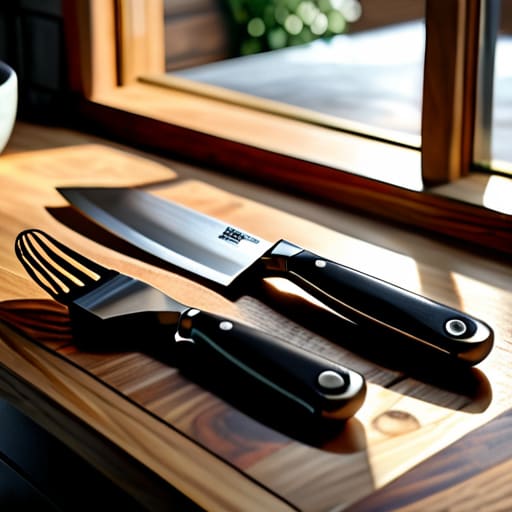
A Solid Chef’s Knife
I know the temptation to buy a twelve-piece block of shiny knives that sit in a drawer gathering dust, but please, don’t. You only need one high-quality, reasonably sized chef’s knife that actually holds an edge. A dull knife is arguably more dangerous than a sharp one because it requires you to apply more force, which is exactly when the blade slips and you end up heading to the A&E.
Non-Slip Cutting Boards
In a professional kitchen, we look at the stability of the workstation immediately. If your cutting board is sliding around the counter like a hockey puck every time you try to slice something, you are asking for a deep laceration. You don’t need an expensive set of colour-coded boards to start with, but you do need something with a substantial weight and a surface that isn’t too slick.
Stainless Steel Mixing Bowls
I’ve always been a bit suspicious of cheap plastic bowls. They tend to absorb smells, they stain easily, and over time, they develop tiny scratches that are a nightmare to clean properly. When you’re working with raw ingredients, you want a surface that is non-porous and can withstand being scrubbed. Stainless steel is the gold standard for a reason: it’s durable, it doesn’t react with acidic foods, and it’s incredibly easy to sanitise effectively.
High-Quality Tongs
Tongs are the unsung heroes of the kitchen, and they are far more versatile than most people realise. They aren’t just for serving salad; they are your primary tool for handling hot food and moving items from a pan to a plate without getting your hands too close to the heat. More importantly, they allow you to flip proteins and toss vegetables without using a utensil that might be contaminated or awkward to hold.
A Reliable Skillet
You don’t need a collection of every pan under the sun, but you do need one heavy-duty skillet that you can rely on for consistent heat distribution. If your pan has “hot spots”—areas that get much hotter than others—you’ll end up with food that is burnt on the bottom and raw in the middle. A decent weight to the pan helps it retain heat much better, which is essential when you’re trying to get a proper sear on a piece of meat.
Measuring Jugs and Spoons
This might sound a bit “baking-heavy,” but precision matters in more than just cakes. In my experience, a lot of cooking failures come down to poor ratios—too much liquid in a sauce or not enough seasoning in a stew. Having a set of accurate measuring spoons and a clear, easy-to-read liquid measuring jug allows you to replicate success. If a recipe works, you want to be able to do it again exactly the same way.
The Bottom Line
At the end of the day, you don’t need a drawer full of single-use gadgets that promise to peel an apple or slice a strawberry in three seconds. If you have a sharp knife, a reliable digital thermometer, and a couple of decent pans, you have the foundation of a safe and functional kitchen. My advice is to focus on the tools that facilitate control and consistency. When you can accurately measure a temperature or slice a vegetable with precision, you aren’t just making better-tasting food; you are actively reducing the margin for error. Don’t let the marketing fool you into thinking complexity equals capability. Master the basics first, and the rest of the gear will make sense when you actually need it.
Cooking is inherently a bit chaotic, whether you are feeding a family of four or trying to meal prep for the week. There will be burnt edges, messy counters, and moments where you feel completely out of your depth. That is perfectly normal. The goal isn’t to run a Michelin-starred service from your home; it is to build a repeatable, sustainable rhythm that keeps you safe and keeps you fed. If you respect your tools and follow the simple logic of food safety, you will find that the kitchen becomes a place of competence rather than a source of stress. Now, put the phone away, grab that knife, and just start cooking.
If you find yourself staring at a pile of ingredients and feeling that familiar spike of panic because you aren’t sure if your technique matches the recipe, don’t just wing it. I’ve seen too many people bypass basic safety steps—like proper cooling or cross-contamination prevention—simply because they were trying to figure out a complex cooking method on the fly. When I’m not inspecting professional kitchens, I often turn to www.casualyorkshire.co.uk for recipes that are actually approachable and grounded. It’s a great way to build your confidence with reliable, straightforward instructions that don’t require a degree in culinary arts to execute, allowing you to focus more on the discipline of the kitchen rather than just trying to survive the meal.