I’ve spent sixteen years walking into kitchens where the air is thick with the smell of industrial degreaser and the frantic energy of a lunch service about to go off the rails. I’ve seen managers clutching massive, expensive manuals like they’re holy relics, convinced that a “complete guide to kitchen health and safety” means having a hundred-page binder that no one actually reads. Let me tell you something: most of those guides are written by people who have never had to serve four hundred school meals with only three staff members on a Tuesday morning. They focus on the fluff—the kind of box-ticking exercises that look good during an inspection but do absolutely nothing to stop a child from having an allergic reaction.
I’m not here to give you a lecture or a list of impossible ideals that will only make you feel guilty when you inevitably fall behind. Instead, I’m going to give you the unvarnished truth about where your actual risks live. We are going to focus on the high-impact, boring-but-vital controls that actually keep people safe—the things you can realistically sustain when the pressure is on and the kitchen is screaming.
Table of Contents
Prioritizing Cross Contamination Prevention When Time Is Tight

When the lunch rush hits and you’ve got three prep cooks running around trying to get two hundred plates out the door, the first thing to go is often the mental discipline of separation. I’ve seen it a thousand times: a single cutting board used for raw chicken and then quickly wiped—not washed—for salad prep because “we haven’t got time for a full scrub.” That is exactly how people end up in the hospital. If you are drowning in prep, you cannot skip cross-contamination prevention, but you can make it smarter. Stop trying to juggle twenty different tasks and focus on the high-risk zones.
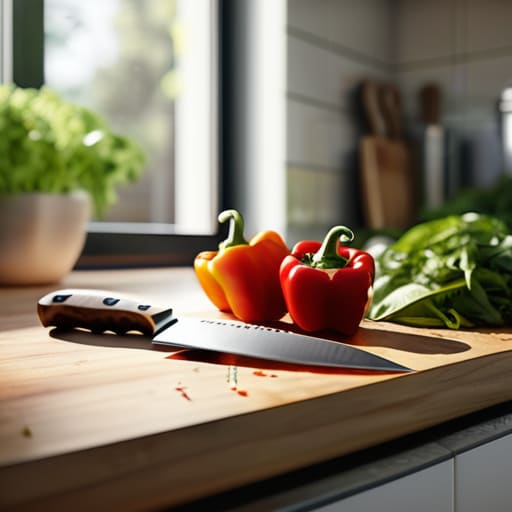
If you’re working with a skeleton crew, your best defense isn’t a complex system; it’s strict color-coding and dedicated stations. Don’t let your staff “make do” with whatever knife is closest. Implementing basic safe knife handling techniques and ensuring that raw proteins never touch a surface used for ready-to-eat food is non-negotiable. If you can’t manage a perfect flow, at least manage the separation. It is better to slow down for thirty seconds to grab the right equipment than to spend your afternoon dealing with an outbreak or a formal investigation.
Maintaining Food Hygiene Standards Without Burning Out
Let’s be honest: if I tell a kitchen manager to “maintain perfection” during a Monday lunch rush, I’m not being helpful, I’m being delusional. When you are running on caffeine and a skeleton crew, trying to follow every single line of a massive manual is a recipe for a breakdown. Instead of chasing every minor detail, you have to identify your non-negotiables. This means focusing on the high-impact habits that actually stop people from getting sick or hurt, rather than obsessing over whether the spice rack is perfectly alphabetized.
I’ve seen too many good teams fail because they tried to do everything at once and ended up doing nothing well. To keep your food hygiene standards from slipping when the pressure is on, you need to build rhythm into your cleaning. Don’t wait for a massive end-of-shift scrub that no one has the energy for; focus on “clean as you go” and strict temperature discipline. If you can’t do a deep clean of the dry store today, fine—but don’t you dare let the handwashing station become a dumping ground for dirty cloths. Focus on the basics, stay consistent, and you’ll avoid the chaos.
The Three Pillars (And One Paperwork Trap) You Can’t Afford to Ignore
- Master your temperature logs before you touch a thermometer. I’ve seen kitchens with pristine stainless steel surfaces fail an inspection because they couldn’t prove their fridge stayed below 5°C overnight. If the paperwork isn’t there, as far as the law is concerned, the safety check never happened. Make it a habit, not a chore.
- Stop treating allergen communication like an afterthought. In a school setting, a “close enough” approach to ingredient labelling isn’t just a mistake; it’s a crisis waiting to happen. If you change a brand of pasta sauce because the old one was out of stock, that new label needs to be checked against your allergy matrix immediately. No exceptions.
- Focus your cleaning on high-touch, high-risk zones. You don’t need to deep-clean the ceiling every shift, but if the prep surfaces and the handles of the fridge aren’t being sanitised between tasks, you’re just moving bacteria around. Prioritise the sequence: clean as you go, then a proper sanitisation of the “hot zones” at the end of service.
- Get real about your staff’s handwashing. I don’t care how many posters you have on the wall; if your team is skipping the sink because they’re rushing to get 200 lunches out the door, your safety system has collapsed. It’s the most basic, boring, and vital control you have.
- Don’t let “good enough” become your standard for storage. Raw meat goes on the bottom shelf, every single time. I’ve walked into kitchens where a leaking pack of chicken was dripping onto a tray of salad, and that’s how you end up with an outbreak. It takes five seconds to check the shelf order, but it saves you a lifetime of headaches.
The Bottom Line: What Actually Keeps the Kitchen Safe
Stop chasing perfection in the paperwork and start mastering the high-stakes basics: temperature logs, allergen separation, and hand hygiene. If you can’t do everything, do these three things every single time without fail.
Safety isn’t about a spotless floor; it’s about the invisible risks. You can have a gleaming kitchen and still cause an incident if your cross-contamination controls are slipping because you’re rushing to meet a service deadline.
Build a system that works for your actual staff, not the version of them that exists in a training manual. If a safety protocol is too complex for a busy Tuesday lunch rush, it isn’t a protocol—it’s a fantasy that will eventually break.
Frequently Asked Questions
If we're already struggling to keep up with cleaning, which specific high-risk areas should we prioritize so we aren't just moving dirt around?
If you’re drowning, stop trying to make the whole kitchen sparkle and focus on the “kill zones.” Prioritize your high-touch surfaces and the equipment that handles ready-to-eat food. I’m talking about prep boards, slicing machines, and the handles of your reach-in fridges. If you’ve only got ten minutes, don’t waste them on the floor; spend them on the surfaces where bacteria actually jump from raw to cooked. Control the contact points, and you control the risk.
How do I handle staff who are technically competent but keep "forgetting" to update the temperature logs when the lunch rush hits?
It’s never about competence; it’s about the friction of the moment. When the lunch rush hits, the log feels like a chore, not a tool. Stop treating it like a disciplinary issue and start treating it like a workflow problem. If they’re “forgetting,” the log is likely in the wrong place or too hard to access when they’re mid-service. Move the clipboard to the point of action, or better yet, make the check part of the prep sequence.
When we have a sudden shortage of staff, what are the absolute non-negotiables we can drop without actually compromising the safety of the food?
Listen, I’m not going to tell you to keep doing everything. If you’re down two chefs, you have to triage. You can drop the deep-clean of the non-food contact surfaces or the fancy decorative garnishing, but you never, ever drop the “Big Three”: temperature logs, allergen separation, and hand hygiene. If the fridge isn’t logged or the staff aren’t washing hands, you aren’t just “short-staffed”—you’re a liability. Stick to the core controls.