I’ve sat in too many cramped, humid school kitchens to believe that a “complete guide to allergen management” needs to be a fifty-page binder of legal jargon that nobody actually reads. Most of these manuals are written by people who have never had to manage a lunchtime rush with two staff members short and a tray of spilled flour on the floor. They tell you to implement “robust cross-contamination barriers,” but they don’t tell you how to do that when you’re sharing the same prep table for a hundred different meals. If your safety plan requires a PhD and a dedicated compliance officer to execute, it is going to fail the moment the bell rings for lunch.
I’m not here to sell you on perfection or expensive new equipment you don’t have the budget for. Instead, I want to give you the practical, unvarnished truth about what actually keeps a child safe when things get chaotic. We are going to focus on the boring, high-impact habits—the specific ways you communicate changes in ingredients and the precise cleaning sequences that actually work. My goal is to help you build a system that is actually sustainable during your busiest service, because a plan that works on paper but breaks in practice is just a liability waiting to happen.
Table of Contents
Risk Assessment in Food Service Without the Fluff
When I walk into a kitchen, I don’t want to see a thirty-page binder of theoretical risks that no one has actually read. Most of those documents are just wallpaper. A real risk assessment in food service isn’t about predicting every possible catastrophe; it’s about identifying the three or four places where your staff is most likely to slip up when the lunch rush hits and the tickets start piling up.
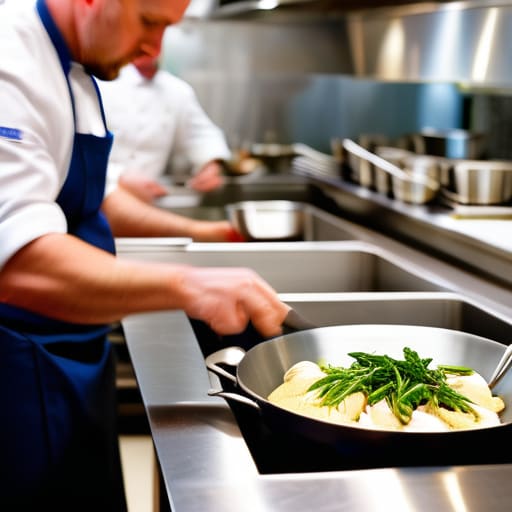
You need to look at your workflow, not your handbook. Where is the milk being poured? Where are the flour bags being opened? If your prep area for allergen-free meals is right next to the station where you’re cracking eggs for a massive batch of pasta, you don’t have a paperwork problem—you have a cross-contamination prevention problem.
Stop trying to map out every single microscopic variable. Instead, focus on the high-traffic zones. If you can’t guarantee that a spatula used for peanut butter won’t end up in the school’s porridge, then your food safety protocols are failing, no matter how many signatures you have on your training logs. Focus on the physical reality of your counters and your cupboards.
Making Allergen Labeling Regulations Work for Busy Staff
Here is the reality: if your allergen labeling system relies on a chef remembering every single sub-ingredient while they are mid-rush, you have already failed. I have seen too many “perfect” systems crumble the moment a delivery driver swaps a brand of mayonnaise or a supplier changes a spice mix without notice. You cannot rely on memory; you have to rely on a process that is too simple to forget.
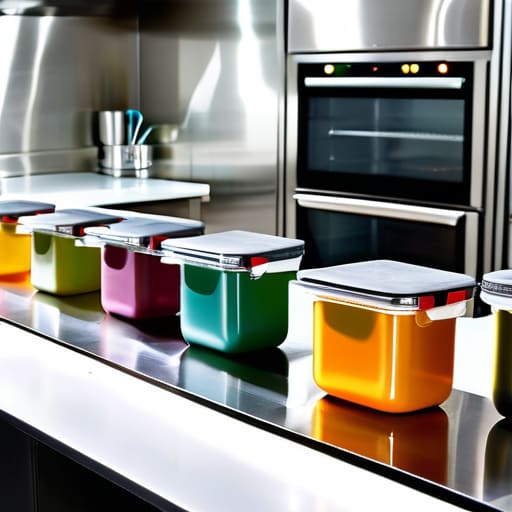
Instead of massive, intimidating binders, I want to see clear, visual cues. If you are dealing with allergen labeling regulations, don’t just bury the info in a manual. Use color-coded stickers on prep containers or a dedicated “allergen station” where the updated spec sheets live. It’s about making the right information the easiest thing to grab.
Most importantly, your staff training for allergens shouldn’t be a once-a-year lecture that everyone sleeps through. It needs to be a five-minute huddle before the service starts. Ask them: “What changed in the pantry today?” If they can’t answer, your labeling system isn’t working. Focus on the transfer of information, not just the paperwork.
Five Practical Ways to Stop Cross-Contamination Before It Starts
- Stop relying on memory. In a kitchen serving hundreds, “I thought I used the clean spatula” is how people end up in the hospital. If you have a specific allergen, it needs its own dedicated, colour-coded kit—or at least a very specific, labelled spot in the drawer—that stays separate from the general prep tools.
- The “Double-Check” isn’t just for the cook; it’s for the server. I’ve seen perfectly prepared allergen-free meals ruined because the person handing the tray to the student didn’t actually check the ticket against the plate. Make it a rule: you don’t hand over the meal until you’ve visually confirmed the allergen-free protocol was followed.
- Manage your storage like your life depends on it, because for a child with an anaphylactic allergy, it does. Never, ever store flour, nuts, or dried milk on shelves above open ingredients. If a bag leaks or a scoop spills, you’ve just contaminated your entire dry store, and that is a nightmare you don’t want to clean up.
- Clean in a sequence that makes sense. You wouldn’t mop a floor and then start chopping veg on a dirty bench, so don’t do it with allergens. Always prep your “safe” or allergen-free items first, using cleaned equipment, before you even touch the high-risk ingredients like peanut butter or wheat.
- Get your staff to actually read the labels, not just the big font. Manufacturers change recipes constantly. A brand of bread that was safe last Tuesday might have a “may contain” warning on Wednesday. If your team isn’t checking the ingredients list every single time a new delivery comes in, your system is broken.
The Bottom Line: What Actually Matters When the Rush Hits
Stop trying to build a perfect system that collapses the moment a staff member calls in sick; instead, pick the three non-negotiable checks—like dedicated prep utensils and clear ingredient lists—that you can realistically maintain even on your worst day.
Paperwork is useless if it’s just a box-ticking exercise done at the end of a shift; if your allergen logs don’t reflect the reality of what’s actually happening on the line, they aren’t protecting anyone, including you.
Communication isn’t a “soft skill,” it’s a safety control; the gap between what the chef thinks is in a sauce and what the server tells the student is where the danger lives, so close that gap with verbal double-checks, not just fancy labels.
Frequently Asked Questions
What do I actually do when a supplier changes an ingredient mid-term without telling me?
This is exactly how the nightmare starts. When a supplier swaps a brand without a heads-up, your entire allergen matrix becomes a lie. First, stop the line on that product immediately. Don’t guess; don’t “assume it’s the same.” Get the new spec sheet from the supplier right now. Once you’ve identified the new risk, update your allergen signage and brief your team before the next service. If they can’t notify you of changes, find a new supplier.
How can I ensure my staff actually follow the allergen protocols when they're under pressure during a rush?
When the lunch rush hits and the tickets are piling up, your protocols are the first thing to go out the window. You can’t expect staff to remember a twenty-page manual while they’re sweating over a stove. Instead, simplify. Use colour-coded boards, dedicated prep areas, or even just a “stop and check” rule for every allergen-sensitive order. If the system is too complex to follow when things get loud, it isn’t a system—it’s just paperwork.
If I can't afford a dedicated allergen-free prep area, what's the most effective way to prevent cross-contact?
If you can’t afford a separate room, stop trying to make it happen and focus on the sequence. You need a “safe window.” This means prepping allergen-free meals first thing in the morning, after the kitchen has been deep-cleaned but before any high-risk ingredients—like flour or peanut butter—are even opened. Use dedicated, colour-coded equipment that stays in a sealed container, and if you’re short-staffed, that’s the one time you don’t multitask.