I’ve sat in too many cramped, steaming kitchens during the lunch rush to believe the nonsense that you need a massive budget or a PhD in microbiology to keep your students safe. Most of the training manuals I see are filled with high-flown jargon that makes it sound like how salmonella is controlled requires a laboratory-grade overhaul of your entire operation. But I’ve seen it happen time and again: a kitchen can have the most expensive, shiny new equipment in the county, yet still fail because someone skipped a simple hand-wash or left a tray of chicken sitting on a prep table for twenty minutes too long. It isn’t about the fancy tech; it’s about the boring, repetitive habits that actually stop bacteria in its tracks.
I’m not here to give you a lecture or a checklist that you’ll just end up tucking into a drawer. Instead, I’m going to tell you exactly which controls actually move the needle when you are short-staffed and under pressure. We are going to focus on the practical, sustainable steps—the temperature discipline and the cleaning sequences—that keep the risk low without breaking your spirit or your budget.
Table of Contents
Salmonella Prevention in Poultry Through Relentless Temperature Discipline
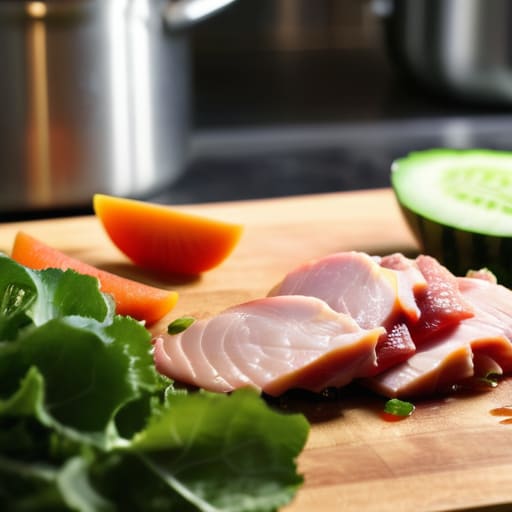
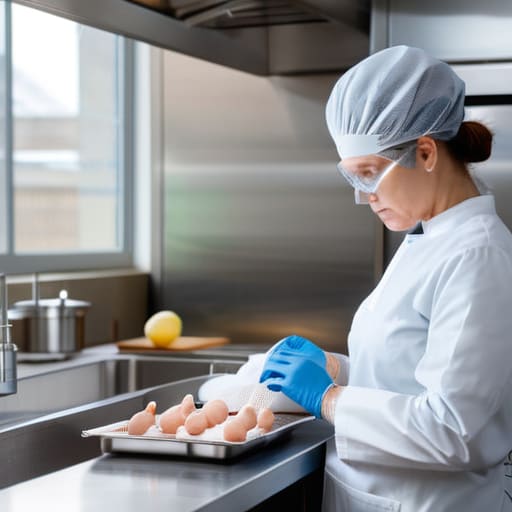
When I walk into a kitchen and see a tray of raw chicken sitting on a prep table while someone is busy chopping salad, my stomach drops. It isn’t just a messy habit; it’s a direct failure of preventing cross-contamination. Salmonella lives in the juices of raw poultry, and if those juices touch a cutting board that hasn’t been properly sanitized, you’ve already lost the battle. You can have the most expensive food safety protocols in the world, but they mean nothing if the team doesn’t respect the physical separation of raw and ready-to-eat foods.
The second half of the battle is heat. I tell my trainees all the time: a thermometer is not a suggestion, it is your only source of truth. You cannot “eyeball” whether a chicken breast is safe. To ensure effective salmonella prevention in poultry, you must hit those proper internal cooking temperatures—specifically 75°C for at least 30 seconds. I’ve seen too many cooks pull meat out because it “looks done,” only to find the center is still a lukewarm danger zone. If you aren’t checking the core temperature, you aren’t cooking; you’re just gambling.
The Quiet Math of Bacterial Growth Inhibition
We often talk about salmonella as if it’s an intruder that suddenly breaks in, but in reality, it’s more like a slow-motion explosion. Bacteria don’t wait for a crisis; they follow a predictable, mathematical curve. If you leave a tray of raw chicken sitting on a prep table during a hectic lunch service, you aren’t just “leaving food out”—you are actively providing the perfect incubator. The math of bacterial growth inhibition isn’t about magic; it’s about keeping that curve flat by denying the bacteria the time and temperature they need to multiply.
This is where the “boring” stuff becomes your best friend. It isn’t enough to just have a policy sitting in a folder; you need to manage the clock. If your team is jumping between raw poultry and salad prep without a strict sequence, you’re essentially doing the bacteria’s work for them. Preventing cross-contamination isn’t a grand gesture; it’s the discipline of keeping the raw stuff isolated and the cold stuff chilled until the very second it hits the pan. It’s about managing the gaps in your workflow so the numbers don’t start working against you.
Where the real risk hides (and how to pin it down)
- Stop treating cross-contamination like a suggestion; if your prep team is using the same board for raw chicken and then immediately slicing salad without a full wash-rinse-sanitise cycle, your temperature discipline doesn’t mean a damn thing.
- Watch the “danger zone” during service, not just during prep—I’ve seen too many kitchens nail the cooking temp but then let a tray of cooked chicken sit on a warm counter for forty minutes while they juggle a lunch rush.
- Make your cleaning sequence non-negotiable, meaning you clean from the cleanest areas to the dirtiest and top to bottom, so you aren’t just moving salmonella from the prep table onto the clean serving utensils.
- Check your handwashing stations as often as you check your fridge; if the soap is empty or the towels are damp and grey, your staff aren’t actually sanitising, they’re just moving bacteria around.
- Trust your eyes more than your paperwork—if the fridge log says 3°C but the milk feels lukewarm, stop writing in the book and start fixing the unit, because a perfect paper trail won’t stop a child from getting sick.
The reality check: What actually keeps salmonella at bay
Stop treating temperature logs like a chore and start treating them like your only shield; if you aren’t checking the fridge and the cooking core temps consistently, you aren’t managing risk, you’re just guessing.
Focus your energy on the “boring” stuff—it’s not the fancy new sanitiser that saves you, it’s the disciplined cleaning sequence and the refusal to let a busy lunch service become an excuse for cross-contamination.
Accept your limits: You can’t fix a broken system with more paperwork, so pick the three most critical control points your staff can actually sustain during a rush, and make sure those are non-negotiable.
Frequently Asked Questions
We're watching the temperatures, but how do I know if my cleaning chemicals are actually killing the bacteria or just moving it around?
It’s a fair question, and honestly, it’s where most kitchens trip up. You can spray all the blue liquid you want, but if you aren’t following a sequence, you’re just painting the bacteria into the cracks. You need to stop thinking about “spraying” and start thinking about contact time. If that chemical doesn’t sit on the surface for the minutes specified on the label, it isn’t killing anything; it’s just making the mess look shiny.
If we’re running a tight kitchen with minimal staff, what are the absolute non-negotiables for preventing cross-contamination during a lunch rush?
When the lunch rush hits and you’re short-staffed, forget the fancy color-coded systems if they’re just slowing you down. Focus on the non-negotiables: dedicated prep areas for high-risk items and, most importantly, hand hygiene that isn’t just a suggestion. If you can only do three things, make them this: separate your raw and ready-to-eat tools, keep your allergen-free prep isolated, and ensure your team washes their hands every single time they switch tasks.
My team is already exhausted by paperwork—is there a way to monitor these risks without adding another hour of logging to their shift?
I hear you. If the paperwork feels like a mountain, your team will start cutting corners, and that’s exactly when things go wrong. Stop trying to log every single thing. Focus on “critical control points”—the three or four moments where a mistake actually matters. If your fridge is stable and your poultry is hitting the right temp, you don’t need a novel; you need a quick, honest check. Aim for meaningful data, not a paper trail for its own sake.