I once walked into a secondary school kitchen at 11:00 AM, right in the thick of the lunch rush, and found a tray of frozen chicken breasts sitting in a sink of lukewarm water. The chef looked at me like I was the one being unreasonable, insisting they’d be “fine” once they hit the pan. It’s that exact brand of dangerous optimism that keeps me up at night. There is a massive difference between what looks convenient in a frantic kitchen and knowing exactly how frozen food should be defrosted to keep your students safe. We don’t have the luxury of “guessing” when we’re serving four hundred hungry kids on a tight schedule.
I’m not here to give you a lecture from a textbook or a list of expensive gadgets you don’t need. Instead, I’m going to give you the practical hierarchy of thawing—the methods that actually work when you’re short-staffed and running behind. We’ll talk about the fridge method, the cold water reality check, and when it is actually acceptable to use the microwave. I’ll tell you what is genuinely sustainable for a busy team and where you absolutely cannot afford to cut corners.
Table of Contents
Prioritizing Safe Thawing Methods for Meat Under Pressure
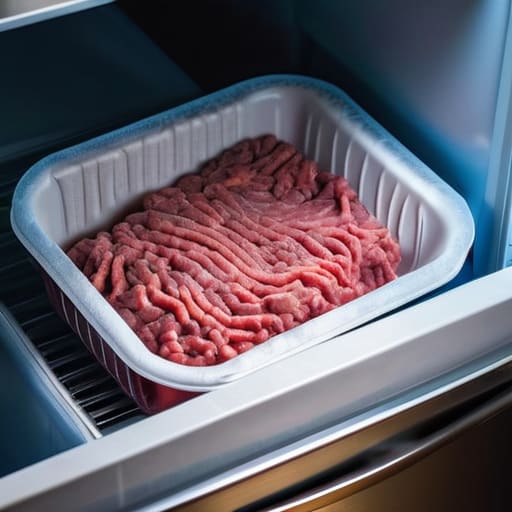
When you’re staring down a delivery of frozen mince and a lunch service that starts in three hours, the temptation to leave that block on the counter is massive. I’ve seen it a hundred times. But here is the reality: leaving meat at room temperature is a gamble where the house always wins. You aren’t just thawing meat; you are creating a perfect, lukewarm incubator for pathogens. If you want to talk about preventing bacterial growth during defrosting, you have to respect the thermal boundary.
If you have the foresight, the fridge is your best friend. It’s slow, yes, but it is the only way to ensure the core of that protein stays out of the danger zone. However, I know that “foresight” often vanishes when a staff member calls in sick. In those moments, use the cold water thawing technique. Keep the meat in its airtight, leak-proof packaging and submerge it in running water. It’s faster than the fridge but keeps the temperature stable. Just make sure you aren’t preventing cross-contamination by letting that bloody water splash onto your prep surfaces. If you’re forced to use the microwave, do it immediately before cooking; it’s a tool for speed, not a way to let food sit around waiting for a chef.
Food Safety Temperature Guidelines for High Volume Kitchens
When I’m standing in a school kitchen during the midday rush, I’m not looking for a textbook answer; I’m looking for evidence of temperature discipline. If you are working with high volumes, you cannot afford to guess. The golden rule is simple, even if it’s hard to maintain when the delivery truck is late: keep the food out of the “Danger Zone.” For anyone managing large batches, following strict food safety temperature guidelines means ensuring that the surface of your protein doesn’t climb above 5°C while the core is still a block of ice.
If you find yourselves forced into a cold water thawing technique because of a planning error, you have to be vigilant. It isn’t enough to just submerge the bag; you need to ensure the water is running or being changed constantly to prevent heat buildup. If the water sits still, you aren’t defrosting; you’re just creating a lukewarm bath that invites trouble. My advice? If you can’t guarantee the temperature stays consistent, don’t try to rush it. Controlled, slow thawing is always safer than a panicked, high-speed mistake.
The Five Non-Negotiables: Practical Defrosting for Busy Kitchens
- Stop the counter-top thaw. I know it’s tempting when the delivery is late and the lunch rush is looming, but leaving meat out to defrost at room temperature is an invitation for bacteria to hit the danger zone before you’ve even picked up a knife. If it’s not in the fridge, it’s not safe.
- Plan your prep twenty-four hours ahead. This is where the “boring” stuff saves your skin. If you know you need forty portions of chicken for tomorrow’s midday service, that tray needs to be in the fridge tonight. You cannot manage a kitchen effectively if you are constantly playing catch-up with temperature control.
- Use the cold water method only as a last resort, and do it right. If you absolutely have to speed things up, keep the food in a leak-proof, airtight bag and submerge it in running cold water. Never use warm water—it’s a shortcut that cooks the outside of the food while the middle is still a block of ice, creating a breeding ground for pathogens.
- Manage your drip trays like your life depends on it. When you move frozen protein to the fridge, it must be on a tray, and it must be on the bottom shelf. I have seen too many kitchens where raw meat juices from a defrosting tray have dripped onto a salad or a prepped vegetable below. That is a preventable cross-contamination disaster.
- Don’t cook from frozen unless it’s specifically designed for it. While some products are made for it, most of your bulk proteins aren’t. If you try to cook a frozen block of meat, you’ll end up with a grey, unappetizing exterior and a raw, dangerous centre. If you’re short on time, you’ve already lost the battle; go back to the fridge and check your prep schedule.
The Bottom Line: What Actually Matters When the Lunch Rush Hits
Stop treating defrosting as an afterthought; if you haven’t moved that protein to the fridge twenty-four hours in advance, you aren’t “managing” your kitchen, you’re just gambling with it.
Forget the fancy manuals—focus your limited staff on the two things that prevent outbreaks: keeping the food out of the danger zone and ensuring they aren’t using the same prep surfaces for thawed meat and fresh veg.
If you’re running short-staffed, prioritize the “boring” stuff like temperature logs and fridge discipline, because those are the only things that will actually protect you when a serious incident occurs.
Frequently Asked Questions
If I’ve completely forgotten to pull the meat out the night before, what’s the safest way to get it defrosted without breaking every rule in the book?
Look, we’ve all been there. It’s 7:00 AM, the delivery was late, and that tray of chicken is still a solid block of ice. Don’t reach for the counter; that’s how you end up in an investigation. Your best bet is the cold water method. Keep the meat in its airtight packaging and submerge it in running cold water. It’s faster than the fridge, but you have to be diligent about changing that water frequently to keep the temperature down.
How often do I actually need to be checking the temperature of the water if I'm using the cold-water method during a busy service?
If you’re using the cold-water method, you can’t just set a bowl down and walk away. In a high-volume kitchen, that water will climb toward room temperature faster than you think. You need to check it every thirty minutes, minimum. If the water isn’t running or being swapped frequently enough to stay cold, you’re essentially just creating a lukewarm bath for bacteria to thrive in. Don’t let the rush make you lazy here.
Is it actually a risk to defrost something like cooked vegetables or pre-made sauces in the fridge, or is that just unnecessary paperwork?
It isn’t just paperwork, but I get why it feels that way. If those vegetables or sauces are already cooked, the risk isn’t “raw meat cross-contamination”—it’s the danger zone. If you leave a large pot of sauce on the counter to cool before it hits the fridge, the center stays warm for hours, creating a breeding ground for bacteria. Use small containers, spread it out, and get it chilled fast. That’s the real control.