I’ve spent sixteen years walking into kitchens where the staff are running on fumes, and if there is one thing I’ve learned, it’s that most “expert” advice on food storage is absolute nonsense. You don’t need a hundred-pound vacuum sealer or a color-coded organizational system to keep your family healthy; you just need to stop treating your refrigerator like a junk drawer. I’ve seen more preventable foodborne illness incidents caused by unrealistic expectations than by a lack of fancy gadgets. When we talk about safe ways to store leftovers in the fridge, we shouldn’t be talking about aesthetic meal prep; we should be talking about the gritty, unglamorous reality of temperature control and preventing cross-contamination before the rush hits.
I’m not here to sell you a lifestyle or a new set of plastic tubs. My promise to you is simple: I will give you the practical, non-negotiable rules that actually work when you’re tired, understaffed, or just trying to get dinner on the table. We are going to focus on the small, boring habits—the ones that actually reduce risk—and I will be honest about what is realistic to maintain in a busy household.
Airtight Container Benefits Protecting Your Limited Margin of Error
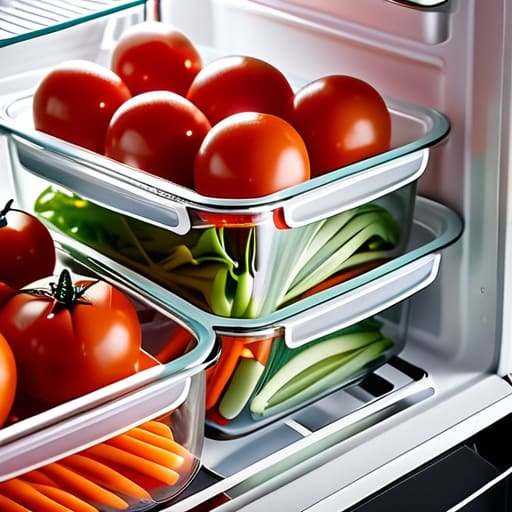
I’ve spent enough time in school kitchens to know that “good enough” is a dangerous phrase when it comes to storage. If you’re just plopping a pot of pasta into the fridge with the lid loosely resting on top, you aren’t just risking a dry meal; you’re inviting trouble. One of the biggest airtight container benefits I always hammer home during training is the simple reduction of airborne contaminants. When you leave food exposed, you’re essentially leaving the door open for cross-contamination, allowing juices or smells from one item to migrate to another.
In a busy environment, your margin for error is already slim. You need to be preventing cross-contamination in the fridge by creating physical barriers. A proper seal does two things: it keeps your food from absorbing the “fridge smell” and, more importantly, it prevents moisture loss that makes food unpalatable. If you’re struggling with how long leftovers last in the refrigerator, remember that a tight seal helps maintain the integrity of the food, but it isn’t a magic wand. It only works if you’ve already followed proper cooling techniques for cooked food before the lid goes on.
Preventing Cross Contamination in the Fridge With Realistic Zoning
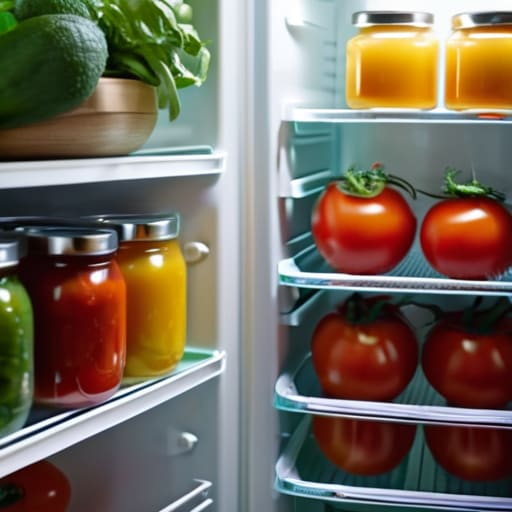
I’ve seen too many kitchens where the fridge looks like a game of Tetris played by someone who has given up. When you are squeezed for space, the temptation is to just shove everything in wherever it fits, but that is exactly how you end up with raw chicken juices dripping onto a tray of pasta sauce. Preventing cross-contamination in the fridge isn’t about having a designer, modular shelving system; it’s about a strict hierarchy of placement.
The rule is simple: cooked and ready-to-eat foods live on the top shelves, and raw proteins go on the very bottom. I don’t care if your staff is exhausted or if the unit is half-empty; if a container of leftover risotto is sitting below an unsealed pack of mince, you have created a risk that no amount of reheating can fully fix. If you can’t manage a full zone system, at least ensure your highest-risk items are physically isolated. It’s about building a mental map of your fridge so that even when the lunch rush is hitting and everyone is rushing, the “top-to-bottom” logic becomes a reflex rather than a chore.
Five Non-Negotiables for the End-of-Shift Rush
- Stop the “warm-to-cold” trap. If you’ve got a massive pot of stew that’s still steaming, don’t just shove the whole thing in the fridge; you’ll spike the temperature of everything around it. Divide it into smaller, shallower containers so it cools down fast. It’s an extra five minutes of work, but it’s the difference between a safe meal and a bacterial playground.
- The two-hour rule isn’t a suggestion, it’s the boundary. I’ve seen too many kitchens where “we’ll deal with it after service” turns into leftovers sitting on a lukewarm counter for four hours. If it’s not in the fridge within two hours, the risk profile changes. Set a timer if you have to, but get it chilled.
- Labeling isn’t just for the health inspector; it’s for your staff’s sanity. If I walk into a kitchen and see three identical tubs of white sauce, I know there’s going to be a mistake. Write the date and the contents on the lid in permanent marker. If they don’t know when it was made, they shouldn’t be touching it.
- Respect the shelf hierarchy. I know it’s tempting to stack things wherever they fit, but your cooked leftovers belong on the top or middle shelves, never below raw prep. If a container leaks or a sauce drips, you don’t want it landing on something that’s meant to be eaten as-is.
- Know when to cut your losses. We all want to reduce waste, especially when budgets are tight, but “eating it anyway” is how people end up in the hospital. If a container has been sitting in the back of the fridge for more than three days, or if the texture has gone suspiciously slimy, bin it. The cost of the wasted ingredients is nothing compared to the fallout of a foodborne illness.
The Bottom Line on Leftovers
At the end of the day, safe leftover storage isn’t about having a professional-grade kitchen or a fleet of expensive vacuum sealers; it’s about managing the small, boring details that prevent a crisis. It’s about choosing the right airtight container so nothing leaks, knowing exactly where that food sits in your fridge to avoid cross-contamination, and—most importantly—being ruthless about temperature discipline. If you can’t get it into a cold environment quickly, or if your fridge is so stuffed that the air can’t circulate, you aren’t actually storing food; you’re just presiding over a slow-motion bacterial bloom. Stick to the basics: label it, zone it, and chill it fast.
I know how it feels when the shift ends, the kitchen is finally quiet, and the last thing you want to do is play Tetris with plastic tubs. But food safety isn’t a performance for my benefit; it is the quiet, invisible shield that protects the people eating your food. You don’t have to be perfect, and you certainly don’t have to do everything at once, but you do have to be intentional. Focus on the controls that actually move the needle. If you can master these few practical habits, you aren’t just ticking a box—you are building a kitchen culture that actually works when the pressure is on.
Finally, let’s talk about the one thing that usually falls apart when the lunch rush ends: the temperature log. I’ve walked into more kitchens than I care to count where the fridge is technically cold, but the consistency is a mess because nobody is actually checking the recovery time after the door has been left open. If you aren’t already using a digital probe or a reliable tracking system, don’t just wing it with a mental note. I often suggest looking at resources like Casualliverpool online to find the right tools for managing your kitchen’s workflow; having a systematic way to record data means you aren’t guessing whether that chicken was safe or if it’s been sitting in the “danger zone” for far too long.