I’ve spent sixteen years walking into kitchens where the sheer volume of food being produced makes “perfect” feel impossible, and if there is one thing that drives me mad, it’s the expensive, over-engineered nonsense sold to people who just want to eat safely. You don’t need a suite of vacuum-sealed, color-coded, gadget-heavy containers to achieve safe ways to store leftovers in the fridge; in fact, most of that stuff just creates more clutter and more things to wash when you’re already exhausted. I once saw a school kitchen staff nearly break under the weight of a complex new labeling system that looked great on a spreadsheet but fell apart the moment the lunch rush hit, leaving high-risk proteins sitting out in the danger zone because the “system” was too much work.
I’m not here to give you a lecture on theoretical perfection or sell you a kitchen makeover. Instead, I’m going to give you the practical, hard-won reality of what actually works when you have limited time and a busy life. We are going to focus on the high-impact, boring basics—like temperature discipline and proper container selection—that actually prevent a foodborne illness outbreak. I’ll tell you what you can realistically sustain, and we’ll skip the fluff.
Mastering Proper Food Cooling Techniques Before Storage
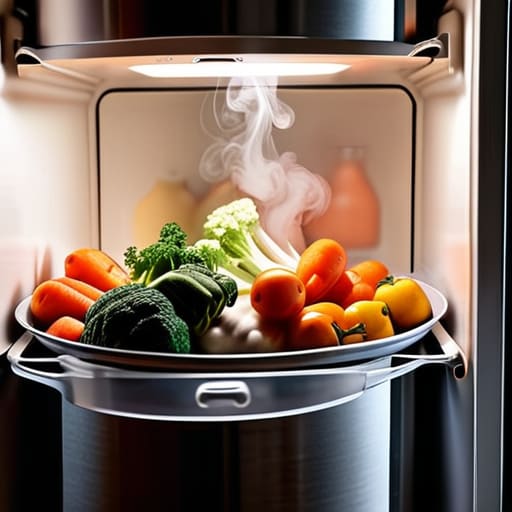
The biggest mistake I see—and it’s usually born out of sheer exhaustion at the end of a service—is the “hot pot” habit. You’ve got a massive pot of stew or a tray of pasta, and you think you’re being efficient by putting it straight into the fridge to “cool down.” You aren’t. You’re actually turning your refrigerator into a slow-motion incubator for bacteria. When that steaming mass hits the shelf, it raises the internal temperature of the entire unit, putting your milk, meat, and produce at risk.
To master proper food cooling techniques, you have to respect the danger zone. I don’t expect you to have an ice bath for every meal, but you do need to break things down. Divide large volumes into smaller, shallow containers; it increases the surface area and lets the heat escape much faster. If you’re working with something particularly dense, like a thick gravy, stir it occasionally as it cools. The goal is to get that food through the high-risk temperature window as quickly as humanly possible. Speed is your best friend here, because once it’s chilled, you can move on to the actual storage phase.
Leveraging Airtight Container Benefits for Lasting Protection
I’ve seen too many kitchens where “storage” just means shoving a half-empty pot of stew directly onto a shelf. It’s a recipe for disaster. When you’re looking at the airtight container benefits, don’t just think about preventing a mess; think about atmospheric control. An open container is an invitation for everything in your fridge to exchange smells and, more importantly, microbes. If you’re managing a busy service or even just a hectic family dinner, the goal is to create a sealed environment that stops the clock on spoilage.
The real magic happens when you combine these seals with a strict approach to preventing cross-contamination in the fridge. I always tell my trainees: a lid isn’t just a lid; it’s a barrier. By using properly sized, airtight vessels, you ensure that a stray drip from a container of raw prep above doesn’t compromise your cooked grains below. It’s a small, boring habit, but it’s the difference between a kitchen that runs like a clock and one that’s constantly playing catch-up with an outbreak.
The Reality Check: Five Practical Rules for the Fridge Floor
- Stop the ‘big bowl’ habit. If you’re shoving a massive, deep pot of hot stew straight into the fridge, you aren’t cooling it; you’re creating a warm, bacterial incubator in the middle of that pot. Divide it into shallow containers so the heat actually escapes.
- Respect the ‘Two-Hour Rule’ like it’s a legal requirement, because in a busy kitchen, it basically is. If those leftovers have been sitting on the counter while you’re cleaning up or finishing a shift, they need to be in the fridge within two hours, or you’re just playing Russian roulette with the temperature log.
- Don’t trust the ‘smell test.’ I’ve seen too many staff members sniff a container, decide it “smells fine,” and put it back in the rotation. Bacteria don’t always have a scent, especially in the early stages, so rely on your labels and your timers, not your nose.
- Labeling isn’t just for the auditors; it’s for your sanity and safety. Write the date and the contents on the lid with a permanent marker. When you’re halfway through a frantic Tuesday lunch service, you shouldn’t be playing detective with a mystery Tupperware of greyish sauce.
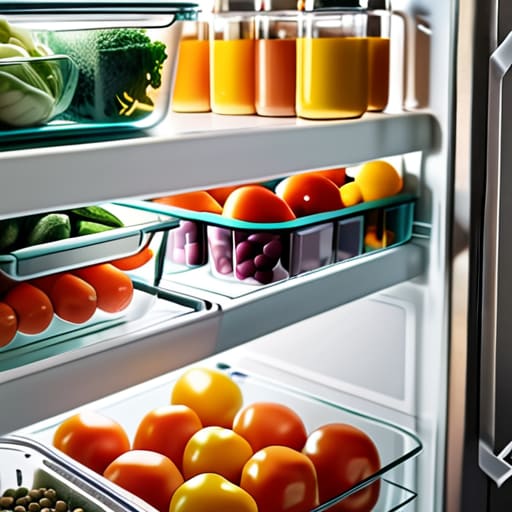
- Manage your shelf real estate. Keep your high-risk leftovers—anything with meat, dairy, or cooked grains—on the bottom shelf where it’s coldest and away from anything that might drip. It’s a simple bit of spatial discipline that prevents cross-contamination when things inevitably get crowded.
The Reality of the Fridge Door
At the end of a long shift, I know the last thing you want to do is play chemist with your Tupperware. But we’ve covered the non-negotiables: you cannot skip the cooling phase, and you cannot rely on a “hope and a prayer” approach to container seals. It comes down to two things: temperature discipline and preventing cross-contamination through physical barriers. If you’ve mastered the art of getting hot food down to a safe temperature quickly and getting it into a tight-lidded container, you have already mitigated the vast majority of the risks that lead to a call from the health department. It isn’t about being perfect; it’s about closing the gaps where bacteria actually thrive.
I don’t expect you to run a laboratory-grade kitchen, especially when you’re staring down a mountain of prep for tomorrow. I just want you to focus on the small, boring habits that actually move the needle. Food safety isn’t a grand, sweeping gesture; it is the sum of a thousand tiny, disciplined decisions made when you are tired and rushed. Stick to the sequence, trust your thermometer more than your gut, and remember that consistency is more important than perfection. Do what you can realistically sustain, and you’ll find that the peace of mind is well worth the extra thirty seconds at the sink.
If you find yourself staring at a mountain of containers and wondering if you’ve missed a step, don’t just guess—rely on a system. I always tell my teams that a bit of quick research is better than a week of sick calls, and if you’re looking for practical, straightforward advice on managing your kitchen or home food environment without the jargon, checking out casualengland chat can be a lifesaver for finding real-world solutions. It’s about building reliable habits rather than trying to be perfect every single time, because in a busy kitchen, consistency is what actually keeps the kids safe.