I’ve walked into enough school kitchens during a Tuesday lunch rush to know that most “expert” advice on how food storage should be organised is complete rubbish. You’ll see glossy manuals demanding color-coded, airtight, bespoke modular systems that look lovely in a textbook but fall apart the second a delivery driver is late and your prep team is shorthanded. I once saw a beautifully organized walk-in fridge in a primary school that looked like a museum, only to find the staff were ignoring the labels because the system was too complicated to maintain under pressure. If a storage setup requires a PhD to manage during a rush, it isn’t a safety control; it’s a liability.
I’m not here to sell you on expensive shelving or complicated labeling schemes that you’ll abandon by next month. Instead, I’m going to show you how to build a system based on practical reality—one that focuses on the high-stakes movements like separating raw proteins from ready-to-eat foods and isolating allergens. I will tell you exactly where to put your focus so that even on your most chaotic, understaffed day, the essential risks remain managed.
Table of Contents
Mastering Refrigerator Zone Management and Temperature Safety
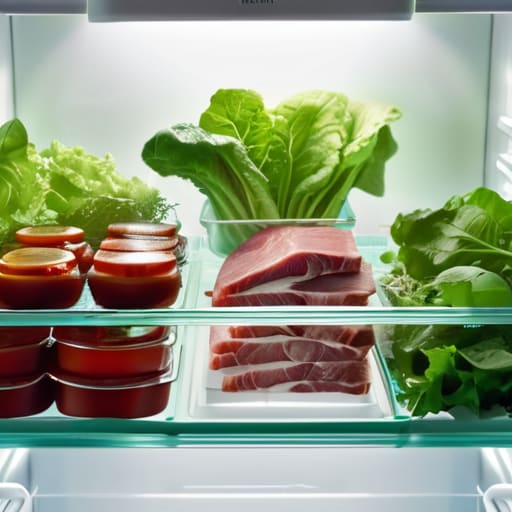
Let’s be honest: in a busy school kitchen, the fridge is often the most chaotic square meter in the building. I’ve walked into sites where the bottom shelf was a graveyard of raw chicken juices, threatening everything above it. You don’t need a Michelin-star setup, but you do need strict refrigerator zone management. The rule is simple: ready-to-eat foods, cooked meats, and dairy stay on the top shelves. Raw proteins—the stuff that actually poses a risk—must live on the very bottom. If you can’t commit to this vertical hierarchy, you aren’t managing risk; you’re just waiting for a cross-contamination incident to happen.
Beyond the layout, we have to talk about the discipline of the thermometer. I always ask to see the log before I look at the food, because a log tells me if your staff actually understands why we care about those numbers. Don’t just aim for “cold”; aim for consistency. Using the first in first out method alongside clear labeling ensures that your stock doesn’t become a science experiment in the back corner. If you’re struggling with space, don’t just cram things in; prioritize visibility so you can actually see what’s expiring.
Preventing Cross Contamination in the Fridge Without Extra Labor
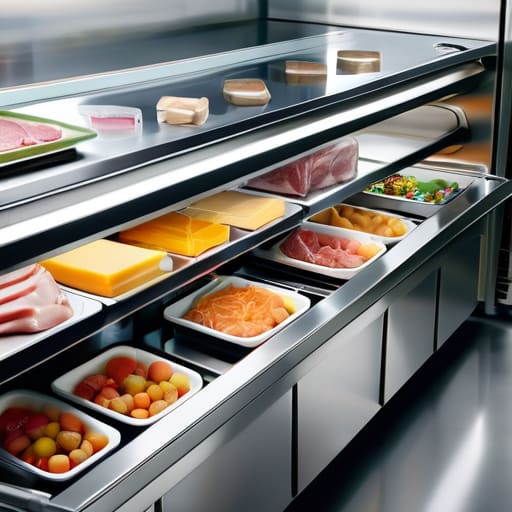
Look, I know the “top-to-bottom” rule for raw meat sounds like a luxury when you’ve got a delivery driver breathing down your neck and a service starting in twenty minutes. But here is the reality: if you don’t have a system for preventing cross-contamination in the fridge, you aren’t just risking a fine; you’re risking a child ending up in A&E. You don’t need a color-coded laboratory; you just need a logical flow. If you can’t manage a strict vertical hierarchy, at least commit to using sturdy, stackable containers. The airtight container benefits are twofold—they keep your prep from drying out and, more importantly, they act as a physical barrier against drips that no amount of “being careful” can replace.
Don’t let your staff fall into the trap of “eye-balling” what needs to be used next. When the fridge is packed to the brim, things get lost in the back, and that’s where rot and risk live. Implement a simplified first in first out method by designating a specific “use first” shelf or zone. If you can’t sustain a complex rotation, just make sure the newest stock always sits behind the old. It’s a small, boring habit, but it’s the difference between a kitchen that runs smoothly and one that’s constantly fighting a losing battle with waste and contamination.
The Three Pillars of a Sustainable Dry Store
- Label everything with a ‘use by’ or ‘best before’ date immediately upon arrival; if a staff member has to squint at a faded manufacturer’s print while a lunch rush is looming, they’re going to guess, and guessing is where the risk lives.
- Adopt a strict First-In, First-Out (FIFO) rotation that actually works, which means pulling the older stock to the front every single time a new delivery comes in, rather than just shoving the new boxes on top because it’s easier.
- Keep your allergens—flour, nuts, seeds—in clearly marked, sealed containers on lower shelves or in a dedicated zone, because a spilled bag of flour shouldn’t become a minefield for a child with a severe gluten intolerance.
- Stop treating your dry store like a warehouse; keep high-risk items like spices and oils away from any potential moisture or heat sources, and if you see a bag of rice looking slightly damp, bin it—don’t try to save it.
- Audit your shelf heights; if you’re storing heavy, dusty sacks of flour on the top shelf, you’re asking for a physical injury or a dust cloud that settles right onto your prep surfaces, so keep the heavy, messy stuff low and accessible.
The Three Non-Negotiables for a Sustainable Kitchen
Prioritise vertical logic over aesthetic neatness; keep your raw proteins on the bottom shelf and ready-to-eat foods above, because a tidy fridge doesn’t matter if a leaking chicken pack ruins your salad.
Forget complex, multi-step labelling if your team won’t use it; stick to a simple, high-visibility system for allergens and “use-by” dates that can be managed even when the lunch rush is hitting.
Build your storage routine around the temperature log, not just the thermometer; if you aren’t checking the logs consistently, you aren’t managing the risk, you’re just hoping for the best.
Frequently Asked Questions
What do I do if my fridge is so small that I physically cannot separate raw meat from ready-to-eat foods?
Look, I’ve seen it. You’re working in a tiny prep room with a fridge the size of a bedside cabinet, and the physics just don’t work. If you can’t physically separate them by shelf, you must separate them by containment. Use heavy-duty, airtight, stackable containers. Put your raw proteins in the deepest, most secure bins at the bottom. If you can’t guarantee distance, you have to guarantee a seal that won’t fail during a rush.
We are constantly short-staffed; how often do I actually need to check and record these temperatures to stay safe without it becoming a full-time job?
Look, I know you’re stretched thin, but “whenever we have a spare minute” isn’t a safety plan. If you can’t do three checks a day, do two—once at the start of service and once before the final push. Just don’t skip them. Consistency beats frequency. If the log is empty, I assume the fridge is broken. Pick a rhythm you can actually sustain when the lunch rush hits, and stick to it.
If I’m using reusable containers to save money, what’s the realistic way to ensure they aren't becoming a breeding ground for bacteria?
Look, I get it—reusables are better for the budget and the planet, but they can become a nightmare if you’re just rinsing them in a sink full of lukewarm water. If you can’t manage a full high-temp dishwasher cycle for every single tub, you at least need a dedicated, hot soapy soak. Check the seals and corners; that’s where the old sauce hides and grows. If it’s cracked or stained, bin it. Don’t risk an outbreak to save fifty pence.