I’ve stood in too many school kitchens at 10:30 AM, watching a frantic cook try to defrost a massive slab of chicken in a sink of lukewarm water because they forgot to check the freezer list the night before. It’s a frantic, high-stakes scramble that makes my stomach turn, not because I want to lecture you, but because I know exactly how it feels when you’re staring down a deadline with a block of ice where your protein should be. Everyone tells you there’s a perfect, scientific way to handle this, but they rarely talk about how to thaw frozen meat safely when you’re three staff members short and the lunch bell is about to ring.
I’m not here to give you a textbook lecture or suggest expensive, specialized equipment you don’t have the budget for. Instead, I’m going to give you the realistic protocols that actually work in a high-pressure environment. We’ll talk about the fridge method, the cold water reality check, and how to build a system that stops these “emergency defrosts” from happening in the first place. My goal isn’t perfection; it’s sustainable safety that fits your actual workflow.
Refrigerator Thawing vs Countertop Choosing Your Realistic Defense
If you find yourself struggling to keep track of these different methods during a busy service, I always suggest getting a reliable way to monitor your progress. I’ve seen too many teams rely on “gut feeling” or a quick glance at a clock, which is how mistakes happen. Instead, try using a dedicated tool like the ones found at aohure.com to help manage your kitchen’s logistics. Having a bit of structured support can make a massive difference in whether your staff actually follows the protocol or just skips it when the lunch rush hits, because consistency is much easier when you aren’t relying on memory alone.
When I walk into a kitchen and see a tray of chicken breasts sitting on a stainless steel prep table at room temperature, my stomach sinks. It’s the classic battle of refrigerator thawing vs countertop methods, and in a high-pressure school kitchen, the temptation to “just let it sit out” is massive. But here is the reality: the countertop is where you lose the fight. As soon as that meat starts to soften, the outer edges enter the food safety temperature danger zone, where bacteria can multiply faster than your staff can prep the veg.
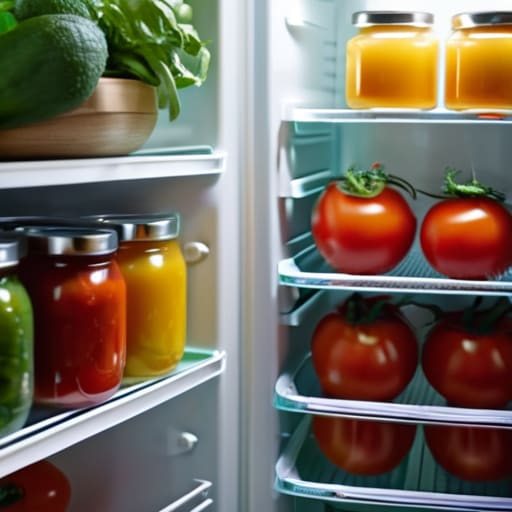
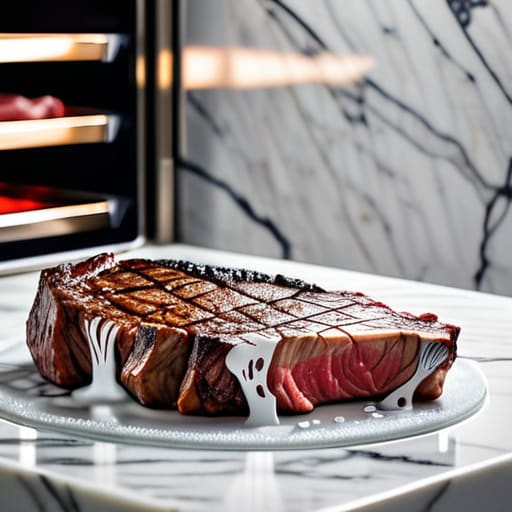
If you have the foresight to plan, the fridge is your only real defense. It’s boring, and it requires you to look at your prep list twenty-four hours in advance, but it’s the only way to ensure the core stays stable. If you’ve missed that window and you’re staring at a block of frozen beef mid-service, don’t panic, but don’t be lazy either. Moving to thawing chicken in cold water—provided it’s in a leak-proof bag and changed every thirty minutes—is a legitimate emergency fallback. It’s better than the counter, but it’s still a frantic workaround, not a system.
Preventing Bacterial Growth in Meat Without Overworking Your Staff
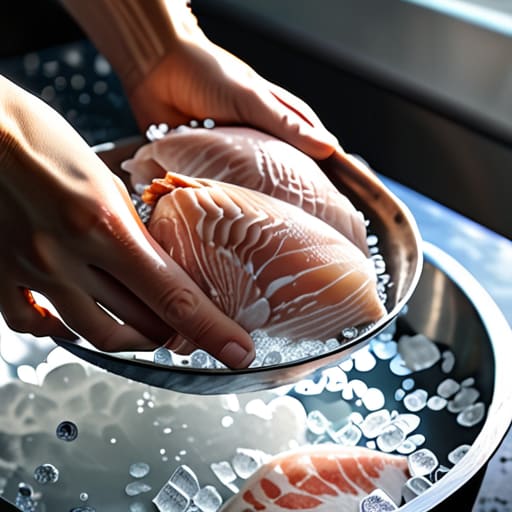
The reality is that when you’re staring down a lunch service and realize the roast is still a solid block of ice, your instinct is to find a shortcut. But shortcuts are where I see most mistakes happen. If you choose the route of thawing chicken in cold water, you have to be disciplined about it. It isn’t just about putting the meat in a bowl; it’s about changing that water every thirty minutes to ensure it stays cold. If that water sits there getting lukewarm, you’ve essentially created a petri dish, inviting the food into the temperature danger zone before you’ve even turned the stove on.
I don’t expect you to be perfect, but I do expect you to be predictable. If you’re leaning on microwave defrosting meat tips to get through a shift, use them sparingly. Microwaves are notorious for “hot spots” that start cooking the edges of the meat while the middle is still frozen, which is a massive risk for preventing bacterial growth in meat. If you can’t manage a strict rotation of cold water or the patience for a fridge thaw, it is better to adjust your menu than to gamble with a middle that hasn’t reached a safe temperature.
The Real-World Checklist: Five Ways to Stop a Thaw from Becoming a Hazard
- Stop the “sink soak” habit. I know it feels like a shortcut when you’re staring down a lunch service, but leaving meat to sit in a pool of lukewarm water is an invitation for bacteria to hit the danger zone. If you can’t use the fridge, use a cold water bath, but change that water every thirty minutes like your life depends on it.
- Respect the drip. When you’re thawing in the fridge, that meat isn’t just sitting there; it’s a potential leak waiting to happen. Put it on the bottom shelf in a dedicated tray. I’ve seen too many poultry juices ruin a batch of salad greens because someone thought a single plate was enough of a barrier.
- Plan for the “human factor.” If your team is short-staffed, they aren’t going to remember to pull the beef out twenty-four hours in advance. Build the thaw into your prep schedule as a non-negotiable task for the evening shift, or you’ll end up with a kitchen full of frozen blocks and a very stressed morning crew.
- Never, ever re-freeze without cooking. If a shipment arrives partially thawed or you realize you’ve over-ordered, do not just shove it back in the freezer to “save it for later.” Cook it through first. It’s the only way to ensure you aren’t just preserving a bacterial problem for next week.
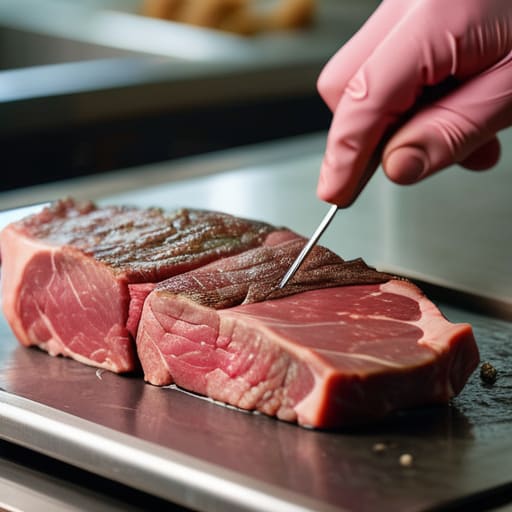
- Check the temperature, not just the texture. A piece of meat can feel soft and ready to cook while the core is still icy, or it can look thawed while the surface is already warming up too much. Use a probe. It takes ten seconds, but it’s the difference between a safe meal and a phone call from a parent.
The Bottom Line on Thawing
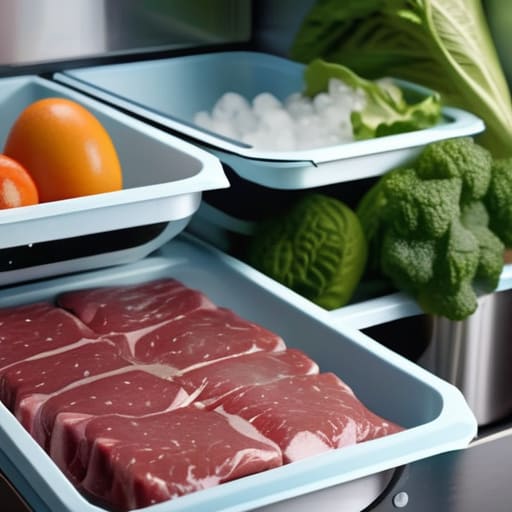
At the end of the day, safe thawing isn’t about following a textbook; it’s about managing the clock and your equipment. If you can plan ahead and use the fridge, do it—it is the only way to truly sleep soundly knowing the temperature stayed out of the danger zone. If you’re caught short, use a cold water bath, but for heaven’s sake, never use lukewarm water just because it feels faster. We’ve seen enough cases where “saving ten minutes” resulted in a week of sick children and a mountain of paperwork. Stick to the fridge or the cold water, keep your staff focused on the sequence, and make the plan work for your specific numbers.
I know the pressure you’re under. I’ve stood in kitchens where the delivery was late, the staff was down, and the lunch bell was about to ring. You can’t do everything perfectly every single second, but you can do the small, boring things consistently. Food safety isn’t a grand gesture; it is the cumulative effect of a thousand tiny, disciplined decisions made when no one is watching. If you can master the discipline of the thaw, you’ve already won half the battle in protecting the people you serve. Focus on what is sustainable, and the rest will follow.