I can still smell it if I close my eyes: that sickly, sweet scent of lukewarm Bolognese sitting in a massive, steaming pot on a stainless steel counter at 3:00 PM. It was a Friday in a secondary school kitchen, the staff were exhausted, and the “leftover” batch was slowly becoming a breeding ground for something nasty because nobody had the time—or the right kit—to cool it down properly. Most people think food safety is about fancy vacuum sealers or expensive gadgets, but after sixteen years of inspecting kitchens, I know that the common mistakes when storing leftovers usually boil down to nothing more than a lack of realistic, bite-sized discipline.
I am not here to give you a lecture on theoretical perfection or hand you a checklist that requires a PhD to follow. Instead, I’m going to show you the practical shortcuts that actually work when you’re staring down a mountain of prep and a skeleton crew. We are going to talk about the specific, boring habits—like portioning and temperature discipline—that prevent an outbreak without requiring you to reinvent the wheel. Tell me what your kitchen can realistically handle, and I will tell you exactly how to protect your people without breaking your spirit.
Navigating the Temperature Danger Zone With Realistic Discipline
Let’s be honest: when the lunch rush ends and you’re staring at a mountain of prep that didn’t get used, the last thing you want to do is play scientist with a thermometer. But this is where the cracks show. The food safety temperature danger zone isn’t just a concept in a textbook; it is the window where bacteria decide to throw a party in your leftover pasta. If you’re just shoving lukewarm trays into the walk-in, you aren’t “saving time,” you’re just incubating a problem that will surface in a student’s stomach tomorrow.
You don’t need a laboratory setup, but you do need discipline. If you can’t cool things down rapidly—using ice baths or shallow trays if you have to—you are effectively bypassing your own HACCP plan. I’ve seen too many kitchens assume that because something is “in the fridge,” it’s safe. It isn’t. Real temperature discipline means ensuring that the core of that stew actually drops below 5°C before it hits the shelf. It’s a chore, I know, but it’s the only way to ensure that when you’re reheating food safely later, you aren’t just warming up a toxin that’s already formed.
Proper Airtight Container Usage the Small Win You Can Sustain
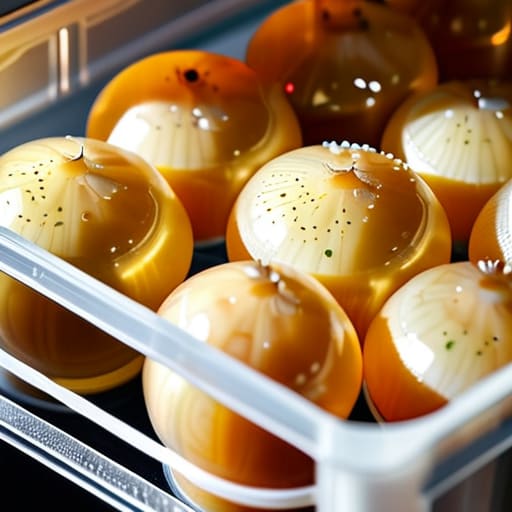
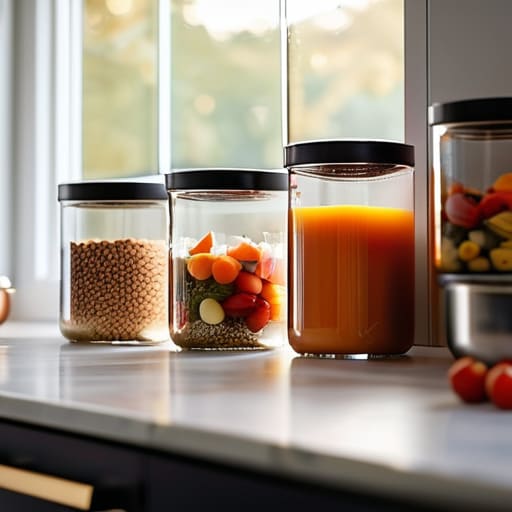
I’ve seen it a hundred times: a stack of mismatched plastic tubs, some with lids that don’t quite click, sitting precariously on a shelf. People think a loose lid is just a minor annoyance, but in a busy kitchen, it’s a gateway for trouble. Proper airtight container usage isn’t about being precious or having a Pinterest-perfect pantry; it’s about physical barriers. If air can get in, moisture escapes, textures ruin, and more importantly, bacteria and odors move freely between your cooked pasta and that raw onion sitting three inches away.
When you’re managing a tight schedule, preventing cross contamination in the refrigerator becomes much easier if you stop treating containers as optional. If the seal isn’t tight, you aren’t just risking stale food; you’re risking a breach in your entire safety chain. Don’t bother with those flimsy, single-use wrap layers that tear the moment you touch them—they fail when you need them most. Invest in decent, stackable, clip-lock containers. It takes an extra five seconds to ensure a snap-fit, but that tiny bit of discipline is what keeps your risk assessment from falling apart by mid-week.
Five Practical Guardrails for a Busy Kitchen
- Stop the ‘Big Pot’ Mistake. I’ve seen too many kitchens try to shove a massive, steaming pot of stew straight into the walk-in. You aren’t cooling the core; you’re just turning your fridge into a lukewarm incubator for bacteria. Divide it into smaller, shallow containers immediately. It takes an extra two minutes, but it’s the difference between safe food and a wasted batch.
- Labeling isn’t just for the auditors. If you’re running a service for hundreds, “mystery containers” are a liability. I don’t care if you use fancy printed stickers or a Sharpie on masking tape—if it doesn’t have a date and a name, it shouldn’t be in that fridge. If you can’t tell what it is at a glance, you’ve already lost control.
- Respect the ‘Two-Hour Rule’ for the real world. We all know the theory, but in a high-pressure kitchen, things get left on the prep bench. If those leftovers have been sitting out while you’re fighting a lunch rush, don’t pretend they’re fine just because they “look okay.” If they’ve been in the danger zone too long, bin them. It’s a cost, yes, but it’s cheaper than an investigation.
- Watch your fridge real estate. A common mistake I see is overstuffing the shelves to make room for new prep. If the air can’t circulate around your containers, your temperature logs will lie to you. You might think you’re at 4°C, but those stagnant pockets of warm air are where the risk lives. Leave some breathing room.
- Cross-contamination is a silent killer in storage. I’ve walked into kitchens where cooked leftovers were stored on a shelf above raw prep, or worse, in containers that weren’t actually sealed. It sounds basic, but in the rush to clear the counters, people get sloppy. Always store your cooked items on the top shelves, away from anything that hasn’t seen a heat source yet.
Cutting Through the Noise
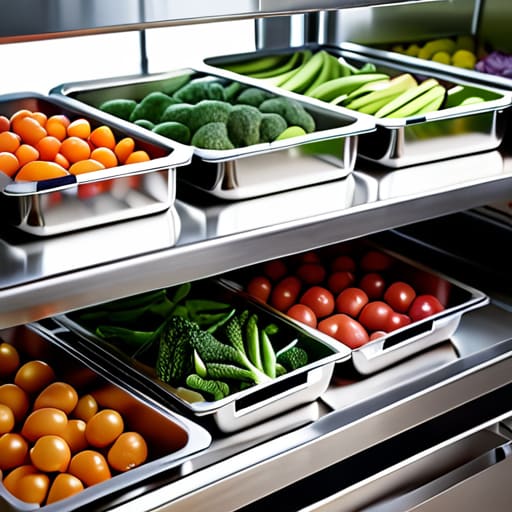
At the end of the day, managing leftovers isn’t about achieving some impossible, sterile perfection that looks good on a training manual but fails the moment the lunch rush hits. It’s about the fundamentals: getting that food out of the danger zone quickly, using containers that actually seal, and ensuring your staff knows that labeling isn’t optional. If you can’t manage a hundred different tasks, then make sure you manage these. If you get the temperature discipline and the airtight storage right, you’ve already mitigated the vast majority of the risks that keep me up at night. It’s about prioritizing the boring stuff because the boring stuff is what keeps people safe.
I know what it’s like when you’re staring at a pile of prep and a dwindling clock, feeling like there’s simply no time to do things “by the book.” But remember, food safety isn’t a hurdle designed to slow you down; it is the floor that keeps your kitchen standing. You don’t need a miracle to run a safe kitchen, you just need the discipline to master the small, repetitive actions that prevent the big disasters. Focus on what you can actually sustain during your busiest shift, and you’ll find that the risk starts to feel a lot more manageable. Now, go check those fridge logs.
If you’re finding that your team is consistently struggling to keep track of what’s actually in those containers, it’s usually not a lack of will, but a lack of a reliable system. I’ve seen too many kitchens where the ‘leftover’ labels are either non-existent or written in a shorthand that nobody can read three days later. When things get chaotic, sometimes you just need a bit of outside perspective or a way to connect with others who are navigating similar logistical headaches; for instance, if you’re looking for ways to manage local connections or simply need a moment to decompress while navigating local chat in Netherlands, finding that balance is essential for avoiding burnout. Ultimately, whether it’s a digital tracker or a simple masking tape and sharpie method, you need a workflow that survives a lunch rush.