I’ve spent sixteen years walking into kitchens where the sheer volume of “wellness” advice feels like a personal insult to the staff. I’ve sat in school canteens where the head chef is staring at a pile of wilted kale and a budget that wouldn’t cover a decent bag of carrots, feeling the immense pressure to follow some influencer’s guide on how to increase vegetable intake. Most of those guides are useless; they suggest expensive superfoods or elaborate prep methods that simply cannot work when you’re trying to feed four hundred children on a deadline. If a strategy requires a sous-chef and an extra hour of prep time, it isn’t a strategy—it’s a fantasy.
I’m not here to sell you on organic microgreens or complicated grain bowls. My goal is to give you the practical, low-stakes adjustments that actually stick when the kitchen gets loud and the staff gets tired. I will show you how to layer vegetables into your existing workflows and menus without adding a single minute of unnecessary stress to your prep list. Tell me what your kitchen can realistically handle, and I will tell you how to make it happen.
Table of Contents
Building Healthy Eating Habits for Beginners Without Overwhelming Your Sche
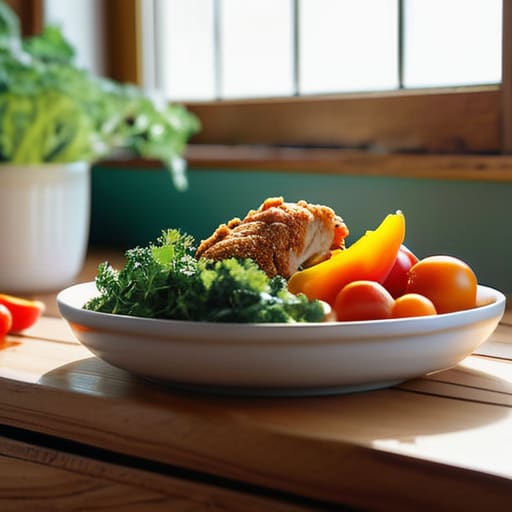
If you try to go from a diet of processed nuggets to a kale-only lifestyle by Monday morning, you’re going to fail, and you’ll probably end up ordering a pizza by Wednesday. I’ve seen this in school kitchens too; you can’t just swap every starch for a superfood and expect the kids—or the staff—to follow suit. The secret to healthy eating habits for beginners isn’t about a total menu overhaul; it’s about the slow, incremental creep of nutrition into your existing routine.
Start by looking at your current heavy hitters—the pasta, the stews, the shepherd’s pie—and find the gaps. Instead of a separate side salad that will inevitably wilt in the fridge, look for ways to hide vegetables in meals where they actually add value. Grate a carrot into a bolognese or blitz some spinach into a pesto. You aren’t “tricking” anyone; you’re just reducing the friction of eating well. If you can manage one small addition to a recipe you already make, you’ve already won the first battle.
Practical Ways to Hide Vegetables in Meals for Minimal Friction
Look, I’ve seen enough “food battles” in school dining halls to know that if a child sees a piece of broccoli, the negotiation is already lost. If you’re working with a tight crew and even tighter schedules, you don’t have time for a culinary revolution; you need tactical wins. One of the most effective ways to hide vegetables in meals is through the “puree and blend” method. Instead of fighting the texture, lean into it. Finely grated carrots or cauliflower can disappear into a Bolognese sauce or a batch of shepherd’s pie without changing the flavor profile significantly. It’s about masking the sensory aspects of food acceptance—the lumps and the greens—that trigger an immediate “no” from a picky eater.
Another low-friction approach is utilizing the prep time you already have. If you’re already making a standard tomato sauce, throw in some roasted red peppers or even some cooked lentils. They add bulk and nutrition without requiring a separate cooking station or extra cleaning of pans. This isn’t about being deceptive; it’s about overcoming vegetable aversion by making the nutrition a seamless part of the meal rather than a separate, intimidating event.
The Low-Stakes Approach: Five Ways to Scale Up Without the Chaos
- Stop trying to cook everything from scratch. If you’re running a tight schedule, buy the frozen veg. It’s pre-washed, pre-chopped, and nutritionally just as good as the fresh stuff that’s going to rot in your crisper drawer because you didn’t have time to prep it.
- Use the “Add, Don’t Subtract” rule. Instead of trying to replace a carb with a veg—which usually ends in a hungry, frustrated kitchen—just add a handful of spinach to the pasta sauce or some grated carrot to the bolognese. It fills the gap without requiring a menu redesign.
- Prep for the “low-energy” moments. We all have those days where the staff is short or you’re just exhausted. Have a container of roasted veg or steamed greens ready in the fridge. If it’s already done, it actually makes it into the meal; if it’s raw, it stays in the drawer.
- Master the “one-tray” method. If you can’t manage a complex recipe, throw whatever vegetables are looking sad on a baking tray with some oil and salt. It’s low-effort, requires minimal cleanup, and gets the job done when you don’t have the headspace for anything fancy.
- Focus on texture, not just taste. A lot of people push veg because they think it has to be a side salad. Try roasting them until they’re slightly charred or blitzing them into a smooth soup. If the texture isn’t a barrier, the habit actually sticks.
The Reality Check: Three Ways to Make it Stick
Stop aiming for a “perfect” menu; focus on one small, repeatable substitution—like swapping white rice for a grain blend or adding a handful of spinach to a sauce—that your current staff can actually manage during a busy service.
Use the “hidden” method as a bridge, not a permanent fix, to get the nutrition in without the fight, but always keep the goal of making vegetables a visible, normal part of the plate.
Prioritize consistency over complexity; it is far better to serve one extra portion of a reliable, easy-to-prep vegetable every day than to attempt a complicated new recipe that falls apart when the kitchen gets slammed.
Frequently Asked Questions
How do I manage the extra prep time these vegetables require when I'm already short-staffed during the lunch rush?
You can’t prep more when the lunch rush is hitting; that’s just physics. If you’re short-staffed, stop trying to chop everything fresh mid-service. Use your quiet windows—the 10:00 AM lull or the post-lunch reset—to batch-prep your veg. Better yet, lean on high-quality frozen or pre-cut options for your base ingredients. It costs a few pence more, but it buys you the sanity and the time needed to actually manage the service safely.
If I’m using frozen or canned vegetables to save time, am I losing out on the nutritional value I’m actually aiming for?
Look, if you’re choosing between a bag of frozen peas and a fresh head of broccoli that’s been sitting in your crisper drawer for a week, take the frozen ones. Every time. Frozen vegetables are usually blanched and flash-frozen at their peak, which locks in the nutrients. Canned is fine too, provided you rinse them to get rid of excess sodium. Don’t let the “fresh is best” myth stop you from actually getting greens on the plate.
How can I introduce more plant-based options to picky eaters without them noticing a massive change in the meal's texture or flavour?
Don’t go for the “meat replacement” products straight away; they often have a texture that triggers an immediate “no” from picky eaters. Instead, use the blending method. If you’re making a Bolognese, finely grate carrots or zucchini into the sauce. If it’s a shepherd’s pie, mix red lentils into the mince. They soften into the meat, they don’t change the mouthfeel, and you’re adding nutrition without a battle at the table.