I’ve spent more time standing in the steam of school kitchens than I have in my own living room, and if there is one thing that makes my blood pressure spike, it’s the obsession with high-tech, precision-engineered portioning systems that nobody has time to use. I once walked into a mid-sized primary school kitchen where the manager was stressing over a digital scale calibration manual, yet they were still eyeballing the protein portions with a heavy hand. We need to stop treating this like a laboratory experiment; when we talk about how portion sizes should be set, we aren’t just talking about food costs or math problems. We are talking about predictability—ensuring that the child at the end of the line gets exactly what the nutritional plan promised, without making the service grind to a halt.
I am not here to give you a lecture on theoretical culinary mathematics or suggest you buy equipment that requires a PhD to operate. My promise to you is much simpler: I’m going to show you how to establish controls that actually stick when the lunch rush hits and you’re down a staff member. We will focus on practical, repeatable methods that balance nutritional requirements with the reality of a busy service, because consistency is what keeps you safe and keeps your budget from bleeding out.
Table of Contents
Standardized Serving Sizes Guide Preventing Chaos in the Rush
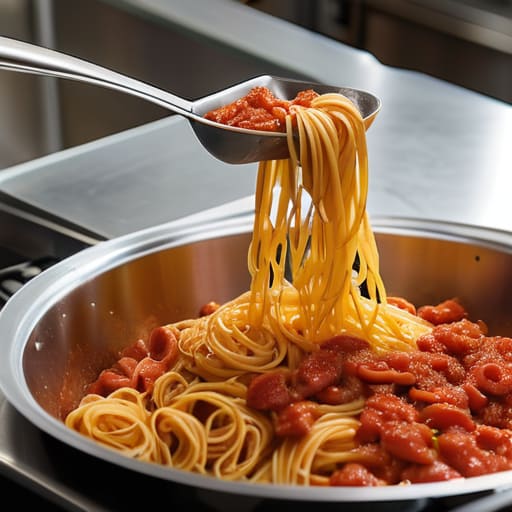
When the lunch bell rings and you’ve got two hundred hungry kids staring you down, “eyeballing it” is your enemy. I’ve seen it a hundred times: one server heaps the pasta high, the next gives a tiny scoop, and suddenly your budget is blown and your nutritional consistency is out the window. You need a standardized serving sizes guide that actually lives on the counter, not tucked away in a dusty manual. I’m not talking about fancy digital scales for every single plate—that’s a recipe for a bottleneck. I mean using consistent tools like specific ladles, scoops, or even marked lines on a serving spoon.
If you can’t measure it, you can’t control it. By using these fixed tools, you aren’t just managing costs; you are ensuring you meet nutritional adequacy standards without having to stop and think about it mid-rush. It takes the guesswork out of the equation for your team. When the staff knows exactly what a “portion” looks like, you stop the cycle of over-serving that leads to massive amounts of leftover food being tossed at the end of the day.
Meeting Nutritional Adequacy Standards Without Breaking the Budget
Here is the reality of school catering: you are constantly caught between a rock and a hard place. On one side, you have strict nutritional adequacy standards to meet; on the other, you have a budget that feels like it’s shrinking every time you walk into the storeroom. I’ve seen too many managers try to solve this by simply buying cheaper, lower-quality ingredients, but that’s a losing game. If you want to hit those targets without going broke, you have to stop looking at the price per kilo and start looking at the yield per plate.
The secret isn’t in the ingredients themselves, but in how you manage the volume. By using a standardized serving sizes guide, you aren’t just being precise; you are actively reducing food waste through portion control. When every child gets the same calibrated amount of protein or starch, you stop the “invisible bleed” of food ending up in the bin because a server was being too generous. It’s about making sure every penny spent on a meal actually makes it into the child’s system, rather than being thrown away in a heavy-duty bin liner at the end of service.
Five Practical Ways to Set Portions That Actually Stick
- Stop relying on “eyeballing it.” If you tell a staff member to “give a decent scoop,” you’ll have three different portion sizes by the end of the lunch rush. Use a specific, colour-coded ladle or a standard 100ml scoop. It takes two seconds to grab the right tool, and it saves you from a massive discrepancy in both cost and nutrition.
- Focus your precision where it matters most. You don’t need to weigh every single pea on the plate, but you absolutely must be consistent with your high-risk proteins. If a child is meant to have 75g of chicken to meet their nutritional requirements, that needs to be a controlled measurement, not a “whatever’s left in the tray” situation.
- Build your portions around the “anchor” ingredient. Pick your most expensive or nutritionally dense item—usually the meat, fish, or a specific legume—and set the portion size based on that. Once the anchor is set, the secondary items like veg or starch can be more flexible, which helps manage your budget without feeling like you’re starving the kids.
- Use your serving equipment as a training tool, not just a utensil. If you’ve invested in a specific sized scoop for the mash, make sure it’s the only one that fits in that specific container. It sounds like a small thing, but in a busy school kitchen, physical constraints are much more effective than a laminated instruction sheet that no one has time to read.
- Plan for the “seconds” crowd before you plate up. If you know your Year 6s are going to come back for more, don’t set your base portion so large that you run out of food by 12:45. Set a standard, nutritionally sound base portion, and then have a clear, measured way to manage extra helpings so you don’t end up with a massive deficit by the time the last child sits down.
The Bottom Line: What Actually Matters When the Lunch Rush Hits
Don’t aim for perfection across the whole menu; identify your high-risk or high-cost items and fix those portion controls first to prevent the biggest safety and budget leaks.
Use physical tools—like specific scoops or ladles—rather than relying on staff to “eyeball” it, because when you’re thirty minutes behind schedule, intuition is the first thing to go.
Remember that a consistent portion isn’t just about saving money; it’s about ensuring that the child with specific nutritional needs or an allergy gets exactly what is documented on their plate every single time.
Frequently Asked Questions
If we’re struggling with staff turnover, how do I make sure a new person actually follows the portion guide without me standing over their shoulder every five minutes?
Stop relying on memory or “eyeballing it”—that’s where the errors happen when a new hire is feeling the heat. If you can’t stand over them, make the tools do the work. Use specific, color-coded scoops or designated ladles for every single dish. If the pasta scoop only holds one portion, they can’t accidentally serve two. It’s not about micromanaging; it’s about making the right way the easiest way to do it.
How do I balance the need for strict portion control with the reality of kids who are growing at different rates and might leave half their plate untouched?
Look, I’m not going to tell you to force-feed a twelve-year-old or let a hungry teenager starve. That’s not practical. Instead, build flexibility into your service. Set your “standard” portion based on the nutritional requirement, but use a “scoop and serve” method that allows staff to adjust slightly if they see a child is clearly struggling. It’s better to have a controlled variance than a rigid rule that results in mountains of plate waste.
We have a very tight margin on our ingredients; is it better to use more expensive, pre-portioned items or stick to bulk buying and risk the staff being inconsistent with scoops?
Look, I’ve seen both sides of this. If you’re running a skeleton crew during a lunch rush, “bulk and hope” is a recipe for disaster—either you run out of food by the 300th child, or you’re hemorrhaging money on over-scooping. If your margins are that tight, buy the pre-portioned items. It’s an upfront cost, yes, but it buys you consistency and, more importantly, it removes the human error that kills your budget and your nutritional targets.