
I’ve spent half my career standing in steaming school kitchens, watching staff juggle three different timers while trying to get four hundred trays out the door. I’ve seen the “nutrition experts” on TV suggest that you need expensive, organic, low-sodium specialty grains to protect kids, but that’s a load of nonsense that ignores how a real kitchen operates. The truth about how salt intake affects children isn’t found in a boutique health food aisle; it’s hidden in the hidden sodium of the processed bread, the stock cubes, and the pre-packaged sauces that your budget demands you use.
I’m not here to lecture you on the molecular biology of hypertension or tell you to buy equipment you can’t afford. My promise is simpler: I’m going to show you the practical, high-volume swaps that actually work when you’re short-staffed and under pressure. We are going to look at where the salt is actually sneaking into your prep lines and how you can control the seasoning at the very end of the process, rather than letting it be baked into every single component of the meal.
Table of Contents
Identifying Hidden Salt in Snacks and Processed Goods
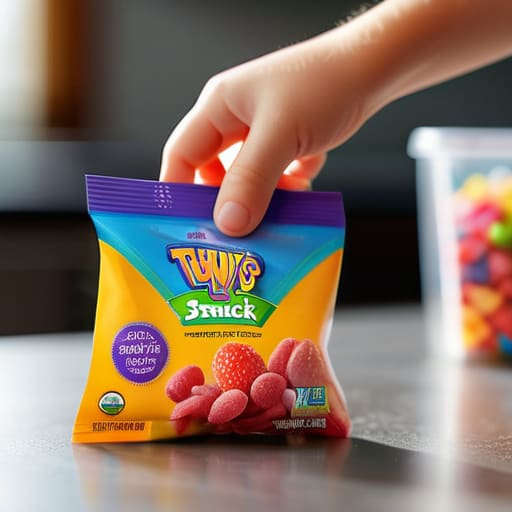
When I’m walking through a school pantry or a care home kitchen, I’m not looking for the salt shaker on the table; I’m looking at the labels on the back of the packets. The real danger isn’t what the kids are adding themselves, but the hidden salt in snacks that’s already been baked into the product. Those “healthy” crackers, pre-packaged muffin bits, and even some fruit pouches are often loaded with sodium to extend shelf life or mask poor ingredients. If you aren’t reading the nutritional information religiously, you’re essentially flying blind.
I’ve seen too many kitchen managers assume that because a product is marketed as ‘kid-friendly,’ it’s safe. It’s a trap. You have to look past the bright packaging and check the actual milligrams. If you’re trying to manage sodium levels in pediatric nutrition, you cannot rely on brand promises. My advice is simple: if the salt is one of the first three ingredients listed, it doesn’t belong in your prep line. It’s not about being a nutritionist; it’s about being a gatekeeper for what actually enters those dining halls.
Monitoring Sodium Levels in Pediatric Nutrition
Monitoring sodium levels in pediatric nutrition isn’t about getting a PhD in biochemistry; it’s about knowing exactly what is landing on those trays before it hits the service line. In a high-volume kitchen, you can’t taste-test every single batch of sauce or every tray of baked goods, so you have to rely on the data. I tell my teams to stop looking at the “serving size” on the front of the pack and start looking at the milligrams per gram on the back. If you are managing a school kitchen, you need to be auditing your dry stores regularly. It’s the only way to catch those massive spikes in sodium levels that sneak in through bread, deli meats, and even some “healthy” fruit juices.
The goal isn’t perfection—it’s consistency. You don’t need to overhaul the entire menu overnight, but you do need to establish baseline controls. For instance, if you’re transitioning to more scratch-cooking, make it a standard procedure to swap pre-mixed seasonings for individual herbs. When you start reducing sodium in toddler meals or primary school lunches, you’ll notice the flavor profile changes, but the risk profile drops significantly. It’s about creating a system where the lower-salt option is the default, not an afterthought.
Five Ways to Get a Grip on Sodium Without Losing Your Mind
- Stop relying on the “low salt” labels on the front of the packet; they’re often marketing fluff. I want you to flip the pack over and look at the milligrams per serving. If you’re serving four hundred kids, those tiny extra amounts in a “healthy” snack add up to a massive physiological hit by lunchtime.
- Control the seasoning at the end of the line, not the start. If you’re seasoning a massive pot of pasta sauce with salt before it even hits the heat, you have no way to adjust for the kids who are already hitting their daily limit. Season the individual portions or, better yet, use herbs and acids like lemon to bring the flavour forward instead.
- Audit your bread and baked goods. Most kitchen managers forget that bread is a major, silent contributor to sodium levels. If you’re using highly processed, pre-sliced loaves as the base for every sandwich, you’ve already lost the battle before the kids even sit down to eat.
- If you’re using canned or jarred goods to save on prep time—which I know you are—you must rinse them. Rinsing canned beans or vegetables under cold water isn’t a waste of time; it’s a practical way to strip away a significant portion of the sodium used in the canning process.
- Make the salt shaker a “controlled tool” rather than a table staple. In a school setting, if the salt is sitting out on the dining hall tables, it’s being used. Keep it behind the counter or in the kitchen area where the nutritional balance is actually being managed.
Practical Steps for Managing Sodium in a High-Volume Kitchen
Stop relying on pre-packaged seasonings and bouillon cubes; they are salt bombs that offer zero control, so switch to dried herbs and spices that you can scale yourself.
Control the salt at the very end of the service line rather than during the bulk cooking phase, allowing you to adjust seasoning based on what’s actually on the plate.
Audit your “convenience” stock—the bread, cheese, and canned goods—because that is where the sodium creeps in unnoticed, and it’s much harder to fix once it’s already in the pot.
Frequently Asked Questions
If we cut back on the pre-packaged stuff, how do we keep the meals tasty enough that the kids actually eat them?
If you strip out the salt and leave them with bland mush, they’ll just go looking for a crisp packet in the playground. That’s a failure of the kitchen, not the diet. You replace the sodium hit with acid and aromatics. Use lemon juice, vinegars, or even a splash of pickle liquid to brighten things up. Fresh herbs and toasted spices provide the “punch” kids crave without the blood pressure spike. Flavor isn’t just salt; it’s depth.
How do I balance the need for salt in a busy kitchen—like for seasoning—against the risk of overdoing it in a single meal?
You can’t cook without seasoning; a bland meal is just as much a failure as a salty one. The trick is to move the salt to the end of the line. Season your base components—the stocks, the grains, the proteins—with herbs, acids, or aromatics instead of the shaker. If you must use salt, keep it in a controlled way: season the food, but don’t provide the salt cellar on the table.
What are the most practical ways to spot "hidden" salt in ingredients I’m already using, like stocks or bread, without spending hours reading tiny labels?
Don’t get bogged down in the fine print of every single packet; look for the big hitters. If you’re using stock cubes or liquid concentrates, you’re essentially just adding salt water to your base—switch to low-sodium versions or unsalted stocks immediately. For bread, check the weight; if it’s heavy and dense, it’s often salt-laden. My rule of thumb? If the ingredient list has “salt” in the first three items, put it back.