I once walked into a school kitchen in mid-November where the air was thick with the smell of burnt gravy and sheer, unadulterated panic. The staff were exhausted, the delivery driver was late, and the temperature logs—the very things that keep kids safe—were sitting untouched on a flour-dusted counter. They hadn’t failed because they were incompetent; they failed because they were trying to run a December workload with an October skeleton crew. Most consultants will tell you that learning how to plan for seasonality requires expensive new software or a complete overhaul of your procurement systems, but that is absolute rubbish. In a real kitchen, seasonal shifts aren’t about fancy spreadsheets; they are about predicting where your team will break before they actually do.
I’m not here to give you a theoretical lecture on supply chain management that ignores the reality of a Friday lunch rush. Instead, I’m going to show you how to identify the specific, high-risk points in your workflow that shift when the volume climbs or the staff thins out. We are going to focus on sustainable controls—the small, boring habits like staggered prep schedules and tightened allergen checks—that you can actually maintain when the pressure is on. I’ll tell you exactly what to prioritise so you aren’t just surviving the rush, but actually managing it.
Table of Contents
- Ingredient Availability Forecasting Predicting the Gaps Before They Hit
- Seasonal Menu Planning Strategies That Actually Respect Your Staff
- The non-negotiables: 5 ways to stop seasonality from breaking your kitchen
- The bottom line: What to actually hold onto when the rush starts
- Frequently Asked Questions
Ingredient Availability Forecasting Predicting the Gaps Before They Hit
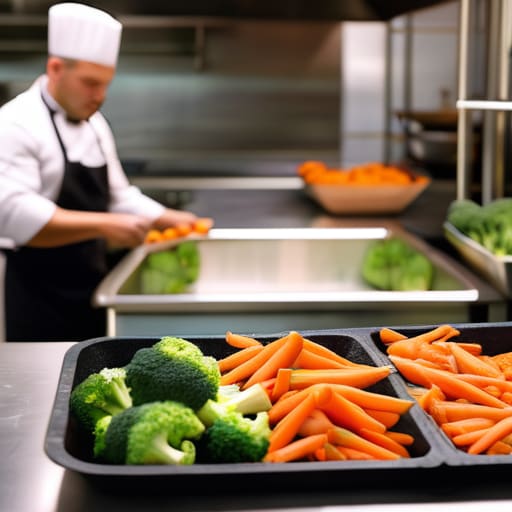
I’ve seen too many kitchen managers get caught flat-footed when a supplier calls to say the broccoli isn’t coming, or the price of chicken has doubled overnight. It’s not just a budget headache; it’s a service disaster. When you’re trying to feed hundreds of kids, a sudden gap in your menu isn’t just an inconvenience—it’s a logistical nightmare that forces your team into frantic, last-minute substitutions. Effective ingredient availability forecasting isn’t about having a crystal ball; it’s about looking at your menu through the lens of what is actually reliable.
Instead of building a menu around a “hero” ingredient that only arrives twice a week, I suggest building it around versatile staples. If you’re managing supply chain fluctuations, you need to know which items are your “safe bets” and which ones are high-risk. If a recipe relies on a single, highly seasonal item, have a secondary, shelf-stable, or more readily available component ready to go in your back pocket. It’s much easier to pivot a dish when you’ve already pre-planned the fallback than when you’re staring at an empty prep table during the lunch rush.
Seasonal Menu Planning Strategies That Actually Respect Your Staff
When we talk about seasonal menu planning strategies, most textbooks focus on the cost of a tomato in July versus December. They forget the person actually peeling it. If you design a menu that relies on hyper-seasonal ingredients that arrive in a chaotic, unmanageable rush, you aren’t just fighting the supply chain; you’re setting your team up for a breakdown. A menu that is too complex or relies on ingredients with wildly different prep requirements creates a bottleneck at the prep station that no amount of “efficiency” can fix.
Instead, aim for a menu that balances variety with predictable workloads. If you know a specific seasonal vegetable requires intensive peeling or intricate knife work, don’t make it the centerpiece of every dish during a week when you’re already short-staffed. The goal is maximizing ingredient quality without turning your kitchen into a pressure cooker. I’ve seen far too many service collapses caused by a menu that looked great on paper but ignored the reality of how much physical labor it actually demands from a tired team.
The non-negotiables: 5 ways to stop seasonality from breaking your kitchen
- Audit your dry storage before the rush. When seasonal demand spikes, the temptation is to over-order perishables, but your real safety net is what’s in the pantry. Ensure your high-rotation, shelf-stable basics are locked down so that when the fresh delivery is late or a supplier goes bust, you aren’t scrambling and making high-risk, last-minute substitutions.
- Tighten the allergen communication loop. Seasonal menus mean new ingredients, which means new risks. Don’t rely on the team “remembering” that the new seasonal sauce contains celery or mustard. If the menu changes, the allergen matrix must be updated and physically visible on the prep station before the first service.
- Review your cleaning sequences, not just your checklists. A busy seasonal period usually means more floor spillages and more heavy-duty equipment usage. Don’t just add more tasks; ensure your cleaning schedule follows a logical flow that accounts for the extra volume, otherwise, you’ll end up with “clean” surfaces that are actually just moving bacteria around.
- Build “buffer” time into your temperature logs. When you’re serving 400 meals in a tight window, the temptation is to skip the mid-service probe. I know it’s tempting, but if you’re hitting peak season, you need to be more disciplined, not less. Set a specific, non-negotiable time for a mid-service temperature check so it doesn’t get lost in the chaos.
- Plan for “staff fatigue” as a safety risk. A seasonal surge is when the most mistakes happen—not because the staff are bad, but because they are tired. If you know a heavy period is coming, don’t just plan the food; plan the breaks. A kitchen team that is running on fumes is a kitchen where cross-contamination happens.
The bottom line: What to actually hold onto when the rush starts
Don’t try to overhaul your entire HACCP plan mid-season; instead, identify the two or three critical control points—like temperature logging or allergen labelling—that cannot slip, no matter how short-staffed you are.
Build “buffer” into your prep schedules by planning menus around ingredients that are actually in season and easy to source, rather than fighting a losing battle with supply chains for out-of-season luxuries.
Prioritize staff communication over complex paperwork; a five-minute briefing on the day’s specific risks is worth more than a stack of half-filled logs that nobody has actually read.
Frequently Asked Questions
If a key seasonal ingredient suddenly becomes unavailable or spikes in price, what’s the quickest way to swap it out without risking an allergen error in my existing menu?
Don’t just grab whatever is on sale. The second you swap an ingredient, your allergen matrix is wrong, and that’s how people get hurt.
How do I manage the extra cleaning and prep workload that comes with seasonal menu changes when I'm already short-staffed?
Don’t try to overhaul your entire cleaning schedule overnight; you’ll just burn out the team you actually have. Instead, look at the new ingredients. If a seasonal menu introduces more raw prep or high-risk allergens, focus your limited energy there. Tighten the cleaning sequence around those specific high-risk zones and let the low-risk areas stay on their standard cycle. It’s about targeted discipline, not doing more work—it’s about doing the right work.
When we switch to more seasonal, fresh produce, how do I ensure my temperature logs and storage controls stay tight if the delivery frequency changes?
When you move from one big weekly delivery to three smaller ones, your biggest risk isn’t the food—it’s the chaos of the intake. Don’t just add more logs; tighten the “receiving” window. If deliveries are coming in more often, your staff can’t be mid-service when that crate hits the floor. Make it a non-negotiable: no delivery is accepted until the temperature is checked and logged immediately. If they don’t have the time to log it then, they won’t do it at all.