I’ve spent enough time in sweltering school kitchens to know that when a staff member is flagging by 11:00 AM, they aren’t looking for a fancy, pH-balanced alkaline infusion or a designer smart-bottle that pings their phone. They’re looking for a way to survive the lunch rush without a headache. Most of the advice you see online about how to encourage water drinking is written by people who have never had to manage a team of five in a room that’s thirty degrees Celsius. They suggest expensive gadgets or complex “hydration schedules” that completely fall apart the moment a delivery arrives late or a kid spills a gallon of milk on the floor.
I’m not here to sell you on wellness trends or complicated tracking apps that nobody has the time to use. My goal is to give you the practical, low-maintenance controls that actually work in a high-pressure environment. We’re going to talk about making water the easiest thing in the room to access, focusing on small, sustainable shifts in your setup that don’t require extra budget or more paperwork. I’ll show you how to build hydration into the workflow so it happens by default, not by effort.
Table of Contents
Recognizing the Subtle Signs of Dehydration in Busy Teams
In a high-pressure kitchen, you aren’t going to notice someone sitting down and announcing they feel parched. Dehydration doesn’t usually arrive with a dramatic flare; it creeps in through the cracks of a busy service. I’ve seen it a hundred times: a cook becomes uncharacteristically snappy with a colleague, or a prep assistant starts moving with a heavy, sluggish gait that wasn’t there during the morning briefing. These aren’t just personality quirks or fatigue; they are often the first signs of dehydration manifesting in a team that is too focused on the ticket rail to listen to their own bodies.
You also need to watch for the subtle cognitive slips. If you notice a staff member making uncharacteristic mistakes—misreading a label or forgetting a basic step in a cleaning sequence—it might not be a lack of training. It’s often a lack of focus caused by a drop in fluid levels. When the brain is running low on water, precision is the first thing to go. If you see that sudden dip in mental sharpness, don’t just bark about the mistake; check if they’ve had anything to drink in the last two hours.
Implementing Practical Water Drinking Reminders That Actually Stick
If you try to roll out a formal “hydration policy” in a kitchen, you’ll be laughed out of the room before the first service starts. Staff don’t need a lecture; they need access. The most effective water drinking reminders aren’t posters in the staff room—they are physical cues in the workspace. I always tell managers to stop treating water like a luxury and start treating it like a tool. If a cook has to walk across the building to use the tap, they won’t do it. Instead, keep a dedicated, clean water station near the prep area, away from the chemical stores but within eyesight.
Don’t expect them to drink plain water all day if they aren’t used to it; that’s a losing battle. If you want to see real results in increasing daily water intake, try flavoring water naturally with slices of lemon or cucumber kept in a large dispenser. It sounds a bit “wellness retreat,” but in a high-heat environment, it actually works. It turns a chore into something refreshing. The goal isn’t perfection; it’s making sure that when the mid-afternoon slump hits, they have a way to recover without having to hunt for a drink.
Five Low-Effort Wins for Keeping Your Team Hydrated
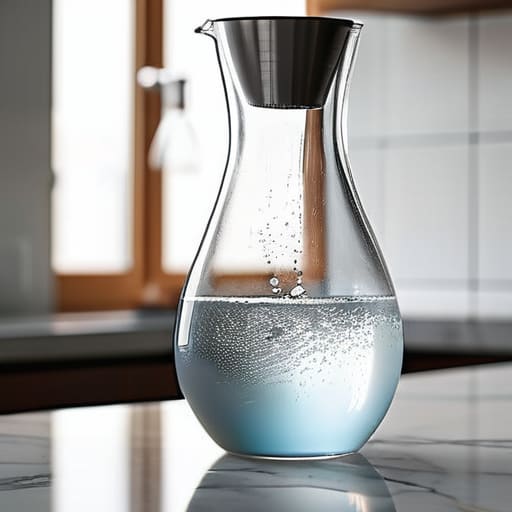
- Stop expecting them to find time for a drink. If your prep station is a three-minute walk from the sink, they won’t do it. Put a dedicated, clean water station—pitchers, not just a tap—right in the zone where they’re working. If it’s within arm’s reach, they’ll sip; if it’s a trek, they’ll wait until they’re dizzy.
- Ditch the “one litre an hour” nonsense. In a hot kitchen, that’s a recipe for a bathroom break that disrupts the entire line. Instead, encourage “micro-sipping.” It’s about small, frequent amounts that don’t leave them running to the loo every ten minutes during a service rush.
- Make the water actually palatable. I’ve seen staff surviving on nothing but coffee and adrenaline because the tap water tastes like a swimming pool. If you provide a large dispenser with some sliced cucumber or lemon, it sounds fancy, but really it just makes drinking water feel less like a chore and more like a choice.
- Use the existing rhythm of the kitchen. Don’t try to schedule “hydration breaks”—that’s just more paperwork nobody wants. Instead, tie drinking to the transitions you already have. A quick sip when the prep is finished, or a glass of water during the post-service clean-down. Use the natural lulls to reset.
- Lead by showing, not telling. If I walk into a kitchen and the head chef is chugging a bottle of water during a lull, the commis chefs will follow suit. If you’re all just surviving on caffeine and sheer willpower, they’ll think that’s the standard. Set the pace yourself.
The Bottom Line: Making Hydration Work in a High-Pressure Kitchen
Stop treating hydration like a lecture; if you want your team drinking water, you have to stop making it a chore and start making it a convenience by putting the water exactly where the work happens.
Watch for the irritability and the slowed-down prep work—by the time someone is complaining about the heat, they’re already dehydrated, so catch the subtle shifts before the mistakes start happening.
Don’t aim for perfection or a rigid schedule that your staff will ignore by Tuesday; aim for small, repeatable habits that fit into the actual rhythm of a service.
Frequently Asked Questions
We are already short-staffed; how do I manage water breaks without leaving the service line vulnerable during a lunch rush?
I get it. You can’t just pull a cook off the line when forty hungry kids are staring at them. But “managing” water breaks doesn’t mean a scheduled fifteen-minute sit-down in the middle of service. It means micro-hydrating. If you can’t give them a break, bring the water to them. A dedicated, clean station away from the prep area with a heavy-duty dispenser means they can grab a quick swallow between tickets without breaking their flow or leaving the station vulnerable.
If I provide flavored water or more options, am I opening a new can of worms regarding sugar content or allergen cross-contamination in the prep area?
You’re right to be wary. If you move from plain tap to flavored infusions, you’ve just added a new layer of risk. If you’re using powders or syrups, you’ve introduced sugar—a nightmare for diabetic students. If you’re using fresh fruit, you’ve introduced allergens like citrus or strawberry. My advice? Keep it simple. Use sliced cucumber or mint in a dedicated dispenser. It’s low-risk, low-sugar, and much easier to clean than a sticky syrup bottle.
How do I handle staff who claim they "don't like water" or simply refuse to participate in these new hydration habits?
Look, I’ve been in enough kitchens to know that “I don’t like water” is often code for “I’m too busy to care.” You aren’t going to win a debate about their personal tastes. Instead, stop making it a lecture and start making it an option. If they won’t drink plain water, suggest adding a slice of lemon or cucumber—something that feels less like a chore and more like a choice. Focus on the “why”: staying sharp prevents mistakes.