
I remember standing in a school kitchen three years ago, watching a frantic lunchtime service unfold. The air was thick with the smell of toasted bread and the deafening roar of four hundred hungry kids, but all I could focus on was the server reaching for a shared spoon to scoop jam. It wasn’t a lack of care that caused the near-miss I witnessed that day; it was the sheer, crushing weight of trying to follow a thirty-page manual while three staff members were calling in sick. Most training guides on how to manage allergies in the dining hall are written by people who have never had to plate a meal in under ten minutes, and frankly, they are useless in a real crisis.
I’m not here to sell you on expensive color-coded silicone mats or complex digital tracking systems that your team will ignore by week two. Instead, I’m going to tell you how to build a system that actually works when the lunch rush hits and the pressure is on. We are going to focus on the small, boring, non-negotiable controls—the ones like dedicated utensils and clear communication lines—that actually prevent a child from ending up in the hospital. Tell me what your staffing levels look like, and I’ll tell you what you can realistically sustain.
Table of Contents
Where Dining Hall Allergen Labeling Actually Fails
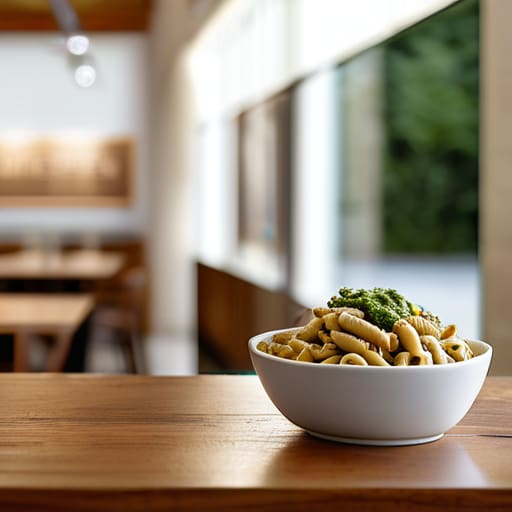
Most labeling systems fail because they assume the person reading them has nothing better to do than hunt for fine print. I’ve walked into dining halls where the “allergen matrix” is a laminated sheet tucked behind a stack of clean trays, or worse, a massive, confusing spreadsheet that no student actually reads. If your dining hall allergen labeling requires a student to play detective just to find out if there’s soy in the pesto, you haven’t built a system; you’ve built a trap. Real labeling needs to be idiot-proof and visible at the point of choice, not buried in a binder in the manager’s office.
The second failure is the gap between the label and the person serving the food. You can have the most beautiful, color-coded signage in the world, but if the student asks the server a direct question and the server shrugs because they “think it’s fine,” the label is worthless. Effective cross-contamination prevention in cafeterias relies on the staff actually understanding the labels they are standing next to. If your team isn’t trained to say, “I don’t know, let me check the spec,” then your signage is just expensive wallpaper.
Communicating Dietary Restrictions to Staff Without Losing Control
The problem isn’t usually that your staff are careless; it’s that they are overwhelmed. When a lunch rush hits and you have fifty kids lined up, a complex binder of dietary requirements becomes invisible. If you are relying on a single, massive spreadsheet that requires a staff member to scroll through fifty names just to find one gluten-free request, you have already lost. Communicating dietary restrictions to staff needs to be visual and immediate. I’ve seen much more success with simple, colour-coded cards or a dedicated “allergy station” whiteboard that is updated every single shift. If the information isn’t at eye level and glanceable, it doesn’t exist during the rush.
You also have to move away from the “just ask them” approach. Expecting a busy server to catch every nuance of a student’s allergy is a recipe for disaster. Instead, focus on standardising the hand-off. Whether it’s a specific ticket colour or a verbal “allergy check” required for every special meal, the goal is to make the protocol a muscle memory rather than a conscious thought. You aren’t aiming for perfection in every conversation; you are aiming for a system that survives the chaos.
The Three Pillars of Practical Control: Where to Focus When You’re Short-Staffed
- Stop trying to eliminate every trace of every allergen and start by securing your “Big Eight” zones. If you’re running a service for hundreds, you can’t sanitise the entire hall every ten minutes, but you can ensure that the specific utensils used for the peanut-based sauce never, ever cross paths with the serving spoons for the plain pasta. Pick your battles; secure the high-risk tools first.
- Ditch the complex, handwritten allergy notebooks that get lost or smeared with gravy. If your staff has to hunt through a binder while a queue of hungry teenagers is staring them down, they will guess. Use a simple, colour-coded card system or a single, high-visibility sheet at the point of service that tells them exactly what is in the tray, right now.
- Implement a “Double-Check” culture that doesn’t rely on memory. I’ve seen too many incidents where a cook thought they’d swapped the milk for soy, but they were just tired. Make it a rule: the person plating the meal and the person handing it over must both verify the allergen status. It takes five seconds, but it’s the difference between a safe meal and an emergency call.
- Control the “hidden” cross-contact points, specifically the shared condiments and serving ladles. A student might use the cheese sauce ladle for their plain mash, and suddenly your “dairy-free” option is compromised. If you can’t afford separate stations, you must ensure every single condiment has its own dedicated, clearly labelled spoon that stays in that container.
- Train for the “What If,” not just the “How To.” Most training tells staff how to prevent an allergy, but very little tells them what to do when they realize a mistake has already happened. If a staff member realizes they served the wrong bread, they need to know exactly who to tell and how to isolate that student immediately. Speed of reaction is your final safety net.
What to Carry Out of This: The Three Non-Negotiables
Stop trying to label every single ingredient in a buffet line; it’s a recipe for confusion and errors. Instead, focus on the high-risk “big hitters” and make sure your staff knows exactly which items are the absolute no-go zones for a child with a known allergy.
Paperwork is useless if it doesn’t match the reality of the service. Your allergen matrix needs to be a living document that gets updated the moment a supplier changes a brand, not a dusty binder sitting on a shelf that no one looks at during the lunch rush.
Cross-contact isn’t just about ingredients; it’s about tools. If you can’t afford a separate set of equipment for every dietary requirement, you must at least enforce a strict “clean-then-use” sequence and ensure the person serving the allergen-free meal isn’t using the same tongs they just used for the pasta.
Frequently Asked Questions
We’ve got a massive rush during the lunch service; what’s the one thing we can absolutely not skip when a student asks for a "special" meal?
When the rush hits and the queue is out the door, your instinct is to move fast. Resist it. The one thing you cannot skip is the verbal verification of the specific allergen. Don’t just assume “the special meal” is the same one they had Tuesday. You need to pause, look the student in the eye, and confirm: “This is the dairy-free option, correct?” It takes five seconds, but it’s the only thing standing between a busy service and a trip to the ER.
How do I stop my kitchen staff from treating allergen labels like optional suggestions when they're under pressure to get the line moving?
Stop treating the labels like a menu choice and start treating them like a red line. When the lunch rush hits and the queue is out the door, “close enough” is where the anaphylaxis happens. Don’t just tell them to follow the labels; make the label the final gatekeeper. If a dish doesn’t have the corresponding sticker or card in hand, it doesn’t leave the pass. Period. If they can’t manage the label, they don’t serve the plate.
If I can't afford a dedicated, separate prep area for allergen-free meals, what's the most realistic way to prevent cross-contact in a shared space?
Look, I’m not going to tell you to build a new kitchen; you don’t have the budget or the square footage. If you’re sharing space, you have to manage the sequence. Clean everything down—not just a wipe, but a proper scrub—before the allergen-free prep starts. Use dedicated, colour-coded boards and utensils that stay in a specific bin, and for heaven’s sake, time your prep for when the heavy flour-dusting or nut-handling is already finished.