I remember standing in a school kitchen back in 2012, the air thick with the smell of overcooked pasta and that unmistakable, sickly-sweet scent of a slow gas leak. The manager was frantically showing me a pristine, laminated folder full of “compliance certificates,” but when I actually looked at the pilot lights on the heavy-duty ranges, they were dancing a dangerous, orange-flecked jig. It’s a pattern I’ve seen a thousand times: people think how gas safety is maintained is a matter of having the right paperwork filed in a shiny binder, when in reality, it’s about whether your team actually knows how to smell a leak or spot a faulty valve before the rush starts.
I’m not here to sell you on expensive, automated sensor systems that nobody knows how to calibrate, nor am I going to lecture you with legal jargon. My promise to you is much simpler: I’m going to tell you the unvarnished truth about the small, gritty habits that actually keep a kitchen from blowing up. We are going to focus on the practical, repeatable checks that work when you’re short-staffed and under pressure, because safety isn’t a document—it’s a discipline.
Table of Contents
Prioritizing Annual Gas Appliance Inspection Over Paperwork
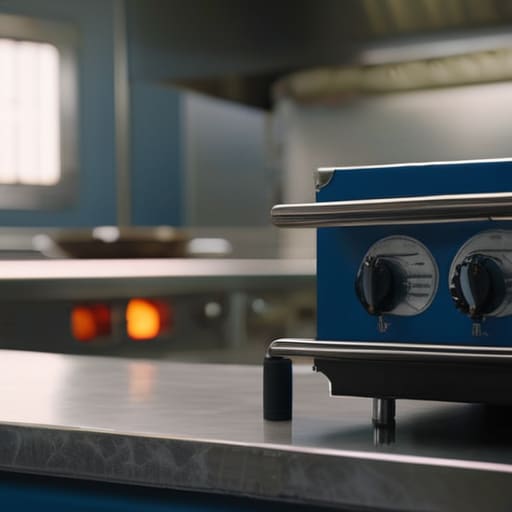
I’ve sat in too many staff rooms where the folder of “safety logs” is thick enough to prop up a wobbly table, yet the actual ovens are leaking gas or the pilot lights are dancing a dangerous jig. There is a massive difference between being compliant on paper and being safe in practice. You can have a perfectly filed binder, but if you haven’t prioritised your annual gas appliance inspection, that binder is just a collection of expensive-looking lies. In a busy school kitchen, the temptation is to treat the paperwork as the “real” job because it’s what an auditor sees first, but the equipment doesn’t care about your filing system.
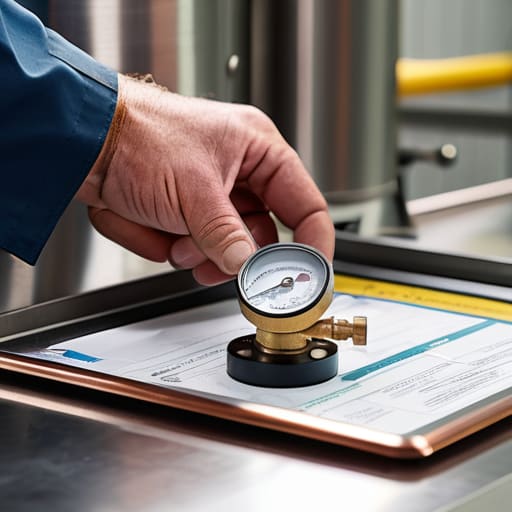
If you want to actually protect your staff and students, you need to stop obsessing over the administrative minutiae and ensure your engineer is actually checking the hardware. This means verifying gas engineer certification requirements before they even step through the service door. I don’t want to see a signed checklist that says “all good”; I want to see a report that proves the connections are tight and the ventilation is actually moving air. Real safety isn’t found in a cupboard full of forms; it’s found in the physical integrity of the machines you rely on every single day.
The Unglamorous Truth About Gas Leak Detection Methods
We need to talk about the difference between “feeling safe” and actually being safe. In a school kitchen, you’ll often see staff relying on their noses—the old-school method of sniffing for that rotten egg smell. I’ve walked into sites where the staff are convinced everything is fine because they can’t smell anything, but that’s a dangerous gamble. Relying on human senses is not a substitute for proper gas leak detection methods. If a leak is slow or the ventilation is just right, you won’t smell a thing until it’s far too late.
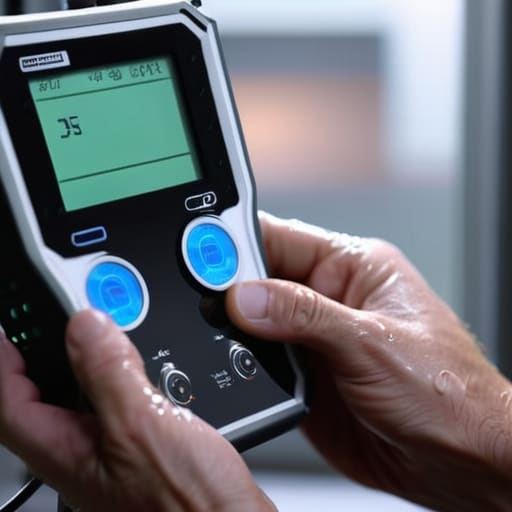
The real work happens with the tools you don’t see every day. It’s about the calibrated electronic detectors and the pressure tests that a qualified engineer runs during their visit. This isn’t just about finding a hole in a pipe; it’s about preventing carbon monoxide poisoning before a single burner is even lit. I don’t want to hear that you “checked the smell” during the morning rush. I want to see the record that shows your sensors are tested and that your equipment is actually capable of flagging a problem when the humans are too busy to notice.
Five Practical Habits That Keep a Kitchen Running Without a Gas Emergency
- Stop treating your gas logbook like a decorative object; if a technician has visited, the entry needs to be dated, signed, and actually reflect what they did, not just a series of identical ticks.
- Train your staff to recognize the “smell of suspicion”—it isn’t just rotten eggs, it’s that heavy, slightly sweet sensation in the air that tells you a seal is failing long before a sensor goes off.
- Make “the visual sweep” a non-negotiable part of the closing shift, where someone actually walks the line to check that all isolation valves are in the correct position and no burner flames are dancing orange.
- Don’t wait for a breakdown to call the engineer; schedule your preventative maintenance for those quiet Tuesday mornings when the lunch rush isn’t breathing down your neck, because a mid-service outage is when mistakes happen.
- Keep your gas shut-off valves clear of everything—I’ve walked into too many kitchens where a stack of empty crates or a heavy sack of flour is sitting right in front of the emergency lever.
The Bottom Line for Busy Kitchen Managers
Stop obsessing over a perfect filing cabinet if your actual gas appliances haven’t been touched by a professional in twelve months; a clean logbook won’t stop a faulty regulator from leaking.
Gas safety isn’t about a massive, expensive overhaul—it’s about the discipline of the small things, like making sure the person turning the knobs every morning actually knows what a “funny smell” should feel like.
If you can’t afford to do everything at once, prioritise the physical inspections and the daily checks; paperwork is just the evidence, but the maintenance is what actually keeps the building standing.
Frequently Asked Questions
If we’re already paying for an annual engineer visit, why am I still being told my staff need to do daily checks on the equipment?
Because an annual inspection is a snapshot, not a continuous shield. An engineer checks if the appliance is safe on a Tuesday in October; they aren’t there on a frantic Wednesday lunch rush when a nozzle gets knocked or a seal starts to perish. The engineer looks at the machine; your staff look at the usage. Daily checks catch the small, daily wear-and-tear that turns a minor fault into a kitchen-wide emergency before the next engineer arrives.
How do I know if my kitchen staff are actually spotting a leak, or if they're just walking past a smell because they're too busy to notice?
You’ll know they’re actually watching by how they react when you ask a specific, non-leading question. Don’t ask, “Is everything okay?” They’ll say yes every time. Instead, ask, “What’s the first thing you do if you catch a whiff of gas during the lunch rush?” If they pause and describe a procedure—shutting a valve, alerting you, opening a window—they’re paying attention. If they just shrug, they’ve tuned the smell out.
What’s the bare minimum I need to keep in my folder to prove I’m actually managing gas safety, without it becoming a mountain of useless paperwork?
Stop trying to build a library. If I walk into your kitchen, I don’t want to see a binder of every minor repair ever made; I want to see three things. First, your most recent Gas Safety Record from a competent engineer. Second, a clear log showing you’ve actually acted on any faults they flagged. Third, a simple schedule of when the next inspection is due. If you have those, you’re managing risk. The rest is just noise.