I’ve stood in too many school kitchens at 11:15 AM, watching a frantic cook stare at a broken induction hob while a line of hungry children stretches out the door, to believe the nonsense that a contingency plan needs to be a thick, laminated binder of complex recipes. Most of the “expert” advice on how to build a contingency menu is written by people who have never had to feed four hundred kids with half a team and a failing walk-in fridge. They suggest elaborate secondary menus that require specialized ingredients or extra prep time—the exact things you won’t have when the chaos actually hits.
I’m not here to give you a theoretical exercise or a list of expensive “backup” ingredients that will just sit in your dry store expiring. Instead, I’m going to show you how to build a safety net that actually works when your primary plan falls apart. We are going to focus on low-complexity, high-reliability meals that rely on your existing stock and minimal equipment. I’ll help you identify the specific “pivot points” in your service so you can maintain food safety and nutrition without breaking your staff in the process.
Table of Contents
Smart Menu Flexibility for Large Events
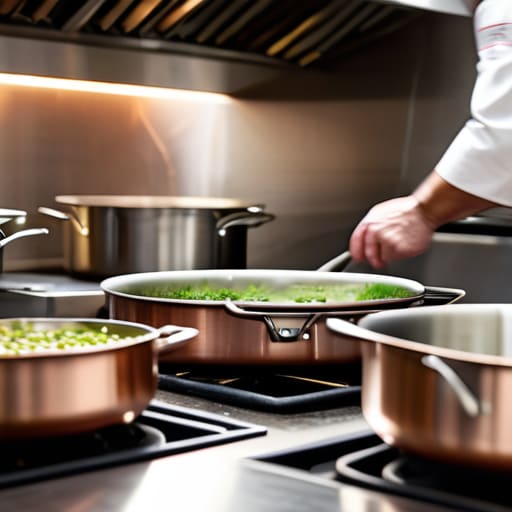
When you’re staring down a service for five hundred people, “flexibility” isn’t some vague culinary concept; it is your primary defense against a total system collapse. I’ve seen kitchens go from calm to chaos because they relied too heavily on a single piece of temperamental equipment, like a massive combi-oven that suddenly decides to quit mid-service. To avoid this, you need to build menu flexibility for large events into your original plan. This means designing your core menu so that if the oven fails, you aren’t left scrambling for a way to cook raw protein. Instead, have a subset of the menu that can pivot to a different cooking method—like moving from roasted to stovetop-based dishes—without requiring a complete rewrite of your prep list.
True resilience also means having a “Plan B” that doesn’t require heat at all. I always tell my teams to keep a list of no-cook meal alternatives on hand, such as high-quality deli salads, hearty grain bowls, or sophisticated sandwich platters. These aren’t just “emergency” foods; they are strategic assets. If you hit a snag with your kitchen equipment backup plans, these options allow you to keep feeding the crowd safely and professionally without the frantic, corner-cutting energy that usually leads to a massive food safety error.
Relying on Non Perishable Catering Options
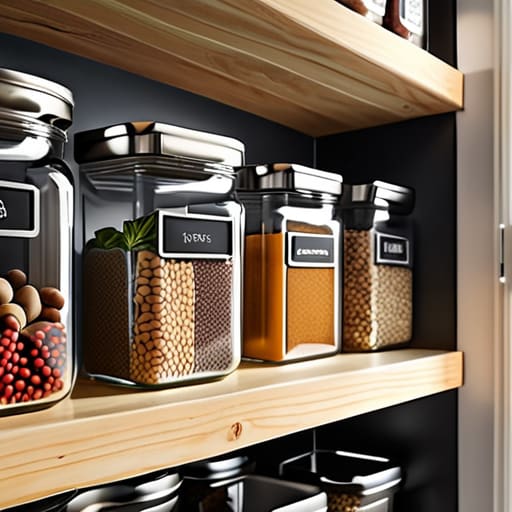
When the walk-in fridge starts humming a death rattle or the power cuts out mid-service, your priority isn’t gourmet; it’s stability. This is where having a stash of non-perishable catering options moves from being a “nice to have” to a genuine lifeline. I’ve seen kitchens panic because they were halfway through prepping fresh poultry when the supply chain or the electricity failed. If you have high-quality tinned proteins, dried grains, or shelf-stable pasta stocks already in the pantry, you aren’t just surviving—you’re maintaining a level of control that prevents a total operational collapse.
The trick isn’t just hoarding cans; it’s about how those items fit into your existing workflow. I always tell my teams to think about no-cook meal alternatives that require minimal heat to be safe. Think couscous that just needs hot water, or high-quality canned legumes that can be seasoned and served immediately. These items serve as your primary emergency food preparation for catering because they don’t rely on the very infrastructure that has just failed you. If you can’t trust your ovens or your refrigeration, don’t try to fight it—pivot to what is already safe.
Five Ways to Build a Safety Net That Won't Break Under Pressure
- Pick “modular” ingredients that work across multiple dishes. If your primary protein delivery fails or a supplier misses a window, you want a base of ingredients—like grains, pulses, or versatile vegetables—that can be pivoted into three different secondary meals without requiring a frantic, mid-service shop for niche items.
- Map your “low-skill” fallback meals. When the kitchen is short-staffed or a piece of equipment goes down, you can’t rely on complex, multi-stage recipes. Your contingency menu needs dishes that can be executed by a tired or skeleton crew using basic assembly rather than high-level culinary technique.
- Audit your allergen-safe defaults. A common mistake is having a backup menu that is a minefield for kids with allergies. Ensure your contingency options are inherently low-risk—think naturally gluten-free or nut-free staples—so you aren’t forced to make dangerous, split-second decisions about cross-contamination when things go wrong.
- Test your “cold-chain” alternatives. If your walk-in fridge starts acting up or a cooling unit fails, your contingency plan shouldn’t rely on more fresh produce. It should lean heavily on items that are shelf-stable or can be safely held at room temperature for the duration of a service window without breaching safety limits.
- Keep a “Dry Store” emergency kit. Beyond just pasta and rice, keep a small, rotating stock of high-quality, easy-to-prepare pantry items specifically for emergencies. If the delivery truck doesn’t show, you shouldn’t be staring at an empty larder; you should be reaching for the pre-planned “Plan B” stock you’ve already accounted for in your budget.
The Bottom Line: What Actually Matters When Things Go Wrong
Don’t build a “shadow menu” that requires more skill than your main one; if your team is already stretched, a contingency plan that demands complex prep is just a recipe for a cross-contamination error.
Prioritise “safe” ingredients—think stable, low-risk items that don’t rely on a perfect cold chain—so that if a fridge fails or a delivery is late, you aren’t forced to make a dangerous call under pressure.
Your contingency plan is useless if it isn’t written in plain English and kept where the staff can actually see it; it needs to be a practical tool for a busy kitchen, not a dusty folder in the manager’s office.
Frequently Asked Questions
If we switch to a contingency menu mid-service, how do we ensure the allergen information provided to students remains accurate and safe?
This is where things usually go sideways. If you pivot to the contingency menu mid-service, your old allergen signage is suddenly a liability. You cannot rely on “memory” when a kitchen is in chaos. You must have a printed, pre-vetted allergen matrix for the backup menu ready to go before the crisis hits. If it isn’t on the emergency sheet, it doesn’t go on the plate. No exceptions, no guessing.
How much extra storage space should I realistically set aside for these "emergency" ingredients without cluttering a kitchen that’s already bursting at the seams?
Look, I know the struggle. Your dry store is already a Tetris game of flour sacks and pasta boxes. Don’t try to stock a whole second pantry; you’ll just end up with expired stock and a tripping hazard. Instead, designate one single, specific shelf or a couple of heavy-duty stackable bins for your “contingency kit.” If it doesn’t fit in that designated zone, you’re overstocking. Keep it tight, keep it labelled, and keep it accessible.
Is it better to have a completely different menu ready to go, or just a few "safety" dishes that use ingredients we already have on hand?
Go with the “safety dishes.” A completely different menu is a recipe for disaster when you’re already under pressure; it introduces new allergens, new prep steps, and new stock to manage. If you try to pivot to an entirely new list, you’ll end up cutting corners somewhere. Pick three or four reliable, low-risk dishes using ingredients you already have in the pantry. It’s about reducing variables, not adding them.