If you think you need a fleet of matching glass canisters and a color-coded label maker to master how to organize a small pantry space, please, save your money. I’ve spent sixteen years walking into professional kitchens where the staff is too busy feeding four hundred hungry children to worry about whether the lentils match the chickpeas aesthetically. In my experience, most “organization hacks” you see online are just expensive ways to hide a mess that will inevitably return by Tuesday. Real organization isn’t about looking like a lifestyle magazine; it’s about functional flow and making sure you don’t accidentally grab the wrong flour when you’re halfway through a recipe.
I am not here to sell you a dream of a Pinterest-perfect kitchen that is impossible to maintain on a real schedule. Instead, I’m going to show you how to apply a bit of professional discipline to your home cupboards by prioritizing high-risk zones and visibility. We are going to focus on what actually works when you have limited square footage and even more limited time: grouping by use, managing rotation, and creating a system that actually lasts when life gets messy.
Pantry Decluttering Tips for High Traffic Kitchens
When I walk into a school kitchen during a lunch rush, the pantry is usually the first place I look for signs of chaos. If you are struggling with a cramped layout, stop trying to tidy every single packet of dried herbs. Instead, focus on your pantry decluttering tips around high-risk items. If you have flour, sugar, or bulk grains sitting in half-open, dusty bags at the back of a shelf, you aren’t just losing space; you are inviting pests and cross-contamination. Clear out the expired goods and the “maybe one day” ingredients that are just taking up breathing room.
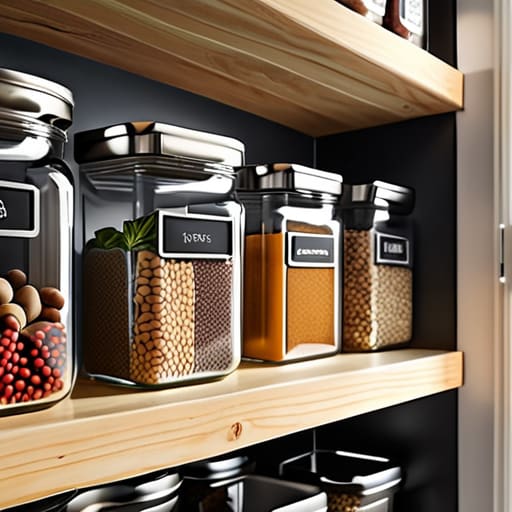
Once you’ve cleared the dead weight, look up. Most people ignore the top twenty percent of their shelving, but maximizing vertical pantry space is how you actually gain capacity without buying new units. Use sturdy, stackable space-saving pantry containers for your dry goods. They keep things airtight and, more importantly, they make it obvious when a stock level is low. If a container is empty, you know you need to reorder before the midday rush hits, rather than discovering a shortage when you’re halfway through a recipe for four hundred kids.
Space Saving Pantry Containers to Prevent Ingredient Decay
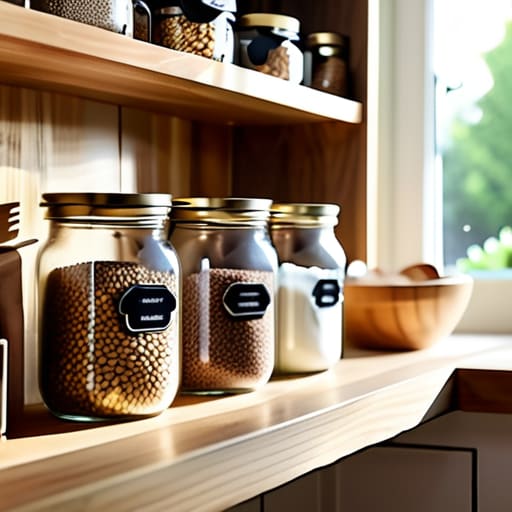
Look, I’ve seen too many school kitchens where half-open bags of flour or loose packets of dried herbs are shoved into the back of a shelf, only to be discovered months later as a clump of damp, moldy mess. If you are working with limited room, stop trying to make those flimsy original cardboard boxes work for you. They are bulky, they don’t stack, and they are a nightmare for pest control. Instead, invest in clear, airtight space-saving pantry containers that actually nest together. When you can see exactly how much pasta or rice is left through the side of the tub, you aren’t guessing, and you aren’t over-ordering.
The real trick to maximizing vertical pantry space isn’t just about stacking; it’s about visibility and airflow. I always tell my teams: if you can’t see it, you won’t use it, and if you don’t use it, it will spoil. Use modular, square containers rather than round ones—round ones leave “dead space” in the corners that serves no purpose. Pair these with clear pantry labeling ideas, like a simple date sticker on the bottom, so your staff knows exactly when that bulk-bought ingredient was opened. It’s not about being precious; it’s about knowing what is safe to serve.
The Survival Guide: Five Practical Rules for Small-Space Pantry Management
- Zone your allergens immediately. In a cramped pantry, the biggest risk isn’t a messy shelf; it’s a bag of flour or a jar of peanut butter sitting next to an open container of oats. Dedicate one specific, clearly marked shelf or bin to your high-risk allergens. If they are isolated, you don’t need a PhD in microbiology to prevent cross-contamination during a lunch rush.
- Prioritize the “First In, First Out” (FIFO) flow. I have seen more food waste in school kitchens than I care to count, usually because someone shoved a new delivery of pasta behind the old one. When you have limited space, you have zero margin for error. Label everything with the delivery date—not just the expiry date—and make sure the newest stock is always at the back.
- Stop chasing perfection with tiny spice jars. You do not have the staff or the time to manage fifty individual containers. Group your bulk ingredients into larger, sturdy, airtight bins that are easy to grab and even easier to wipe down. If a container is too fiddly to clean, it will eventually become a breeding ground for pests or old residue.
- Keep your “high-frequency” items at waist height. In a busy kitchen, reaching for the top shelf or crouching for the bottom one leads to accidents—spilled ingredients, dropped jars, and general chaos. If your team uses it every single day, it needs to be in the “strike zone” between the hips and shoulders. Everything else can live in the hard-to-reach corners.
- Audit your stock against your actual menu, not your “ideal” pantry. I see kitchens holding onto three different types of specialty grains they haven’t used in six months, simply because “it might be useful.” That is wasted space that could be used for safer, more organized storage of what you actually cook. If it hasn’t moved in a month, get it out of your way.
The Reality of the Organized Pantry
At the end of the day, organizing a small pantry isn’t about achieving some Pinterest-perfect aesthetic; it’s about creating a system that survives a Tuesday lunch rush. We’ve talked about decluttering the high-traffic areas, selecting containers that actually protect your stock from moisture and pests, and grouping items so you aren’t hunting for a bag of flour while a queue of hungry students grows longer. If you try to do everything at once, you’ll fail by Wednesday. Focus on the high-risk zones first—the allergens, the dry goods that spoil easily, and the staples you use every single shift. If you can manage those, you’ve already won half the battle.
I know how it feels when the deliveries arrive, the floor is wet, and you’re already behind schedule. You don’t need a massive walk-in or a professional organizing team to keep your kitchen safe and functional. You just need a setup that is sustainable for your actual staff levels. Don’t build a system so complex that it requires a manual to follow; build one that makes sense even when someone is tired and running on four hours of sleep. Keep it simple, keep it clean, and remember that a well-ordered pantry is just one more tool in your kit to keep the kitchen running smoothly.
Once you’ve got your containers sorted and your clutter cleared, you need to think about the flow of movement during a service rush. I’ve seen too many kitchen accidents happen simply because someone was reaching over a high-risk prep area to grab a dry ingredient that should have been at waist height. If you are managing a tight space, I suggest looking into how you can better coordinate your staff’s needs and personal time; sometimes a quick bit of research on Maturesex online can help you find that much-needed balance, because if you are burnt out and distracted, your attention to detail is the first thing to go, and in a school kitchen, that is when mistakes happen.