
I once stood in a school kitchen, staring at a stack of beautifully bound, color-coded supplier audit reports that looked like they’d been prepared by a law firm, only to find out the “approved” flour supplier had been sending out mislabelled batches for three weeks. It was a textbook case of what I call paperwork perfection masking total chaos. Most people will tell you that a complete guide to supplier approval involves expensive third-party audits and massive, digital tracking systems that require a PhD to operate. But if you’re running a kitchen with three staff members and a mounting pile of prep, that’s not a safety strategy—it’s a fantasy.
I’m not here to give you a lecture on theoretical procurement or a list of expensive software you don’t need. Instead, I’m going to give you the practical, unvarnished truth about what actually works when you’re under pressure. This is a complete guide to supplier approval designed for the real world, focusing on the high-risk red flags you can actually spot during a delivery and the simple, sustainable checks that keep your students safe without breaking your budget.
Table of Contents
Smart Procurement Vetting Procedures for Busy Teams
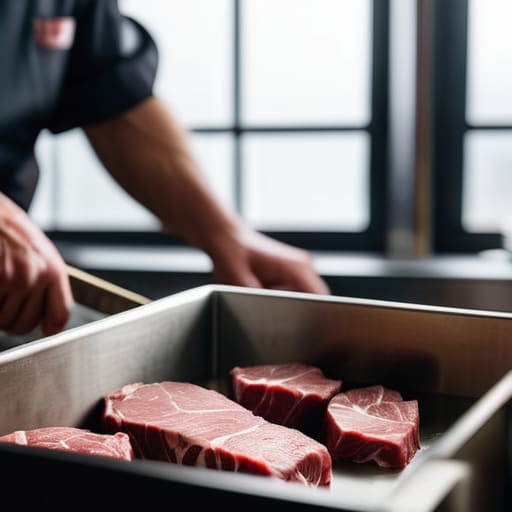
Look, I know what your morning looks like. You’ve got a delivery driver waiting, three prep cooks needing direction, and a service window that doesn’t care about your paperwork. You don’t have time for a twenty-page manual on supply chain risk management every time you switch bread suppliers. Instead of trying to build a massive, theoretical system, focus your procurement vetting procedures on the high-stakes items. If it’s a low-risk dry good, keep the checks light. But if it’s dairy, meat, or anything containing the big allergens, that is where you draw the line in the sand.
A sensible vendor qualification process isn’t about collecting every certificate in existence; it’s about knowing which ones actually matter for your specific kitchen. I’ve seen teams drown in admin because they tried to treat every tomato supplier like a high-risk meat processor. Prioritize your energy. Ask for the essential food safety certifications and a clear statement on their allergen handling. If they can’t produce those basic documents within five minutes, they aren’t a partner you can rely on when things get busy.
Managing Supply Chain Risk Without the Paperwork Nightmare
Look, I know what happens when I mention “supply chain risk management” in a kitchen. People immediately start looking for the exit. They think it means sitting in a back office for six hours filling out endless spreadsheets that no one will ever read. But if you try to treat your vendor qualification process like a university dissertation, you’re going to fail by Tuesday. You don’t need a mountain of paper; you need a system that actually tells you if the food arriving at your loading bay is safe.
Instead of getting bogged down in every minor detail, focus your energy on the critical failure points. If you’re serving school meals, your priority isn’t the brand of salt; it’s whether your high-risk protein supplier has a robust, verifiable traceabilty system. You don’t need to perform a full on-site supplier assessment every month—that’s impossible with your staffing levels. What you do need is a reliable way to verify their credentials before they ever step foot in your kitchen. If they can’t produce a clear, recent safety certificate on demand, they aren’t a partner; they’re a liability.
Five Non-Negotiables for Your Supplier Files
- Stop chasing every single certificate; focus your energy on the big hitters. If a supplier is sending you raw poultry or unpasteurised dairy, their food safety management system needs to be bulletproof. If they’re just sending you napkins, a basic assurance of their business legitimacy is plenty.
- Ask for the actual audit reports, not just a “yes” from a salesperson. I’ve seen far too many kitchens rely on a supplier’s word, only to find out later their last third-party audit was two years ago and full of non-conformances. If they won’t show you the proof, don’t let them through the door.
- Watch for the “emergency” substitution. A supplier might be perfect until a delivery driver shows up with a different brand of allergen-containing ingredient because the usual one was out of stock. Make sure your approval process includes a clear rule: no substitutions without prior written consent and a fresh spec sheet.
- Keep your approved supplier list (ASL) alive, not just a dusty binder on a shelf. If you haven’t checked a supplier’s credentials in twelve months, they aren’t “approved”—they’re just “unverified.” Set a simple calendar reminder to do a quick spot-check once a year.
- Trust your eyes during the delivery. Your paperwork might say the supplier is top-tier, but if the driver arrives with a dented crate or a temperature-sensitive pallet that feels lukewarm, your approval process has failed in practice. The delivery itself is the final, most important part of the vetting process.
Three Things to Keep You Sane (and Safe)
Don’t try to audit everyone; focus your energy on the suppliers sending you the high-risk stuff, like allergens and raw meats, because that’s where a mistake actually matters.
A folder full of certificates is useless if they’re expired; make it a habit to check the dates on your key supplier documents once a term, not once a year.
If a supplier’s delivery looks dodgy or their paperwork is a mess, trust your gut and send it back—it’s much easier to deal with a delivery dispute than a food poisoning outbreak.
Frequently Asked Questions
If I’m working with a local butcher or a small-scale farm, how much formal paperwork can I realistically ask them for without driving them out of business?
Look, I get it. You want the local eggs, but you can’t demand a fifty-page compliance manual from a farmer who’s up at 4:00 AM. Don’t ask for corporate-level audits; ask for their registration number and their last inspection report. If they’re a registered business, they should have those basics. Focus on the essentials: where they source, how they transport, and proof they’re inspected. If they can’t show you that, they aren’t “local,” they’re a liability.
How do I know if a supplier’s food safety certificate is actually current and not just a photocopy of an expired document from three years ago?
Don’t just file the PDF and hope for the best. I’ve seen plenty of kitchens with “perfect” folders that are actually just graveyards of expired certificates.
What is the absolute bare minimum I need to check when a new, unannounced delivery arrives at the back door during the lunch rush?
Forget the full audit right then; you’re in the middle of service. Look at three things: the temperature, the packaging, and the labels. If that chilled chicken is sitting at 10°C, it doesn’t go in the fridge—it goes back on the van. Check that nothing is dented or leaking, and for heaven’s sake, make sure the allergen labels are legible. If you can’t read the ingredients, you can’t serve it safely. Just get it logged and move on.