I’ve sat in too many school kitchens where the “complete guide to vegetarian and vegan menus” being handed out by consultants looks more like a luxury lifestyle magazine than a practical manual for a busy service. They talk about exotic meat substitutes and expensive, niche ingredients that cost more than the rest of your weekly order combined. But I’ve seen what happens when you try to implement a high-concept plant-based menu with a skeleton crew and a budget that barely covers the basics; it usually ends in chaos and cross-contamination risks that no amount of fancy plating can hide.
I’m not here to sell you on a culinary revolution or tell you to buy equipment you don’t have the space for. Instead, I’m going to give you a realistic, boots-on-the-ground approach to managing plant-based options without losing your mind or your food safety rating. We are going to focus on the small, boring things that actually matter: managing allergen separation, ensuring nutritional density on a budget, and creating workflows that your staff can actually sustain when the lunch rush hits.
Table of Contents
Preventing Cross Contamination With Meat Alternatives for Beginners
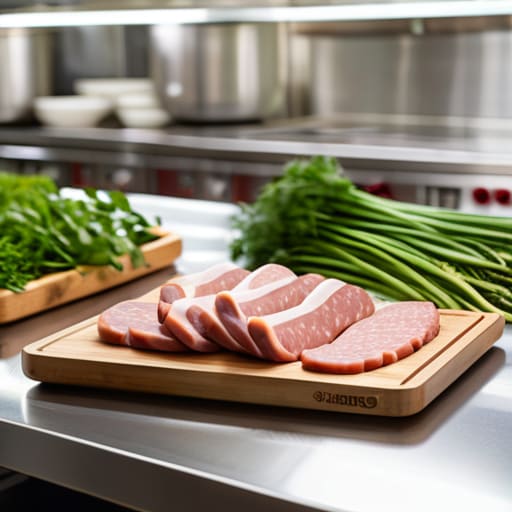
When you start introducing meat alternatives for beginners into a busy kitchen, the biggest mistake isn’t the ingredients themselves—it’s the assumption that “plant-based” automatically means “low risk.” I’ve seen too many staff treat a pack of soy sausages like a vegetable, tossing them onto the same prep surface used for bacon. If you are transitioning to plant-based eating on a large scale, you have to treat these processed substitutes with the same level of segregation as your raw meat. It’s not about being difficult; it’s about preventing a cross-contact incident that could land you in a courtroom.
You don’t need a separate, dedicated vegan kitchen to make this work, but you do need a logical flow. If you’re working through your plant-based meal prep ideas for the week, ensure your colour-coded boards are actually being used. I always tell my teams: if the vegan protein is sitting next to the unwashed poultry because the prep station is cramped, you’ve already lost the battle. Focus on clear physical separation during the most chaotic windows of service, and you’ll manage the risk without needing a massive increase in headcount.
Sustaining Balanced Vegetarian Nutrition Without Overwhelming Your Staff
When I walk into a school kitchen, I’m not just looking at whether the food is safe; I’m looking at whether the menu is actually doing its job. If you’re serving a hundred kids a “vegetarian” meal that is essentially just pasta with tomato sauce, you aren’t providing balanced vegetarian nutrition—you’re just filling them up with empty carbohydrates. The goal isn’t to turn your staff into nutritionists overnight, but to ensure that the meals they are already prepping actually support growth and energy levels.
The secret to doing this without causing a meltdown during the lunch rush is to focus on simple, reliable vegan protein sources that require minimal extra handling. Instead of trying to master complex new recipes, think about how you can fortify what you already make. Adding a scoop of red lentils to a bolognese or swapping a side of cheese for a handful of chickpeas is a small, manageable change. It’s about making sure the macronutrients in plant diets are hit through smart substitutions rather than adding ten extra steps to a prep list that is already stretched thin.
Five Practical Controls for Managing Plant-Based Menus
- Label your substitutes clearly—don’t just rely on staff ‘knowing’ that the soy mince is different from the beef; if it isn’t labelled, it’s a risk.
- Create a dedicated ‘vegan prep’ window or station if you can’t afford separate equipment, because trying to chop tofu next to a raw chicken breast in a rush is how mistakes happen.
- Watch your oils and fats; a ‘vegan’ dish becomes a nightmare for someone with a dairy allergy if you’ve used the same pan for buttered toast and sautéed vegetables.
- Simplify your allergen matrix for meat alternatives, as many processed vegan products contain hidden allergens like soy, wheat, or nuts that staff might overlook.
- Audit your storage hierarchy by keeping plant-based ingredients on higher shelves, ensuring that any accidental drips from meat or dairy above won’t contaminate your vegan stock.
The Bottom Line for Your Kitchen
Don’t let “plant-based” become a synonym for “uncontrolled.” If you’re introducing meat alternatives, you need a dedicated workflow—separate boards, specific utensils, and clear storage—otherwise, you’re just inviting an allergen incident to happen during the lunch rush.
Nutrition doesn’t have to be a headache for your team. Focus on simple, repeatable additions like legumes or fortified grains that fit into your existing prep routine rather than trying to source complex, expensive “superfoods” that your staff won’t know how to cook.
Practicality beats perfection every time. I’d rather see you nail the temperature logs and cross-contamination controls on five core vegetarian dishes than see you struggle to manage a massive, complicated menu that leaves your kitchen staff prone to mistakes.
Frequently Asked Questions
How do I handle the paperwork for vegan meals when my suppliers keep changing their ingredient lists?
This is where the “paperwork” stops being a chore and starts being your shield. If your suppliers are swapping ingredients, your current spec is useless. Stop relying on old printouts. You need a “living” allergen folder. Every delivery must be checked against your master list before it hits the dry store. If the label changed, the folder changes. It’s a pain during a busy morning, but it beats an anaphylaxis call at lunchtime.
What’s the safest way to store plant-based milks and meat substitutes alongside dairy and meat in a cramped fridge?
In a cramped fridge, hierarchy is your best friend. I don’t care how tight the space is; you cannot risk a leak from a raw chicken container dripping onto a carton of oat milk. Store your meat and dairy on the bottom shelves, strictly separated. Keep your plant-based milks and meat substitutes on the top shelves or in dedicated, clearly labelled bins. If you can’t separate them by shelf, separate them by container.
If I'm running a short-staffed kitchen, what are the absolute non-negotiable cleaning steps when switching from a meat-heavy prep to a vegan one?
If you’re short-staffed, don’t try to scrub the walls. Focus on the “high-touch” transition. First, clear the surfaces and swap your boards—no exceptions. Second, sanitise your utensils, especially those slicers or tongs that might have touched animal proteins. Finally, check your prep bowls. It’s not about a deep clean; it’s about ensuring a stray bit of bacon fat doesn’t end up in a vegan Bolognese. Keep it surgical, not exhaustive.