I once stood in a school kitchen during a mid-morning rush, watching a frantic chef try to prep a “gourmet” three-course lunch for two hundred kids using a recipe that required six different chopping boards and a dozen specialized ingredients. The air smelled of scorched sauce and pure, unadulterated stress. That’s when I realized that most “complete guide to menu planning” resources are written by people who have never had to serve a hundred meals in a twenty-minute window with only two sets of hands. They talk about culinary aesthetics and complex flavor profiles, but they completely ignore the physical reality of your kitchen’s workflow and your staff’s actual capacity.
I’m not here to teach you how to win a Michelin star; I’m here to help you build a menu that actually works when the pressure is on. This isn’t a lecture on food trends; it is a practical framework designed to help you prioritize high-risk controls and manageable prep cycles. I will show you how to plan a menu that respects your budget, protects your students from allergens, and—most importantly—is something your team can actually sustain without breaking.
Table of Contents
Seasonal Ingredient Selection and Budget Friendly Grocery Shopping
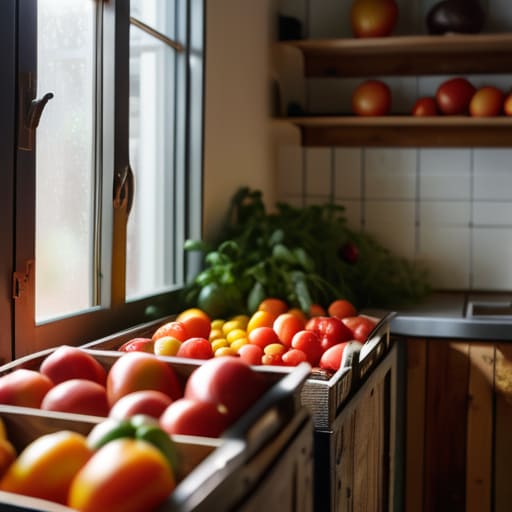
When I walk into a school kitchen, I don’t look at the fancy imported produce first; I look at the crates of what’s actually in season. If you are trying to feed hundreds of kids on a shoestring, fighting against the seasons is a losing battle that kills your budget and your staff’s morale. Seasonal ingredient selection isn’t just a culinary trend; it’s a practical defense against price volatility. When you lean into what is growing locally and abundantly, you aren’t just saving money—you’re often getting produce that hasn’t spent three days in a refrigerated truck, which means it lasts longer in your stores and reduces waste.
The trick to making this work without losing your mind is integrating it into your budget-friendly grocery shopping habits. I tell my trainees: stop trying to shop for a static list every single week. Instead, build a loose framework that allows for flexibility. If the price of broccoli spikes because it’s out of season, your menu should have the wiggle room to swap it for frozen peas or seasonal spinach without needing a complete overhaul of your prep sheets. It’s about building a system that survives the reality of a fluctuating market.
Menu Rotation Systems That Actually Save Your Sanity
If you’re trying to invent a brand-new menu every single Monday, you’re setting yourself up for a breakdown. I’ve seen kitchens where the staff is so exhausted by the mental load of “what are we making today?” that they start cutting corners on the boring stuff—like checking the fridge temps or double-checking the allergen labels. You don’t need a culinary masterpiece every day; you need a predictable rhythm. Implementing structured menu rotation systems—say, a four-week cycle—is the only way to stay ahead of the chaos. It allows your team to master the prep for specific dishes, meaning fewer mistakes and less waste when the lunch rush actually hits.
The secret isn’t just repeating the same meals, but grouping your tasks. When you use consistent weekly meal scheduling techniques, you can align your heavy prep days with your most complex menu items. If Tuesday is always your “from-scratch” pasta day, your staff knows exactly what the workload looks like before they even clock in. This predictability is what keeps a kitchen safe; when the workflow is steady, the focus stays on the food, not just on surviving the shift.
Five Ways to Plan a Menu That Won't Break Your Kitchen
- Map your prep to your staff levels. If you’re running a short-staffed Tuesday, don’t put a dish on the menu that requires three different types of knife work or a complex sauce. If the menu is too ambitious for the hands you have on deck, something will get missed—usually a temperature check or an allergen label.
- Design for “cross-utilization” without creating a cross-contamination nightmare. It’s smart to use spinach in both a pasta dish and a salad to save money, but you have to be honest about the risk. If you’re prepping them at the same time in a cramped space, you’re just asking for an allergen error or a bacterial slip-up.
- Build in “buffer dishes” for when the delivery doesn’t show up. I’ve seen too many kitchens panic when the fresh fish arrives late or looks questionable. Always have a high-quality, shelf-stable fallback that meets your nutritional standards so you aren’t making desperate, high-risk decisions mid-service.
- Prioritize “low-touch” high-risk items. If you can serve a meal that relies more on controlled oven temperatures and less on intricate, hand-finished assembly, do it. The less time a high-risk ingredient spends sitting out on a prep table while a chef struggles with a complicated garnish, the safer your kitchen remains.
- Audit your menu against your allergen matrix every single time. Don’t just assume the new brand of stock you bought is “the same” as the old one. If you change a single ingredient in a recipe to save a few pence, you have to re-verify the whole thing. A menu plan isn’t just a list of food; it’s a list of controlled risks.
The Reality Check: Three Things to Take Away
Stop trying to be fancy when you’re short-staffed; a menu that relies on complex, multi-stage prep is a recipe for a cross-contamination disaster.
Use your menu to dictate your workload, not the other way around—plan your high-risk allergen items for when your team actually has the headspace to manage them.
Consistency beats variety every time; a predictable menu rotation allows your team to master the safety controls for each dish until they become second nature.
Frequently Asked Questions
How do I balance a seasonal, budget-friendly menu with the strict allergen requirements we have to meet for specific students?
The mistake I see most often is trying to create “special” separate meals for every allergy. That’s a recipe for a cross-contamination disaster when the lunch rush hits. Instead, build your seasonal menu around “safe” foundations. If you’re using seasonal veg, make sure the base sauce is naturally free from the big allergens. It’s much easier to add a specific protein or cheese at the end than it is to try and deconstruct a dish when you’re already behind schedule.
If we are using a menu rotation system to save time, how do I make sure we aren't just repeating the same high-risk dishes too often?
It’s a fair concern. If your rotation leans too heavily on the same “safe” staples—like chicken pasta or beef stew—you’re inadvertently creating a high-risk loop. I suggest mapping your rotation against a risk matrix. If a high-risk dish (think complex allergens or intensive temperature controls) lands on a Monday, don’t let another one hit until Thursday. Balance your “heavy” prep days with simpler, low-risk options to give your staff breathing room to actually manage the controls.
We have a very small team; which parts of the menu planning process are non-negotiable for food safety, and which ones can we realistically simplify?
Look, if you’re short-staffed, stop trying to be a Michelin star kitchen and start being a safe one. Non-negotiable? Allergen management and temperature control. You cannot “simplify” knowing what’s in a sauce or ensuring the chicken is cooked through. Those are your hard lines. What you can simplify is the complexity of the prep. Swap a dish requiring five different knife skills for one that uses pre-prepped, high-quality ingredients. Reduce the moving parts, not the safety checks.