I remember standing in a school kitchen three years ago, watching a stressed midday supervisor try to mash a tray of roasted carrots for a child with dysphagia while the lunch bell was already ringing. She was using a standard fork, sweating, and looking at me like I was about to hand her a ticket rather than a helping hand. Most people think a complete guide to texture modified diets needs to be a thick, expensive manual filled with clinical jargon and high-tech equipment, but that’s nonsense. In a real kitchen, with real people and very real time constraints, you don’t need a textbook; you need a system that actually works when the service gets chaotic.
I’m not here to give you a lecture on the molecular structure of purees. Instead, I’m going to give you the practical, hard-won controls that prevent choking incidents without turning your kitchen into a laboratory. This is my no-nonsense approach to managing consistency, preventing cross-contamination, and ensuring that every modified meal is both safe and actually edible. I’ll tell you what you can realistically achieve with the staff you have, and more importantly, where you cannot afford to cut corners.
Table of Contents
Mastering Iddsi Framework Levels Without the Chaos
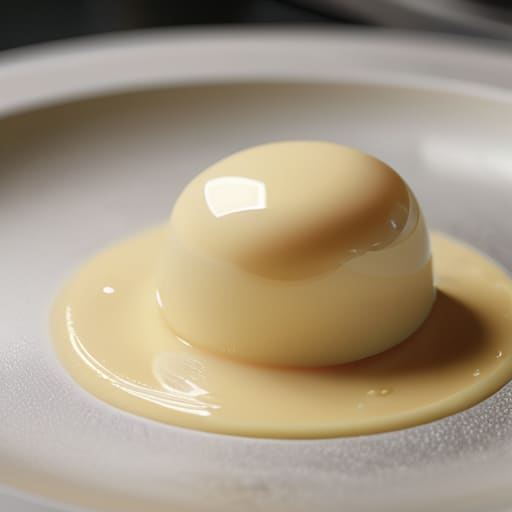
Let’s be honest: when you first look at the IDDSI framework levels, it feels like you’ve been handed a chemistry textbook instead of a kitchen manual. It’s overwhelming. But here is the reality of dysphagia management strategies in a busy service: you aren’t aiming for perfection on paper; you are aiming for consistency on the plate. If a Level 4 puree is suddenly grainy because the blender wasn’t run long enough, that’s not just a “consistency error”—it’s a high-risk choking hazard.
To stop the chaos, stop treating IDDSI like a suggestion and start treating it like a strict recipe. You need to integrate food consistency testing into your standard prep routine. I don’t want to see a staff member guessing if a mash is “smooth enough”; I want to see them using the standardized testing tools—the forks, the spoons, the straws—every single time. If you are short-staffed during the lunch rush, you might skip a garnish, but you cannot skip the test. It is the only way to ensure that what leaves the pass is actually safe to swallow.
Food Consistency Testing Small Checks for Big Risks
I’ve seen it happen a dozen times: a kitchen team is rushing to get lunch out to thirty students, the tray is ready, and they assume that because the food looks soft, it is soft. That’s where the danger lies. You cannot rely on a visual check. If you are managing dysphagia, your eyes will lie to you, but your fork won’t. I always tell the teams I train that food consistency testing isn’t an extra chore; it is the only thing standing between a safe meal and a choking incident.
Don’t get bogged down in over-complicated science, but do get disciplined. If you’re working within the IDDSI framework levels, you need to actually use the tools—the forks, the spoons, the sip testers. If a puree is too lumpy or a liquid hasn’t reached the right viscosity according to your thickened liquids guidelines, it doesn’t go out. Period. It is much easier to deal with a frustrated student waiting an extra minute for a meal than it is to deal with the fallout of a near-miss aspiration. Stick to the testing, even when the clock is ticking.
Five Non-Negotiables for a Safe Texture-Modified Service
- Stop relying on “eye-balling” it. I’ve seen too many chefs think a mash looks smooth enough when it’s actually full of lumps that could cause a choking incident. If it’s meant to be Level 4, use a sieve or a blender every single time; don’t trust your eyes when you’re in the middle of a lunch rush.
- Colour-code your equipment immediately. If you are using the same whisk or spoon for standard gravy and then for a Level 3 thickened liquid, you are asking for trouble. Get specific, dedicated utensils for modified diets so there is zero chance of cross-contamination or accidental texture mixing.
- Watch out for the “hidden” thickeners. Many of the pre-packaged thickening agents behave differently depending on the temperature of the food. A liquid might look perfect when it’s boiling, but if it thins out as it sits on the pass, it’s no longer safe for the person you’re serving.
- Documentation isn’t just for me; it’s for your staff. If a child or resident has a specific IDDSI requirement, that needs to be visible and impossible to miss on the plating station. A sticky note that falls off or a handwritten note that gets smudged is a massive risk you don’t need.
- Prioritise the “Double-Check” at the point of service. Before that plate leaves the kitchen pass, someone—and I mean someone—needs to verify that the consistency matches the dietary requirement on the ticket. It takes five seconds, but it’s the difference between a successful meal and a medical emergency.
The Bottom Line: What Actually Matters When the Lunch Rush Hits
Don’t let the IDDSI terminology intimidate you; focus on the physical reality of the food. If it doesn’t pass the fork pressure test or the spoon tilt test, it doesn’t go on the tray, no matter how much you’ve rushed to get it out.
Consistency is your only real safety net. A puree that is perfect at 11:30 AM can turn into a dangerous, sticky paste by 12:15 PM if it sits under a heat lamp, so check your textures right before service, not just when you first cook them.
You cannot fix a bad texture with a garnish or a sauce. If the base ingredient isn’t processed to the correct level, adding a liquid to “thin it out” is a recipe for disaster—you need to be working with the right equipment from the start to ensure it’s safe and sustainable.
Frequently Asked Questions
If I’m running a skeleton crew during the lunch rush, what is the absolute bare minimum I can check to ensure a puree is safe without slowing down service entirely?
If you’re down to a skeleton crew, stop trying to do everything and focus on the one thing that kills: lumps. You don’t have time for a full audit, but you absolutely must do a visual and tactile “fork pressure” check on every single batch of puree before it hits the pass. If it isn’t smooth, it doesn’t go out. It takes ten seconds, but it’s the difference between a safe meal and a choking incident.
How do I handle a situation where a student or resident insists on eating "normal" food even though their care plan clearly mandates a specific IDDSI level?
This is where the paperwork meets the reality of human stubbornness. Look, I get it—nobody wants to feel like they’re eating baby food. But as an inspector, I’ve seen how quickly a “small exception” turns into a choking incident. You can’t negotiate with physics. If the care plan says Level 4, you serve Level 4. Be firm, explain the why—focus on the safety, not the rules—and document the refusal immediately. Don’t let a bit of social pressure override a clinical necessity.
My equipment is aging and sometimes inconsistent—how do I know if my blender is actually producing a safe Level 4 puree or if it’s leaving behind dangerous lumps?
If your blender is acting up, you cannot trust the “look” of the puree alone. When equipment starts to fail, you lose that silky, uniform consistency that defines a safe Level 4. Don’t just eyeball it. Use a fine-mesh sieve as your fail-safe; if anything passes through it with resistance or leaves a lump behind, your blender isn’t doing its job. It’s a tedious extra step, but it’s better than a choking incident.