I remember standing in a small care home kitchen three years ago, watching a tired midday cook try to “eyeball” a puree for a resident with known dysphagia. She wasn’t being careless; she was just trying to get through a service with two staff members short and a mountain of dishes. But when I saw that lumpy, inconsistent mash, my stomach dropped. Most training manuals make you think understanding how texture modified diets work requires a degree in clinical nutrition or a bank account full of expensive thickening agents, but that’s nonsense. In reality, it’s about the unforgiving physics of how a person swallows, and if your consistency is off by even a fraction, you aren’t just serving a bad meal—you’re creating a choking hazard.
I’m not here to give you a lecture or a list of expensive gadgets you don’t have the budget for. My goal is to strip away the jargon and show you the practical mechanics of texture modification that actually keep people safe. I’ll tell you exactly where you can afford to be precise and where you need to tighten your controls, focusing on the small, repeatable habits that prevent incidents when the kitchen gets chaotic.
Table of Contents
Mastering Iddsi Framework Levels Without Losing Your Mind
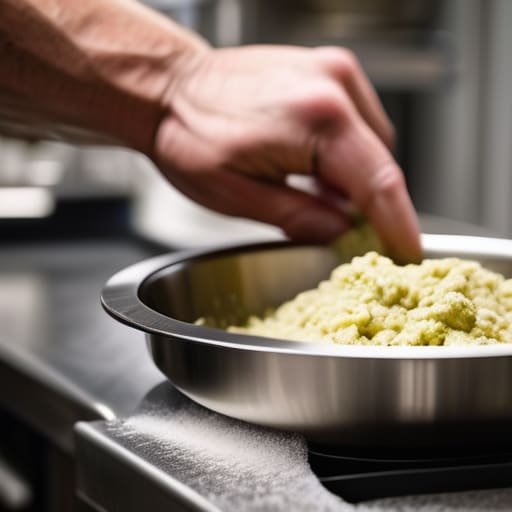
Look, I know the IDDSI framework levels look like a math exam when you first see them printed on a laminated sheet in the kitchen. It’s overwhelming. But when you’re in the middle of a lunch rush, you can’t be second-guessing whether a mash is “Level 4 Pureed” or “Level 5 Minced and Moist.” You need a system that works when the printer breaks or the new prep cook is running ten minutes behind.
The secret isn’t memorising every single technical definition; it’s about standardising your tools. If you are managing swallowing difficulties, you cannot rely on “eye-balling” a consistency. I tell every kitchen I visit: invest in the right sieves and dedicated spoons. If your staff are using the same spoon for a standard gravy and a thickened liquid, you’ve already lost the battle.
When it comes to dysphagia meal preparation, consistency is your only real safety net. Don’t try to reinvent the wheel with every plate. Pick a reliable brand of food thickening agents that your team understands, and make sure the training focuses on the result—the fork pressure test—rather than just the jargon. It’s about making the safety check a habit, not a chore.
Pureed vs Minced Diets Choosing What Your Staff Can Sustain
Here is the reality of a busy service: there is a massive, practical difference between a pureed diet and a minced and moist diet, and it isn’t just about the texture on the plate. A pureed meal is often easier to standardise because you can rely on a high-powered blender to do the heavy lifting, ensuring consistency across the board. However, if your team is already stretched thin, trying to achieve the perfect, lump-free consistency for every single plate can become a bottleneck that leads to rushed, unsafe results.
On the other hand, dysphagia meal preparation involving minced diets requires much more manual precision. You aren’t just blending; you are checking that every single piece of protein or vegetable is small enough and moist enough to be swallowed safely. This is where I see things slip. When the lunch rush hits, staff might skip the “fork pressure test” because they are chasing the clock. If you can’t guarantee that every minced portion meets the required IDDSI framework levels, you are better off sticking to a more controlled pureed approach. It is better to serve a consistent puree than a “minced” meal that accidentally contains a single, dangerous chunk.
Five Ways to Stop Texture Modification from Becoming a Safety Nightmare
- Stop relying on “looks right” and start using the fork test. I’ve seen too many staff members eyeball a puree and think it’s fine, only to realize later it’s too lumpy for a safe swallow. If the fork doesn’t mash it with consistent, easy pressure, it isn’t ready to serve. Period.
- Standardise your thickening agents. If one person is using a spoonful of starch and another is using a heavy hand with a commercial thickener, your consistency is going to swing wildly. Pick one method, train everyone on that specific measurement, and stick to it so the liquid behaves the same way every single time.
- Watch out for “hidden” textures in sauces. You can have a perfectly minced chicken, but if you pour a thin, watery gravy over it, you’ve just created a high-risk meal. The liquid and the solid have to move together; if the sauce is too thin, it will race ahead of the food and cause a choke.
- Colour and contrast aren’t just for aesthetics; they are safety tools. When everything on a plate is a beige, blended mush, it’s incredibly hard for a carer or a student to see what they are actually eating. Try to keep your components visually distinct so you can actually monitor how much is being consumed.
- Don’t let the “rush” bypass the cooling phase. If you’re serving hot purees straight from the blender, they can be dangerously inconsistent in temperature—hot spots can hide in thick textures. Let things settle and check that they are uniform before they hit the tray.
What You Need to Carry Out of This Kitchen
Don’t guess the texture; if the IDDSI test fails, the meal is a hazard, no matter how much time you’re under pressure to serve.
Consistency is your real safety net—it is better to serve a slightly more liquid puree reliably than to attempt a complex mince that your staff can’t replicate every single time.
Documentation isn’t just for the auditors; it’s your proof that the specific texture required for a specific child was actually checked before it left the pass.
Frequently Asked Questions
How do I know if my staff are actually checking the consistency correctly, or just assuming it's fine because it looks right?
If you’re just eyeballing it, you aren’t checking it—you’re guessing. And in a kitchen serving vulnerable people, guessing is where the accidents happen.
If we are short-staffed during a lunch rush, what is the one non-negotiable check we can't skip for texture-modified meals?
If you’re mid-rush and the kitchen is red-lining, don’t let your team skip the fork pressure test. I don’t care how much you trust your chefs or how long they’ve been there; you cannot rely on “looks right.” A meal that looks like a smooth puree can still be dangerously lumpy or gluey. One quick, physical check of the consistency against the IDDSI standard is the only thing standing between a successful lunch and a choking incident.
What's the best way to handle "hidden" risks, like when a thickened liquid starts to thin out because it's been sitting under a heat lamp for too long?
That’s exactly the kind of “small, boring” detail that causes a crisis. Heat lamps are the enemy of consistency; they break down the thickening agents. If you’re running a short crew, don’t try to serve everything from a large, heated buffet. Instead, portion liquids into smaller containers and only pull what you need for the next ten minutes. If it’s sitting there long enough to thin out, it’s already too late to serve it safely.