I’ve spent more years than I care to admit standing in the middle of noisy, steam-filled school kitchens, watching staff scramble to plate up hundreds of meals while the clock ticks mercilessly toward the lunch bell. I’ve seen the “expert” consultants come in with their glossy brochures and their expensive, high-concept theories about “sensory engagement” and “gastronomic branding,” and frankly, it makes my skin crawl. If you think a fancy new menu layout or a high-tech ordering app is the secret to a complete guide to increasing meal uptake, you’re chasing ghosts. The reality is much more unglamorous than that; it’s about the small, practical shifts in how food is presented, how it smells when that door opens, and whether it actually looks like something a child would want to eat.
I’m not here to give you a lecture or a list of impossible ideals that will crumble the moment you’re short-staffed on a Tuesday. Instead, I’m going to give you the honest, boots-on-the-ground version of what actually works when you’re working with a tight budget and a limited team. This isn’t a theoretical manual; it is a practical roadmap focused on the high-impact habits that drive real results.
Table of Contents
Menu Engineering for Higher Uptake Without Breaking Your Staff
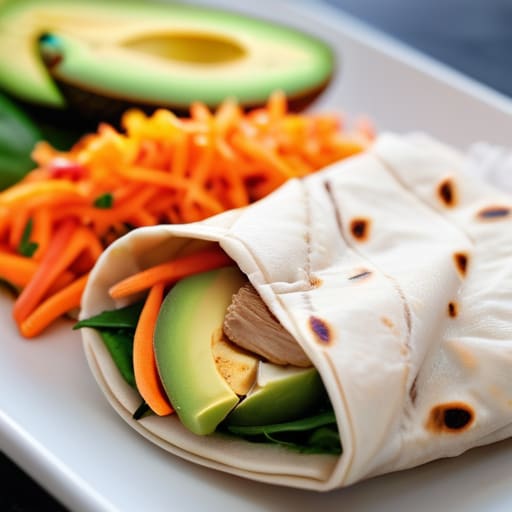
You don’t need a Michelin star or a massive budget to get kids eating; you need a menu that doesn’t fight your staff every single morning. I’ve seen too many managers try to implement complex, multi-component dishes that look great on paper but fall apart when you’re trying to plate four hundred meals in a twenty-minute window. When the service is frantic, quality drops, the food goes cold, and your students notice immediately. Real menu engineering for higher uptake is about finding that sweet spot where the prep is manageable and the final product actually looks like something a teenager would want to touch.
Focus on “component cooking” rather than complex recipes. Instead of a heavy, unified casserole that’s hard to portion and even harder to keep at the right temperature, think in terms of high-quality proteins, reliable starches, and fresh, recognizable sides. This approach is one of the most effective nutritional compliance strategies because it allows you to hit your targets without creating a mountain of prep work that leads to burnout. If you can keep the assembly line moving smoothly, the food stays better, the staff stays sane, and you’ll see those participation numbers start to climb naturally.
Behavioral Nudges in Food Service That Actually Work
Forget the complex psychological studies you’ll find in academic journals; in a busy school dining hall, behavioral nudges in food service come down to how easy you make it for a hungry kid to make the right choice. If the fruit is buried in a plastic crate at the bottom of a stack, they aren’t going to grab it. They’re going to grab the easy carb. I’ve seen it a thousand times. If you want to see real results in improving meal participation rates, you have to treat your serving line like a retail space. Put the colorful, fresh items at eye level and right at the start of the flow. It’s not about tricking them; it’s about removing the friction that leads to poor choices.
We also need to talk about how we present the “boring” stuff. If a dish sounds like something from a hospital ward, it’s dead on arrival. Instead of just listing ingredients, use descriptive language that actually sounds edible. It’s a small shift, but it’s one of those low-effort, high-impact habits that can actually drive engagement without requiring a massive budget overhaul.
The Practical Essentials: Five Small Wins for Better Uptake
- Stop overcomplicating the menu and just focus on the “Hero Dish.” If you have one meal a week that students actually look forward to, they’ll be more willing to try the sensible, nutritious stuff on the other days. It’s about building a reputation for reliability, not a rotating gallery of experimental ingredients.
- Temperature isn’t just a safety control; it’s a taste control. I’ve seen perfectly good food go to waste simply because it was served lukewarm. If the hot food is actually hot and the salads are actually crisp, you’ve already won half the battle.
- Make the “good stuff” the easiest thing to grab. If your fruit is tucked away in a plastic container at the back of the line, nobody is going to reach for it. Put it right where they’re standing, eye-level, and ready to go. Convenience drives choices more than any nutrition lecture ever will.
- Simplify your allergen labelling so it doesn’t look like a legal disclaimer. If a student has to squint at a tiny, handwritten note to figure out if a dish is safe, they’ll just skip it. Clear, bold, and consistent signage builds trust, and trust leads to more people feeling comfortable eating your food.
- Use your staff, but don’t burn them out. Your kitchen team are your best advocates. If they’re happy and they actually believe in the food they’re serving, that energy carries over to the service hatch. You can’t expect them to sell a menu they’re too exhausted to care about.
The Bottom Line: What Actually Moves the Needle
Stop trying to fix everything at once; focus your limited energy on the high-impact areas like menu variety and presentation, rather than getting bogged down in minor tweaks that don’t change how a child perceives their plate.
Use small, practical nudges—like where you place the fruit or how you describe a dish—to influence choices without needing extra staff to manage the flow.
Remember that consistency is better than perfection; it is better to have three reliable, well-presented menu changes you can sustain every week than a massive overhaul that collapses the moment you’re short-staffed.
Frequently Asked Questions
If I start changing the menu to increase uptake, how do I manage the sudden increase in allergen queries and the extra paperwork that comes with it?
Listen, I get it. You change the menu to get kids eating, and suddenly you’re drowning in “Is there nut in this?” queries. Don’t try to manage this with more frantic paperwork; manage it with better systems. Update your allergen matrix before the new menu goes live, not during service. If the staff can’t answer a question instantly using a single, clear sheet, your system has already failed. Keep the documentation lean, but make it foolproof.
We’re already stretched thin; how do I implement these "behavioral nudges" without adding more tasks to an already exhausted kitchen team?
You don’t add tasks; you change how existing tasks look. If your team is already sprinting, don’t ask them to print new signage. Instead, ask them to move the fruit bowl closer to the till or put the salad tongs at the very front of the line. It takes five seconds to shift a tray or a bowl, but that tiny change in the flow of the service does the heavy lifting for you.
How much of an increase in uptake should I realistically expect before I know if these changes are actually working or just wasting my time?
Don’t look for a massive, overnight spike; that’s usually just a fluke or a one-off special. I look for a steady, incremental creep—say, a 3% to 5% lift over a month. If you’ve tweaked your service flow or menu layout and the numbers are drifting upward consistently, you’re winning. If it’s flat after three weeks, stop pouring energy into that specific change and move to the next high-impact control.