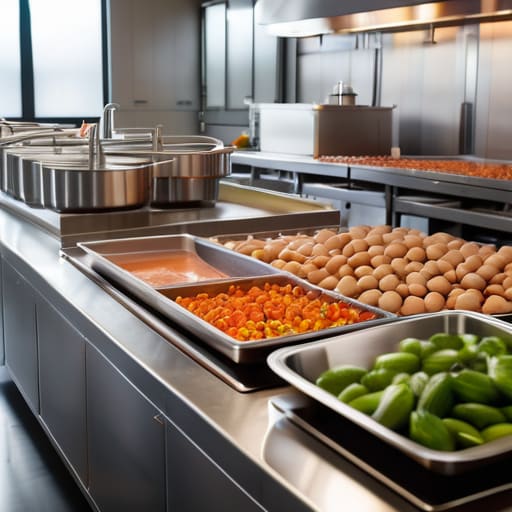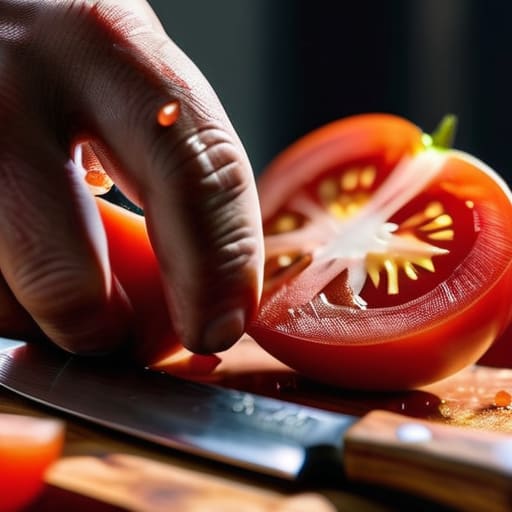
I’ve walked into enough school kitchens during a mid-morning rush to know that the shiny, laminated “Knife Safety Protocol” binder sitting on the shelf is usually nothing more than a very expensive paperweight. Most training modules suggest that how knife safety is managed depends on high-tech magnetic strips or expensive, colour-coded sets that cost a fortune. But when you’ve got three staff members trying to prep five hundred portions of carrots before the lunch bell rings, nobody is reading a manual. In those moments, safety isn’t about the equipment you bought; it’s about the muscle memory and the unspoken habits of the person holding the blade.
I’m not here to give you a lecture on theoretical physics or sell you on a new brand of cutlery. Instead, I want to talk about the practical, slightly messy reality of keeping fingers intact when the pressure is on. I’m going to show you how knife safety is managed through realistic, repeatable actions—the kind of small, boring disciplines that actually stick when a kitchen gets chaotic. We’ll focus on what you can actually sustain on a tight budget and a tight schedule, without the corporate fluff.
Table of Contents
Implementing Culinary Kitchen Safety Protocols You Can Actually Sustain
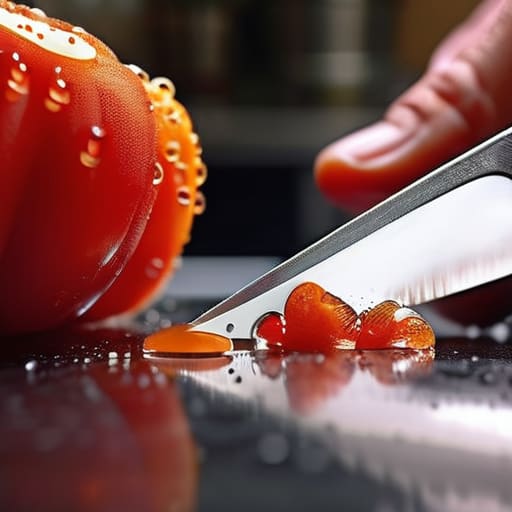
If you try to implement a twenty-page manual on knife safety in a kitchen that’s already short-staffed, it’s going to end up in the bin or, worse, ignored. Real culinary kitchen safety protocols aren’t about memorising every possible injury; they are about building habits that survive the 12:00 PM rush. I’ve seen too many managers try to enforce complex rules that simply don’t work when the ticket rail is full. Instead, focus on the basics: ensure your team understands proper knife handling techniques—like the claw grip—so it becomes muscle memory rather than a conscious effort.
You also need to look at your environment. If your team is tripping over crates or navigating a cramped line, even the best training won’t stop a slip. Part of preventing kitchen accidents is ensuring your workspace allows for movement. This includes investing in safe knife storage solutions, like magnetic strips or dedicated knife rolls, rather than leaving blades rolling around in a cluttered sink or a communal drawer. If the tools aren’t stored where they belong, they aren’t just a safety risk; they’re a sign that the kitchen’s rhythm is breaking down.
Proper Knife Handling Techniques for Understaffed Services
When you’re short-staffed and the lunch rush for three hundred students is looming, the temptation to rush is massive. I’ve seen it a dozen times: someone tries to multitask, carrying a knife in one hand while reaching for a prep bowl with the other. That is exactly when things go wrong. Real proper knife handling techniques aren’t about fancy French flourishes; they are about the boring, repetitive habit of the “claw” grip and ensuring that if you have to move across a busy floor, the blade is down by your side, never pointed forward.
If your team is exhausted, their coordination slips. You cannot expect them to maintain perfect focus if their tools are blunt and fighting them. I always tell kitchen managers that professional chef knife maintenance is actually a safety issue, not just a culinary one. A dull blade requires more force, and more force leads to slips. Don’t bother with overly complex training manuals that no one reads; just make sure they know that a sharp knife is a predictable knife, and predictability is what keeps your staff out of the A&E.
Five Real-World Knife Controls That Won't Fall Apart by Lunchtime
- Stop the “hand-off” chaos. If your team is moving through a cramped prep area, they shouldn’t be passing knives hand-to-hand like a baton in a race. It’s a recipe for a deep laceration. Teach them to set the knife down on a clean, stable surface and let the other person pick it up. It takes three extra seconds, but it saves a trip to the A&E.
- Make sure your knives are actually sharp. I know, it sounds counterintuitive when you’re short on time, but a dull blade is a dangerous blade. A dull knife requires more force, which means more pressure, which means when it inevitably slips off a slick onion skin, it’s going straight for a finger rather than just glancing off.
- The “Walking Rule” isn’t a suggestion; it’s a non-negotiable. If someone has to move from the prep station to the bin or the sink with a knife, they don’t run, and they certainly don’t carry it pointed out like a weapon. Knife down, tucked by the side, or better yet, put it in the wash tub immediately. If you’re too busy to walk safely, you’re too busy to be using a knife.
- Stop letting knives float in the sink. This is one of the most common “small and boring” mistakes I see. Someone drops a knife into a sink full of soapy, opaque water, and the next person reaches in to grab a sponge and ends up with a puncture wound. If a knife is dirty, it goes straight into the sanitizing solution or a designated container—never under the water where you can’t see it.
- Manage your workspace, not just your tools. You can have the best technique in the world, but if your cutting board is wobbling on a wet surface or your prep area is cluttered with half-filled ingredient containers, someone is going to slip. Keep a damp cloth under the board to stop the slide, and clear the clutter before the rush hits.
The Essentials for a Safer, More Realistic Kitchen
Stop chasing perfection with over-complicated manuals; focus instead on whether your staff actually understands the mechanics of a safe grip and how to communicate when they’re moving through a crowded workspace.
Prioritise the “boring” stuff like immediate, proper cleaning and dedicated storage, because a knife left in a sink of soapy water is a predictable way to end up in my office.
Build your safety culture around what you can actually sustain during a lunch rush, ensuring that even when you’re short-staffed, the fundamental rules of knife control aren’t the first things to be abandoned.
Frequently Asked Questions
If we're already short-staffed, how do I actually find the five minutes needed for a proper knife check without falling behind on service?
You don’t find five minutes; you find thirty seconds during the transition. If you wait until the lunch rush hits to check your kit, you’ve already lost. Do it during the hand-over or while the first batch of prep is soaking. Make it part of the “set up” ritual, not an extra task. If it isn’t part of the workflow, it isn’t happening. Tighten the routine when it’s quiet so it survives when it’s chaos.
When a staff member is rushing to get meals out to a hundred hungry kids, how do I stop them from reverting to unsafe habits?
You can’t lecture someone on ergonomics while they’re staring down a mountain of prep and a ticking clock. It won’t stick. Instead, look at the environment. If they’re rushing, it’s usually because the workspace is a bottleneck. Make sure their most-used knives are sharp—dull blades cause the slips that lead to stitches—and ensure their station is laid out so they aren’t crossing paths with others. Fix the flow, and the habits follow.
My team is using a mix of old, blunt knives and a few new ones—is it better to just replace everything at once or manage the different risks as they come?
Don’t try to replace the whole lot at once; you’ll blow your budget and likely end up with a drawer of mediocre steel that nobody likes using. Instead, prioritize. A blunt knife is more dangerous than a sharp one because it requires more force and is more likely to slip. Replace your most used prep knives first. In the meantime, make sure the team knows that a dull knife isn’t an excuse for a bad grip.