I’ve spent sixteen years walking into kitchens where the first aid kit is tucked behind a stack of flour sacks, or worse, sits in a locked office three doors down from the prep station. I once stood in a school kitchen during a mid-morning rush, watching a junior chef try to treat a nasty steam burn with nothing but a damp paper towel because the actual kit was missing its blue waterproof plasters. It’s a joke to suggest that knowing how first aid is provided in kitchens is just about having a shiny plastic box on the wall; in reality, it’s about whether your team can actually access help before a minor slip becomes a trip to A&E.
I’m not here to give you a lecture on theoretical safety protocols that look good on a training certificate but fail the moment the lunch rush hits. Instead, I want to talk about the practical, messy reality of managing injuries when you’re short-staffed and under pressure. I’ll show you how to set up a system that actually works—focusing on the small, boring essentials like visibility, accessibility, and the right supplies—so you can keep your team safe without needing a medical degree.
Table of Contents
Essential Kitchen Medical Supplies You Actually Need
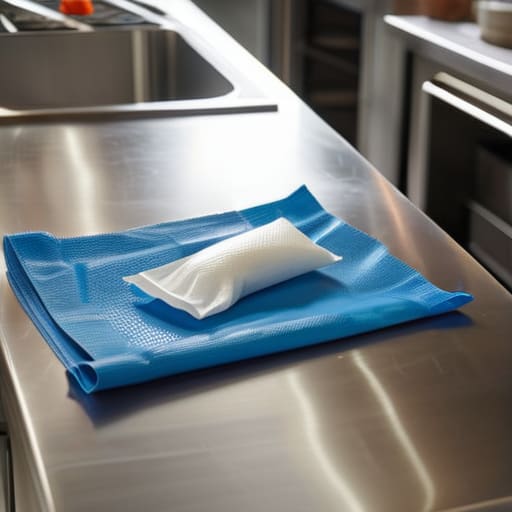
I’ve walked into enough kitchens to know that a standard, flimsy first aid kit tucked away in a dusty cupboard is essentially useless when someone has just sliced a finger open on a mandoline. You don’t need a pharmacy, but you do need essential kitchen medical supplies that actually work in a high-moisture, high-speed environment. Forget the tiny, generic bandages that peel off the moment they hit a damp hand. You need heavy-duty, waterproof dressings and a substantial supply of blue detectable plasters—because if a piece of plastic ends up in a child’s meal, “we had a kit” won’t save your reputation or your license.
When it comes to treating culinary burns, your kit needs to be more than just a bandage. I always look for specialized burn dressings or hydrogel pads that can actually pull the heat out of the skin immediately. If you’re relying on a tap that’s ten feet away while someone is panicking over a splash of hot oil, you’ve already lost the battle. Keep your supplies organized and, more importantly, within arm’s reach of the prep area. If your team has to hunt for the antiseptic while a laceration is still bleeding, you aren’t managing a kitchen; you’re managing a crisis.
Emergency Response for Kitchen Injuries When Staffing Is Thin
When you’re running a kitchen with two people instead of five, the “emergency response for kitchen injuries” stops being a theoretical manual on a shelf and becomes a question of immediate, frantic reality. In a rush, the person who gets cut or burned is often the only one who can help themselves, or worse, the person left standing is too busy plating up 150 lunches to notice someone is in genuine trouble. You cannot expect a seamless, multi-person rescue when the service is peaking. Instead, you have to build your kitchen safety protocols around the assumption that help might be delayed by thirty seconds of chaos.
This means your training can’t just be a once-a-year box-ticking exercise; it has to be about muscle memory. If a staff member is treating culinary burns, they shouldn’t be hunting for a clean towel or wondering where the running water is—they should be able to do it instinctively while the rest of the team keeps the line moving. My advice is to designate a “safety lead” for every shift, even if it’s just a rotating responsibility. That person isn’t a doctor, but they are the one who knows exactly where the blue waterproof plasters are and who is responsible for stepping away from the stove to manage a laceration.
Five ways to stop a minor nick from becoming a shift-ender
- Stop treating your first aid kit like a storage cupboard for old bandages. If it’s buried under a stack of clean aprons or tucked behind the flour sacks, it doesn’t exist. It needs to be in one specific, unobstructed spot that everyone—even the new part-timer on their first day—knows by heart.
- Get your team comfortable with the ‘blue plaster’ rule. In a professional kitchen, if a plaster isn’t bright blue and highly visible, it’s a hazard. I’ve seen too many people try to be clever by using a standard beige one from home; in a school kitchen, that’s a recipe for a catastrophic incident if it ends up in a lunch tray.
- Don’t just hand someone a bandage and walk away. The person providing the first aid needs to be the one who stays calm enough to actually check the wound. If someone cuts themselves, the first step isn’t just “put a plaster on it,” it’s “apply pressure, clean it, and then assess if we need to stop the service.”
- Make ‘reporting’ part of the culture, not a punishment. If a staff member burns themselves and hides it because they don’t want to be sent home or get a lecture, you’ve lost control of your kitchen. I tell my teams: tell me about the small burns now, so I don’t have to investigate a massive infection next week.
- Train for the ‘one-handed’ reality. Most kitchen injuries happen when someone is mid-task. Your first aid training shouldn’t just be about theory; it should be about how to manage a bleeding finger or a splash of hot oil when you’re still trying to keep the rest of the line moving.
The Bottom Line: What Actually Matters When Someone Gets Hurt
Stop chasing a perfect, overstuffed medical kit; instead, focus on having the specific, high-quality supplies for burns and cuts in a single, reachable spot that doesn’t get buried under a stack of clean towels.
A first aid kit is useless if your team is too panicked or too busy to use it, so prioritize a quick, rehearsed “what happens if” talk over a thick manual that nobody will ever read.
Real safety isn’t about having a doctor on call—it’s about ensuring that when the rush hits and someone slips, there is one clear person designated to step away from the stove and handle the situation so the rest of the line doesn’t descend into chaos.
Frequently Asked Questions
If I'm running a small team, do I really need to train everyone in first aid, or is it enough to have one designated person?
If you’re running a skeleton crew, relying on one “designated person” is a gamble you’ll eventually lose. What happens when that person is on their break, mid-prep, or—more likely—the one who just sliced their finger? You don’t need everyone to be a paramedic, but you do need more than one set of eyes and hands trained to react. Aim for at least two people per shift. It’s about coverage, not just certification.
How often should I actually be checking the expiration dates and contents of the kit, given how busy we are?
Listen, I know the temptation to treat the first aid kit like a “set and forget” cupboard is massive when you’re staring down a lunch service. But if you only check it when someone is actually bleeding, you’ve already lost. Aim for a quick monthly sweep—ten minutes, tops. Check for expired antiseptic or those crusty, half-used bandages. If you can’t manage monthly, do it every term. Just don’t wait for an emergency to realize your only sterile dressing is three years out of date.
What’s the best way to document a minor injury so it doesn't turn into a massive headache if someone complains later?
Don’t just scribble “cut finger” on a scrap of paper. You need an accident book that actually functions. Record the date, the exact time, what happened, and—this is the bit people miss—what you did about it. If you applied a blue plaster and sent them back to work, write that down. If they refused a bandage, write that down too. Accurate, boring documentation is your only shield when a “minor nick” suddenly becomes a legal claim.