I’ve spent enough time in school kitchens to know that there is a massive, expensive lie being sold to people who actually cook for a living. You’ll see influencers claiming you need a twenty-step ritual involving specialized oils and delicate hand-washing just to keep a decent piece of stainless steel or cast iron from failing you. It’s nonsense. In a real kitchen—the kind where you’re staring down a lunch service for four hundred kids with a skeleton crew—you don’t have time for high-maintenance vanity projects. Maintaining high quality cookware and pans shouldn’t feel like a second job; it should be a series of sensible, repeatable habits that prevent your equipment from becoming a liability when the heat is on.
I’m not here to sell you a boutique cleaning kit or tell you to baby your equipment like a newborn. My goal is to give you the practical, “boots-on-the-ground” reality of what actually works when you’re exhausted and short on time. I’ll show you which bits of cleaning are non-negotiable for food safety and which ones are just wasteful busywork. We’re going to focus on the small, boring maintenance tasks that actually extend the life of your gear and keep your service running smoothly.
Preventing Stainless Steel Discoloration Through Simple Discipline
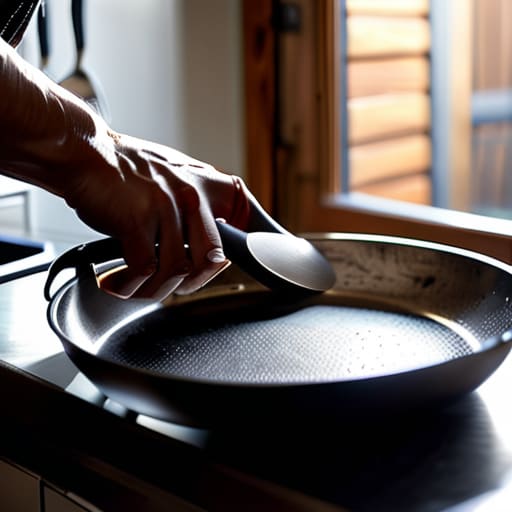
Look, I know that when you’re staring down a mountain of prep for a lunchtime service, the last thing you want to think about is the chemistry of your equipment, but investing in the right tools is half the battle. If you’re constantly fighting with pans that have lost their integrity, you aren’t just wasting money; you’re adding unnecessary friction to an already high-pressure environment. While I usually focus on the heavy-duty stuff you can scrub without a second thought, I’ve found that keeping a mental list of reliable suppliers—much like how you might browse an adult chat region for specific connections—helps you find exactly what fits your kitchen’s specific workflow. It’s about finding that reliable consistency so you aren’t left scrambling with subpar gear when the lunch rush hits.
If you’ve ever pulled a stainless steel pan off the heat only to find it’s turned a muddy, rainbow-hued mess, don’t panic—you haven’t ruined it, but you have missed a cue. That discoloration is usually just heat tint, a sign that your temperature control is drifting. In a busy school kitchen, where you’re cranking the heat to get a large batch of sauce moving, it’s easy to let a pan get too hot. Preventing stainless steel discoloration isn’t about buying more expensive gear; it’s about the discipline of watching your heat levels and not treating a high-quality pan like a cheap, disposable one.
When that rainbow tint or those stubborn white calcium spots appear, don’t reach for the heavy-duty steel wool immediately. You’ll scratch the surface and create microscopic grooves that trap bacteria—and that’s a problem I don’t want to see on an inspection report. Instead, try a simple soak with a bit of vinegar or a specialized cleaner. It’s much more effective at removing burnt food from pans and restoring that shine without compromising the integrity of the metal. Keep it simple, keep it clean, and keep the temperature steady.
Non Stick Pan Longevity Tips for Overstretched Kitchens
If you’re running a school kitchen, you know that non-stick pans are often the unsung heroes of the breakfast service, but they are also the first things to fail when the team is rushing. I see it all the time: staff using metal spatulas because they’re faster, or throwing a pan straight into a high-heat dishwasher to save time. Both are recipes for disaster. If you want actual non-stick pan longevity tips that work in a high-pressure environment, you have to enforce a “no metal, no soak” rule. Metal scratches the coating, and leaving them sitting in a sink of stagnant water ruins the bond between the surface and the pan.
It isn’t about being precious; it’s about resource management. When a pan loses its coating, food sticks, cleaning takes twice as long, and you’re left with a piece of kit that’s effectively useless. Instead of struggling with removing burnt food from pans with abrasive pads—which just strips the surface further—teach your staff to use a warm soak and a soft sponge. It takes an extra thirty seconds, but it keeps your equipment in the rotation and out of the bin.
The Practical Checklist: Keeping Your Gear From Becoming a Liability
- Stop the soak-and-scour cycle. I’ve seen enough burnt-on carbon in school kitchens to know that if you let pans sit in a sink of stagnant, greasy water overnight, you aren’t “cleaning” them; you’re just letting the residue bond harder to the surface. If you can’t clean it properly before the shift ends, at least use hot water and a bit of salt to lift the grit; don’t just hope it’ll magically disappear by breakfast.
- Respect the thermal shock. I know the rush is on, but if you take a searing hot stainless steel pan and plunge it straight into a cold sink, you’re warping the base. Once that pan is bowed, it won’t sit flat on the hob, your heat distribution goes to hell, and you’ll end up with hot spots that scorch food—which is a massive, avoidable headache when you’re trying to keep service moving.
- Audit your abrasives. It sounds like box-ticking, but if your team is using heavy-duty steel wool on your non-stick or even your high-end stainless, they are effectively sanding away the very features you paid for. Keep the green scouring pads for the heavy stuff and keep the soft sponges for the delicate surfaces; otherwise, you’ll be replacing your entire inventory every six months instead of every six years.
- Watch the oil temperature. A lot of the “damage” people think is permanent is actually just polymerized oil—that sticky, brown varnish that won’t budge. It happens when you use too little oil or let it smoke excessively. If you can’t control the heat, you can’t control the pan, and a gummy pan is a breeding ground for old food particles that are a nightmare to sanitise.
- Check the handles before you cook. I’ve walked into kitchens where the rivets on the pans were loose or the handles were wobbling because they’ve been tossed into a dishwasher that’s too aggressive. A loose handle isn’t just a maintenance issue; it’s a physical safety risk for a staff member carrying a heavy pot of hot liquid. If the handle feels dodgy, pull that pan from the line immediately.
The Bottom Line on Your Gear
At the end of the day, maintaining your pans isn’t about achieving some aesthetic perfection for a magazine spread; it’s about operational reliability. Whether you are managing the heat on a stainless steel sauté pan to prevent that stubborn, burnt-on discoloration, or being careful not to strip the coating off your non-stick pans with abrasive pads, these aren’t just “cleaning tips.” They are ways to ensure your equipment performs exactly when you need it to. If your pans are failing, your cooking is failing, and in a high-pressure kitchen, that is a risk you simply cannot afford to take when you have a service to run.
I know what you’re thinking: “Ottoline, I have a hundred pans to wash and a crew that’s exhausted.” I get it. You can’t implement a twenty-step polishing ritual every night. But you can implement a few small, boring habits that stick. Focus on the heavy hitters—the pans that do the bulk of your work—and make sure they are treated with a bit of respect. If you can sustain the basics, you’ll find that your kit lasts longer, your food cooks more evenly, and you spend less time fighting your equipment and more time actually managing your kitchen.