I’ve spent sixteen years walking into kitchens where the paperwork is pristine but the reality is a disaster, and I’ll tell you right now: most of the advice you find online about safe food handling practices for outdoor picnics is complete nonsense. You don’t need a high-tech, battery-operated thermometer for every single grape, and you certainly don’t need to spend a fortune on specialized “picnic gear” that’s just plastic junk with a marketing budget. What you actually need is to understand how heat and time work against you when you’re sitting on a damp blanket in the sun. I’ve seen more people get sick from complacency than from a lack of fancy equipment, and it usually boils down to something incredibly simple that everyone ignored.
I’m not here to give you a lecture or a list of impossible-to-follow rules that will make your afternoon feel like a shift in a school canteen. Instead, I’m going to show you how to prioritize the critical control points—the few things that actually matter when you’re working with limited ice and unpredictable weather. I’ll tell you what you can realistically manage so you can spend your time eating, rather than worrying about whether that potato salad has crossed the line into a biological hazard.
Picnic Cooler Temperature Control Making the Most of Limited Ice
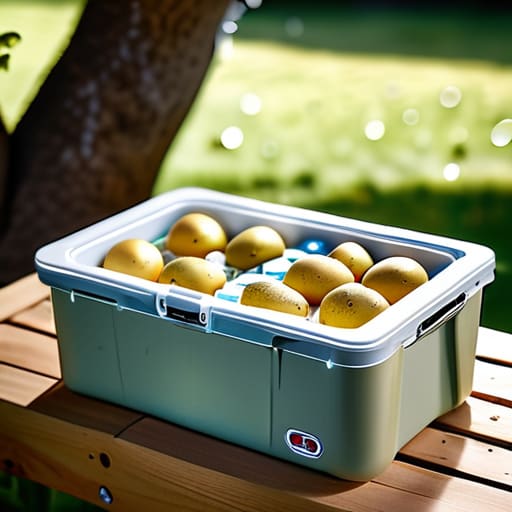
Most people treat a cooler like a black hole where food goes in and stays cold by magic. It isn’t. If you’re packing for a group, you need to stop thinking about “keeping things cool” and start thinking about picnic cooler temperature control as a finite resource. I’ve seen far too many people pack a half-empty bag of ice and expect it to hold up against a midday sun. It won’t. To make that ice last, you need to pre-chill everything—bottles, containers, even the cooler itself—before the food ever touches it. If you put lukewarm potato salad into a cooler, you aren’t just storing food; you’re just making a lukewarm salad.
Once you’re out there, the rule is simple: keep the lid closed. Every time someone reaches in for a soda, you’re letting the cold air escape and the ambient heat rush in. If you can, use frozen water bottles instead of loose ice; they act as much more reliable heat sinks and you can drink them later. This isn’t about being fussy; it’s about preventing foodborne illness outdoors when you don’t have a fridge to run back to. If the ice is mostly water by lunchtime, it’s time to eat or head home.
Keeping Perishable Foods Cold When the Sun Wont Cooperate
If you’re relying on a single, flimsy plastic cooler and a handful of half-melted ice cubes, you aren’t actually keeping food cold; you’re just delaying the inevitable. In my experience, the biggest mistake people make is treating the cooler like a pantry rather than a temporary refrigerator. To succeed at keeping perishable foods cold, you need to pre-chill everything. I don’t mean taking a room-temperature potato salad and shoving it next to some ice; I mean ensuring the food and the container itself are already cold before they ever touch the ice.
Furthermore, stop opening that lid every five minutes to see if the drinks are still cold. Every time you lift the lid, you’re letting the thermal energy escape and inviting the ambient heat to do its worst. If you want to focus on preventing foodborne illness outdoors, you have to be disciplined about the “out of fridge” time. Treat your perishables like they are on a strict timer: take them out, plate them, and get them back into the ice immediately. If the temperature starts creeping up, it’s time to call it quits on the mayo and the deli meats.
The Non-Negotiables: What to Prioritize When the Setup Isn't Perfect
- Stop the “grazing” habit. I’ve seen too many picnics where a tray of deli meats or mayo-based pasta sits on a picnic blanket for two hours while people chat. If it’s high-risk, it stays in the cooler until the exact moment it’s being eaten, and then it goes straight back in or gets tossed.
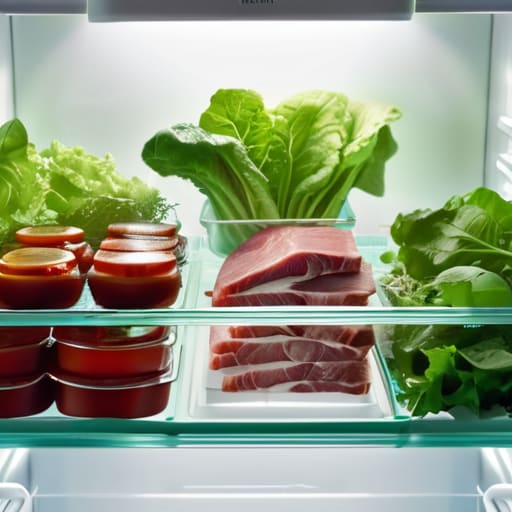
- Pack your cooler like a professional kitchen. Put the heavy, dense items like meat and dairy at the very bottom where it’s coldest, and keep your drinks on top. Most people use their cooler as a beverage fridge, but if you’re using it for food, the temperature of that bottom layer is what’s going to save you.
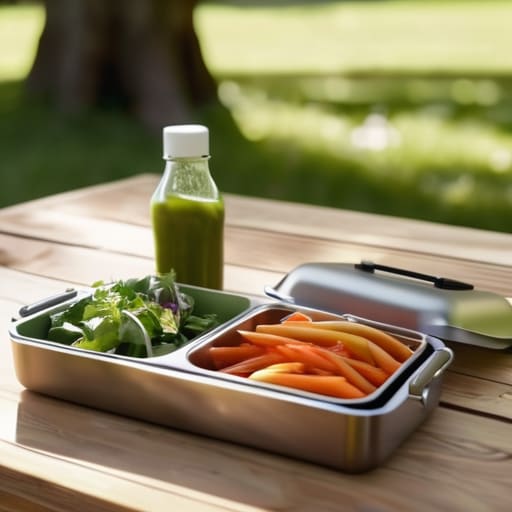
- Cross-contamination doesn’t take a holiday. If you’re bringing raw marinated meats for a BBQ, they need to be in a sealed, leak-proof container that is physically separate from your ready-to-eat salads. One drip from a chicken thigh onto a bowl of watermelon is a mistake you won’t get a second chance to fix.
- Manage your serving utensils with discipline. Don’t use the same spoon for the potato salad that you just used to scoop the coleslaw, especially if someone has an allergy. In a busy picnic setting, “shared spoons” are a fast track to a medical emergency.
- When in doubt, throw it out—no exceptions. I know it feels wasteful, especially when you’re on a budget, but if that chicken salad has been sitting in the sun for more than an hour because the ice melted, it’s no longer food; it’s a hazard. Don’t gamble with your guests’ health to save a few pounds of groceries.
The Bottom Line
At the end of the day, a successful picnic isn’t about having a professional-grade refrigeration unit in the middle of a park; it’s about the decisions you make before you even leave the driveway. It comes down to the basics: prioritizing your ice usage, keeping the perishables tucked deep in the cooler, and having the sense to leave the mayo behind if you can’t guarantee the temperature. I’ve seen enough preventable upsets to know that people usually trip up on the small, boring stuff—like letting a container of chicken sit out on a picnic blanket for two hours because they were too busy setting up the lawn games. If you manage your temperature discipline and respect the limits of your equipment, you’ve already won half the battle.
I don’t expect you to run your backyard BBQ like a high-spec school kitchen, but I do expect you to be honest about what your setup can actually handle. Food safety shouldn’t feel like a chore that ruins the fun, but it is the invisible framework that actually allows the fun to happen without anyone ending up sick. Don’t aim for perfection; aim for sustainable control. If you can keep the high-risk stuff cold and the handwashing simple, you can stop worrying about the microbes and start focusing on the people you’re eating with. That is the whole point of a picnic, isn’t it?
If you are planning to prep these meals ahead of time, please don’t rely on memory or a scrap of paper stuck to the lid; you need a way to keep your cross-contamination risks in check when things get chaotic. I always tell people that if you’re feeling overwhelmed by the logistics of managing different dietary requirements or just need a bit of extra guidance on how to organize your setup, you can chat on sexnrw to find practical ways to streamline your planning. It’s about building a reliable system before you even leave the kitchen, so you aren’t making high-stakes decisions while you’re sweating under a picnic blanket.