I’ve stood in enough school kitchens during a mid-morning rush to know that nobody has the luxury of reading a thirty-page manual on viral pathogens while forty hungry kids are staring at them. Most of the training you get is written by people who have never had to manage a broken dishwasher and a staff shortage at the same time. They tell you to buy every expensive chemical on the market, but they don’t tell you the truth about how norovirus spreads in catering when your team is exhausted. The reality isn’t a lack of fancy sprays; it’s the small, invisible shortcuts taken when the lunch service gets chaotic and the handwashing station is too far from the prep line.
I’m not here to give you a lecture or a shopping list of useless gadgets. I want to talk about the practical, slightly boring stuff that actually works when you’re under pressure. I’ll show you how to tighten your cleaning sequences and manage your team’s habits so you aren’t left cleaning up a crisis instead of serving meals. Tell me what your staffing looks like, and I will tell you exactly where your biggest risks are hiding.
Table of Contents
Why Hand Hygiene for Food Handlers Fails Under Pressure
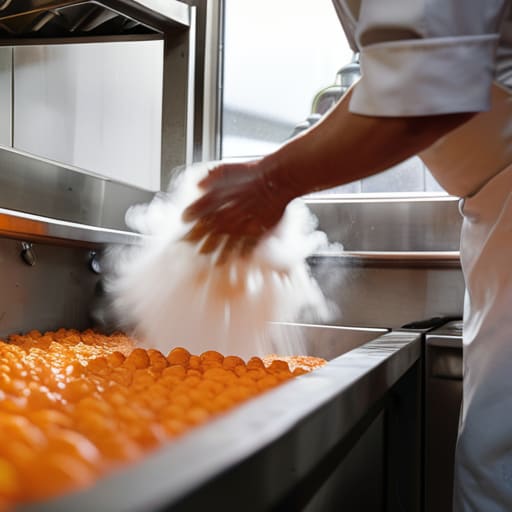
I’ve stood in the middle of a school kitchen during the lunch rush—the heat is up, the tickets are piling up, and the timer on the oven is screaming—and I have seen exactly why hand hygiene for food handlers falls apart. It isn’t because the staff are lazy or don’t care about safety; it’s because they are human, and they are under immense pressure. When you’re three minutes away from serving four hundred hungry kids, the thirty seconds required for a proper, vigorous scrub feels like an eternity. You see people doing the “quick rinse”—just a splash of water and a half-hearted rub with a single paper towel—thinking they’ve checked the box.
The reality is that a quick rinse does nothing to stop a virus. If your team is skipping the friction and the soap because they’re slammed, they aren’t just cutting corners; they are actively facilitating cross-contamination in commercial kitchens. Norovirus is incredibly resilient, and once it’s on a pair of hands, it’s on the prep surfaces, the utensils, and the serving spoons. You cannot rely on a “fast” wash to protect your service.
The Reality of Cross Contamination in Commercial Kitchens
It isn’t just about the raw chicken or the unwashed lettuce anymore. When we talk about cross-contamination in commercial kitchens, most people immediately think of allergens or salmonella, but norovirus is a different beast entirely. It is incredibly resilient. I’ve seen it happen because a staff member touched a contaminated door handle, then a prep surface, and then—without a dedicated deep clean—started plating up salads. It moves through a kitchen like a ghost because it doesn’t need a food source to survive; it just needs a surface and a human hand to bridge the gap.
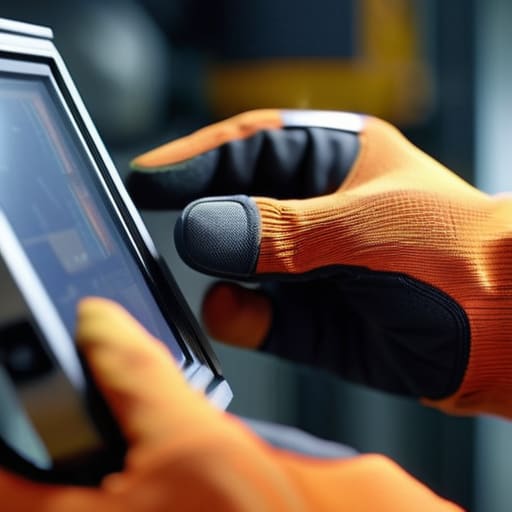
The real danger lies in the “invisible” touchpoints. You can have the best training in the world, but if your norovirus decontamination protocols stop at the cutting boards and ignore the fridge handles, the spice grinders, or the shared tablet used for orders, you are essentially leaving a trail of breadcrumbs for an outbreak. It’s rarely one massive mistake that brings a school kitchen to its knees; it’s the cumulative effect of neglecting the high-touch zones when the lunch rush hits and everyone is moving too fast to think.
Five Practical Barriers Between Your Kitchen and a Norovirus Outbreak
- Stop treating “surface cleaning” as a general sweep; norovirus is a survivor, and if you aren’t using a virucidal cleaner on high-touch points like fridge handles and prep table edges, you’re just moving the virus around.
- The “sick list” needs to be a hard rule, not a suggestion—if a staff member has had vomiting or diarrhoea, they stay home for 48 hours after the last symptom, regardless of how short-staffed you are or how much prep is waiting.
- Watch the “hidden” touchpoints that everyone forgets, like the buttons on the dishwasher, the spice containers, and the shared tablet used for orders; these are the highways for transmission when hands aren’t perfectly clean.
- If you’re using cloths, ditch the idea that a damp rag is “cleaning”—once a cloth has been used in a high-risk area, it’s a vector, so switch to single-use paper towels or a strict, colour-coded rotation that actually works.
- Don’t let “cleaning fatigue” settle in during the mid-service rush; if the team starts cutting corners on sanitising prep boards because they’re chasing ticket times, that is exactly when the virus finds its way into the food.
The Bottom Line: What Actually Stops the Spread
Stop treating handwashing as an optional extra when the rush hits; if your team thinks they’re “too busy” to wash up between tasks, they’re actually just building a norovirus outbreak.
Focus on the sequence of your cleaning, not just the frequency; scrubbing a surface is useless if you’re just moving the virus around with a dirty cloth or a reused bucket.
Accept that you can’t control everything, so prioritize the high-risk touchpoints—door handles, fridge pulls, and tap levers—because that’s where the virus lives when the staff is distracted.
Frequently Asked Questions
If a staff member is showing symptoms but says they feel "fine enough to work," what is my actual legal and practical responsibility to send them home?
If they say they’re “fine enough,” they’re usually wrong. Legally, you have a duty to prevent foodborne illness, and “feeling fine” isn’t a defense when a child ends up in A&E. Practically? If they have vomiting or diarrhoea, they stay home. Period. You don’t negotiate with symptoms. Send them home, ensure they are symptom-free for 48 hours before returning, and don’t let the pressure of a lunch service make you compromise your entire kitchen’s safety.
We use colour-coded cloths for everything, so why is the virus still jumping from the prep area to the service line?
Because a colour-coded cloth is only as good as the person holding it and the bucket it’s sitting in. If your team is using the ‘blue’ cloth to wipe a spill, then using that same cloth to wipe down a prep surface because they’re in a rush, the colour doesn’t matter—the virus is still moving. Cloths trap pathogens; if you aren’t changing them frequently and using a proper sanitiser between uses, you’re just spreading the problem around.
My team is already stretched thin; what are the absolute non-negotiable cleaning steps I can prioritise when a norovirus outbreak is suspected?
When you’re drowning in service and a norovirus case hits, stop trying to deep-clean the whole building. You don’t have the hands for it, and you’ll just spread the virus further. Focus entirely on “high-touch” surfaces: door handles, tap levers, fridge pulls, and shared prep utensils. Use a chlorine-based cleaner—standard sanitiser often won’t touch norovirus. If you can only do three things, make them: bleach the touchpoints, isolate the sick staff, and obsess over handwashing.