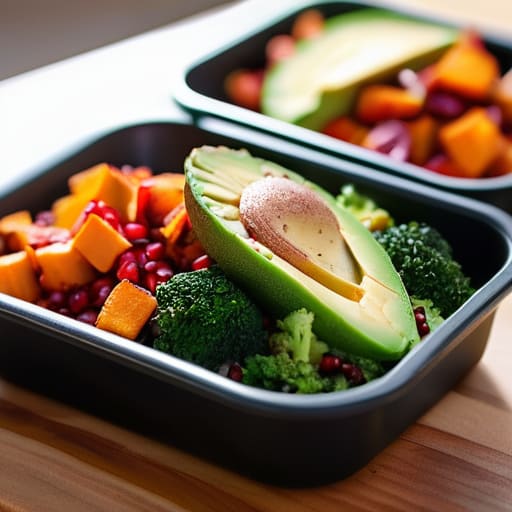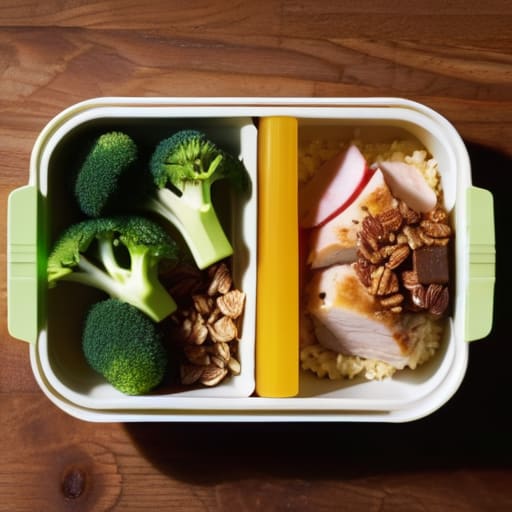
I’ve spent half my life walking into school kitchens where the “wellness” posters on the wall have absolutely nothing to do with the reality of the prep stations. Most of the literature you see online about the benefits of a plant based diet makes it sound like you need a boutique organic market and a degree in molecular gastronomy to make it work. It’s all very glossy, very expensive, and frankly, completely disconnected from a kitchen that’s trying to feed four hundred hungry kids on a shoestring budget. You don’t need a lifestyle overhaul or a cabinet full of $20 superfood powders to see a difference; you just need a sensible approach to what’s actually going on the tray.
I’m not here to sell you on a cult or a trend. My promise to you is much more grounded: I’m going to talk about how you can actually implement these changes without breaking your staff or your sanity. We are going to look at the practical, scalable ways to lean into plant-heavy menus—focusing on things like fiber, cost-control, and nutritional density—while acknowledging the real-world logistics of a high-volume kitchen. I’ll tell you what is actually sustainable when the lunch bell is about to ring.
Whole Food Plant Based Advantages You Can Sustain
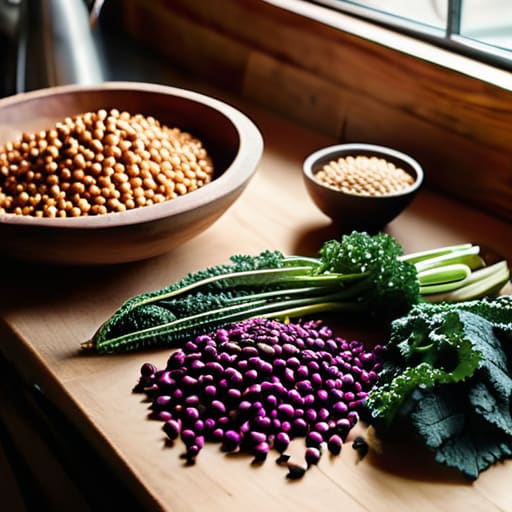
When I talk about the whole food plant based advantages, I’m not interested in the Instagram version of veganism where everything is a processed, salt-laden substitute. In a high-volume kitchen, that’s a recipe for chaos and a massive budget leak. What actually works—and what is sustainable for a school or care setting—is focusing on the basics: legumes, grains, and seasonal vegetables. These aren’t just “health foods”; they are reliable, cost-effective building blocks. By leaning on these plant-based protein sources for health, you aren’t just checking a nutritional box; you’re simplifying your prep list and reducing the complexity of your allergen management.
The real magic happens when you stop viewing this as a restrictive diet and start seeing it as a way of reducing inflammation with plants. When you serve meals built around fiber and complex carbohydrates rather than heavy fats and processed sugars, you see a shift in how people feel. It isn’t about a sudden lifestyle overhaul; it’s about the small, boring win of swapping a processed side for a roasted root vegetable. That is a control you can actually sustain when you’re staring down a service for four hundred people.
Plant Based Diet Cardiovascular Health Without the Complexity
When I talk to catering managers about heart health, they usually get defensive. They think I’m about to hand them a list of expensive superfoods or a complicated nutritional spreadsheet that no one has time to read. But when we look at plant-based diet cardiovascular health, it isn’t actually about chasing trends; it’s about the basics of what we’re putting in the pot. By swapping out heavy, saturated fats—the kind that clog up both arteries and kitchen drains—for more fiber-rich, plant-heavy options, you’re doing the heavy lifting for your patients or students without needing a degree in dietetics.
It really comes down to simple substitution rather than a total system overhaul. You don’t need to source rare ingredients to see the results; you just need to focus on reducing inflammation with plants by leaning into lentils, beans, and seasonal veg. If you can manage the logistics of a solid legume-based protein, you’ve already solved half the problem. It’s about making the choice that is easy to repeat every single day, because in a high-pressure kitchen, consistency is the only thing that actually works.
Five Practical Ways to Lean into Plant-Based Eating Without Losing Your Mind
- Focus on “crowding out” rather than cutting out. Don’t start by banning meat; start by making sure half the plate is something plant-derived. If you’re serving a pasta dish, throw in a handful of spinach and some chickpeas. It’s a small, manageable change that builds the habit without the stress of a total pantry overhaul.
- Master the art of the “base” ingredient. In a busy kitchen or a busy home, you don’t have time for complex recipes. Keep grains like quinoa or bulgur wheat prepped in the fridge. They are your safety net. You can throw a protein, a veg, and a dressing on top, and suddenly you have a nutritionally dense, plant-forward meal that took zero mental energy to plan.
- Don’t ignore the fiber factor. The biggest mistake I see when people jump into plant-based eating is increasing their fiber intake too fast without enough water. It’s like trying to run a new piece of kitchen equipment without reading the manual—you’ll end up with a mess. Increase your legumes and whole grains gradually to let your system adjust.
- Use “bridge” ingredients to keep satisfaction high. If you’re transitioning, don’t go straight to steamed broccoli and plain tofu; you’ll hate it and go back to what you know. Use umami-rich plant foods like mushrooms, nutritional yeast, or soy sauce. They provide that savory “hit” that helps your brain realize it’s not missing the meat as much as you thought.
- Simplify your allergen management from the start. If you are moving toward more plant-based meals, you are likely increasing your use of nuts, soy, or gluten. Don’t let this become a chaotic cross-contamination nightmare. Keep your new staples in clearly labelled, dedicated containers. If you can’t control the storage, you can’t control the risk.
Making it Work in the Real World
We’ve looked at how whole foods can stabilize energy and how cutting back on heavy meats can do wonders for cardiovascular health without requiring you to become a nutritionist overnight. But let’s be honest: a plant-based diet in a high-volume setting isn’t about achieving some kind of culinary perfection or following a rigid, expensive list of superfoods. It is about implementing manageable controls. Whether you are managing a school kitchen or just trying to feed your own family on a Tuesday night, the goal is to find those small, repeatable wins—like swapping a processed meat filler for lentils or increasing your vegetable density—that actually reduce long-term health risks without breaking your budget or your spirit.
If you try to overhaul every single meal at once, you’re going to fail, and you’ll likely end up right back where you started. In my line of work, I know that the most effective systems are the ones that are actually sustainable when things get busy and the staff is short. Don’t aim for a flawless transition; aim for consistent, incremental progress. Focus on what you can realistically maintain when the pressure is on, because that is where the real health benefits live. If you can master the small, boring habits of better ingredient choices, you’ve already won the most important battle.
If you are looking to scale up these plant-based options without losing control of your margins or your sanity, I always tell my teams to look at where they can find reliable, local supply chains. It’s much harder to maintain nutritional standards when you’re constantly chasing inconsistent produce. Sometimes, finding the right connections—whether that’s through local community networks or even looking into how people find adelaide casual encounters with local suppliers and seasonal markets—can make the difference between a menu that works and one that just creates more paperwork. It’s about building a sustainable rhythm in the kitchen rather than constantly reacting to what’s available.