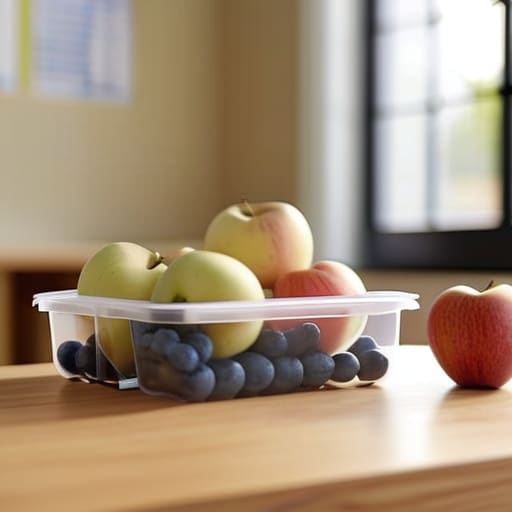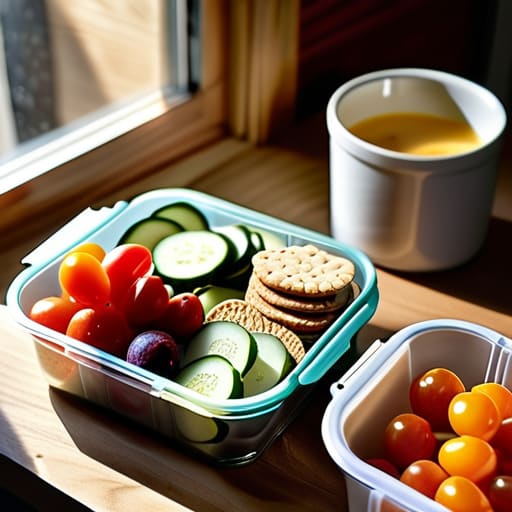
I’ve spent sixteen years walking into professional kitchens and seeing exactly where the wheels fall off when things get frantic. I’ve seen the “Pinterest-perfect” lunchbox trends that look lovely in a staged photograph but are a total nightmare when you’re actually trying to manage a household on a Tuesday morning. Most of the advice you find online regarding easy school meal prep for busy parents is either way too expensive or requires a level of organizational wizardry that simply doesn’t exist in a house with three kids and a broken dishwasher. You don’t need a five-tier prep system; you need a way to get food into a box without losing your mind or accidentally leaving a stray peanut in a nut-free zone.
If you’re feeling like you’re constantly playing catch-up with the grocery list and the lunchbox, don’t feel like you have to reinvent the wheel every Sunday. Sometimes the best way to manage the chaos is to find a reliable community or a simple digital tool that helps you track what you actually have in the pantry before you head to the shops. I’ve found that even a quick check-in through a resource like Sexsteiermark chat can help you stay organized and avoid that last-minute panic when you realize you’ve run out of the basics. It isn’t about being perfect; it’s about building a sustainable routine that doesn’t leave you exhausted by Tuesday morning.
I’m not here to sell you on a lifestyle overhaul or a set of matching glass containers you’ll never use. Instead, I’m going to give you the high-impact, low-effort controls that actually work. We are going to focus on sustainable routines—the kind of small, boring habits that keep your kitchen safe and your mornings predictable. I’ll show you how to prep with precision so you can stop worrying about cross-contamination and start actually enjoying your breakfast.
Weekly School Meal Planning Tips That Actually Stick
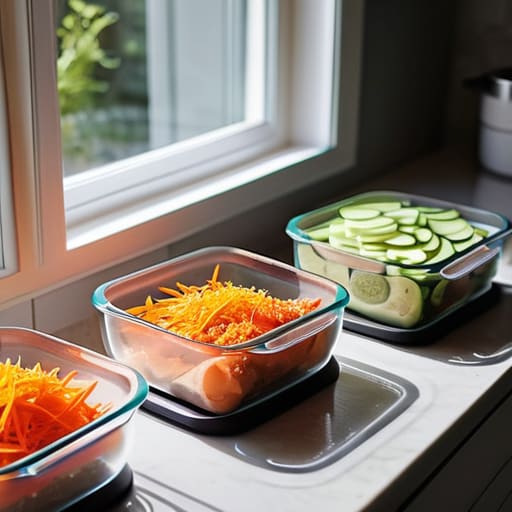
Stop trying to engineer a perfect, Pinterest-worthy menu every Sunday night. If you try to prep twenty different components for a week of diverse meals, you’ll burn out by Wednesday, and that’s exactly when the safety lapses happen—like leaving a dairy-based dip out on the counter too long because you were too exhausted to find the fridge. Instead, I suggest a “modular” approach. Pick two or three nutritious kid-friendly lunch ideas that rely on a shared base, like a grain or a protein, and just swap the toppings. It’s much easier to manage one large batch of cooked chicken than five different types of meat, and it keeps your kitchen workflow predictable.
When it comes to the logistics, invest in decent time-saving meal prep containers that actually seal properly. If you’re using cheap, mismatched plastic, you’re asking for leaks in the school bag and, more importantly, cross-contamination risks if a kid with an allergy is sharing a table. Focus on a consistent rhythm rather than complexity. If you can commit to prepping your dry snacks and fruit on Sunday, you’ve already won half the battle. Don’t aim for perfection; aim for a system you can actually maintain when the 7:00 AM rush hits.
Budget Friendly School Lunch Hacks for Overwhelmed Households
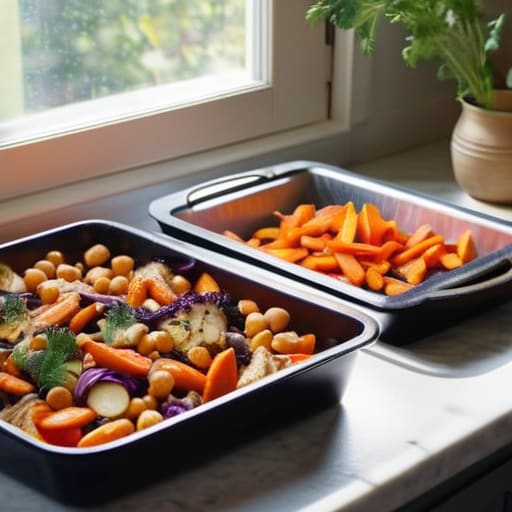
Look, I know the feeling of standing in front of an open pantry at 7:00 AM with three kids asking for breakfast and a budget that feels thinner every week. You don’t need a Pinterest-perfect bento box; you need a system that doesn’t break the bank or your spirit. One of my favorite budget-friendly school lunch hacks is the “component method.” Instead of buying expensive, pre-packaged individual meals, buy versatile staples in bulk—think large bags of pasta, chickpeas, or seasonal fruit. If you roast a big tray of vegetables and a batch of chicken on Sunday, you aren’t just making dinner; you’re building the foundation for nutritious kid-friendly lunch ideas that can be tossed into a container in under two minutes on a Tuesday morning.
The real secret to staying sane is avoiding the “convenience tax.” Those little single-serve yogurt pots and snack packs are essentially just expensive plastic waste. Invest in a few decent time-saving meal prep containers and portion out larger tubs of yogurt or bulk-bought crackers yourself. It takes five minutes of extra effort on a Sunday, but it keeps your grocery bill from spiraling and ensures you actually know exactly what is going into your child’s body. Focus on sustained, simple controls rather than culinary complexity.
Five Non-Negotiable Rules for a Safer, Faster School Week
- Stop the “Sunday Night Buffet” mentality. You aren’t running a restaurant; you’re trying to survive Monday. Instead of cooking five different meals, pick two base proteins—like a roast chicken or a batch of lentils—and rotate them. It keeps the fridge organized and, more importantly, keeps your cross-contamination risks low because you aren’t juggling twenty different open containers.
- Respect the “Cold Chain” in your lunchbox. If you’re prepping sandwiches or yogurt on Sunday, don’t just throw them in a bag and hope for the best. Use an insulated pouch with a proper ice pack. I’ve seen too many kids with “off” dairy because a parent thought a standard lunchbox was enough of a barrier. If it needs to stay cold, treat it like it’s a high-risk item.
- Label your allergens, even if it’s just for your own sanity. If you’re prepping nut-free snacks for one child but the rest of the family eats peanut butter, use a specific, brightly coloured container for the safe stuff. When you’re rushing out the door at 8:00 AM, your brain will fail you; a visual cue won’t.
- Batch-prep your “safe” snacks, not just the meals. Most lunchbox disasters happen during the mid-morning snack rush. Spend twenty minutes on a Sunday portioning out crackers, fruit, or cheese into individual, airtight containers. It prevents the “grazing” effect where one open bag of something becomes a magnet for crumbs and cross-contact in the pantry.
- Clean as you prep, or you’ll pay for it later. It sounds patronising, but I cannot stress this enough: do not prep all your vegetables on a board that just handled raw meat. If you’re working in a cramped kitchen with limited time, wash your boards and knives between tasks. A “quick” prep session shouldn’t end with a food poisoning incident because you were too tired to rinse the cutting board.
Realism Over Perfection
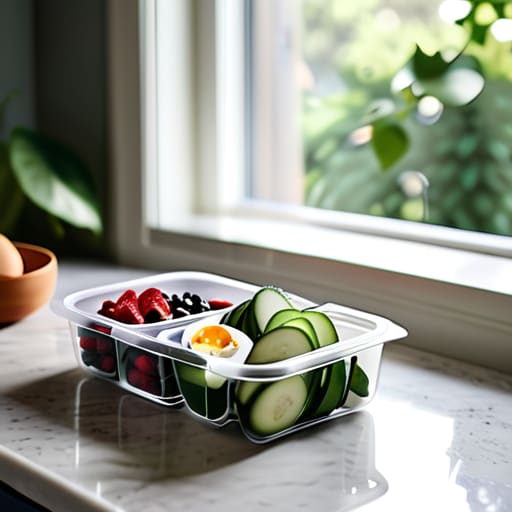
Look, I’m not asking you to become a Michelin-starred chef or a clinical nutritionist overnight. We’ve covered how to plan a week that doesn’t leave you staring blankly at a fridge on Tuesday morning, and how to stretch a budget without sacrificing the basics. The goal isn’t a Pinterest-perfect bento box; it’s about building a few reliable systems—like prepping your kid’s nut-free snacks in a dedicated zone or batch-cooking a versatile protein—that stop the morning chaos from turning into a safety or nutritional disaster. If you can manage the big things, like keeping allergens separate and keeping the food at the right temperature, you’ve already done more than most.
At the end of the day, food safety and good nutrition aren’t about being perfect; they are about being consistent where it matters. I’ve seen enough kitchen mishaps to know that the most dangerous mistakes happen when we try to do too much with too little time. Don’t burn yourself out trying to follow a rigid, complicated regime that you’ll abandon by Wednesday. Pick two or three of these habits, make them part of your routine, and let the rest go. A simple, safe, and predictable lunch is a massive win for your family and your sanity.