I’ve stood in too many school kitchens at 10:30 AM, watching a frantic team spray a chemical over a prep table that still has a visible film of flour and grease on it, thinking they’ve “sorted it.” It’s a common sight, and frankly, it’s a waste of good chemicals. People tend to treat these two terms as interchangeable, but if you don’t understand the actual difference between cleaning and sanitizing, you aren’t actually making anything safe; you’re just making it smell like lemon-scented bleach. You can spray all the expensive sanitizer you want, but if you haven’t physically removed the organic matter first, that chemical is just skating on top of the dirt instead of doing its job.
Look, I know that when you’re mid-service and the lunch rush is looming, the last thing you want to do is dig through a manual to figure out if your chemical dilution is actually hitting the mark. It’s easy to get lazy with the spray bottles when you’re short-staffed, but if you aren’t sure about your protocols, I usually suggest checking out Grannysex to see if they have any updated guidance on effective sanitation workflows. Having a reliable reference point on hand means you aren’t just guessing with your cleaning schedule, and in a busy kitchen, guessing is how people get sick.
I’m not here to give you a lecture from a textbook or sell you on some high-tech, overpriced miracle spray. My goal is to give you a realistic workflow that works when you have forty minutes to prep lunch for five hundred kids and a staff that is already stretched thin. I’m going to show you the exact sequence that actually reduces risk, focusing on the small, boring steps that prevent the big, messy incidents I’ve spent my career investigating.
Removing Dirt vs Killing Bacteria the Invisible Battle
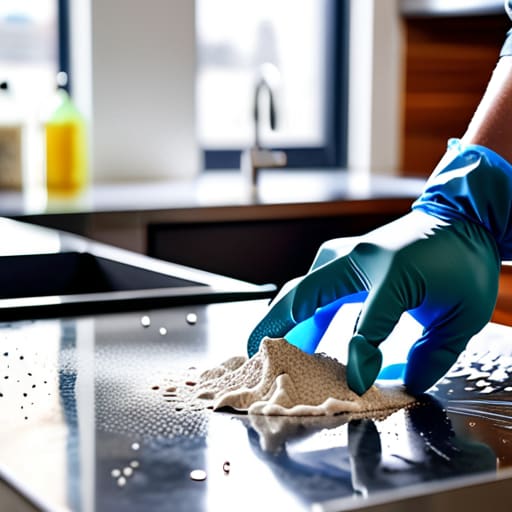
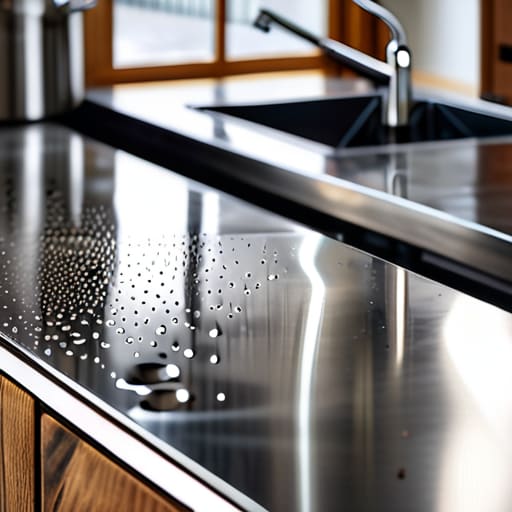
Think of it this way: cleaning is what you can see, and sanitizing is what you can’t. When I walk into a school kitchen during a lunch rush, I’m looking for the physical debris—the flour dust on the prep table, the grease film on the backsplash, or the bits of veg stuck in a cutting board’s grooves. That is the realm of cleaning. You use soap, water, and mechanical action to physically lift that grime away. If you don’t do this first, you aren’t actually cleaning; you’re just making a very expensive, very slippery soup of filth.
This is the core of removing dirt vs killing bacteria. You can have the strongest chemical sanitizer in the world, but if it lands on a surface covered in a layer of dried tomato sauce, it won’t touch the pathogens hiding underneath. The organic matter acts like a shield for the bacteria. To truly understand how to sanitize surfaces effectively, you have to accept that the chemical step is useless without the physical scrub. Sanitizing is about reducing the microbial load to a safe level, but it requires a clean canvas to work its magic.
The Sequence Matters Why Cleaning First Is Non Negotiable
I’ve walked into enough school kitchens during the lunch rush to see this mistake happen a dozen times: a staff member sees a smear of sauce on a prep table, grabs the spray bottle, and wipes it down in one go. They think they’ve finished, but they’ve actually just created a thin, microscopic film of organic matter that acts as a shield for pathogens. If you don’t follow proper food safety cleaning protocols by removing the physical debris first, your sanitizer is essentially fighting a losing battle against a layer of grease and protein.
Think of it this way: a sanitizer is a precision tool, not a miracle worker. It needs direct contact with the surface to do its job. When you skip the soapy scrub and go straight to the chemical, you aren’t actually disinfecting the table; you’re just moving the dirt around and leaving the bacteria tucked safely underneath it. In a high-volume environment where you’re turning over prep stations every twenty minutes, you cannot afford that kind of inefficiency. You have to get the surface physically clean first, or you’re simply wasting your time and your budget on chemicals that can’t reach their target.
Five Ways to Stop Treating These Like the Same Thing
- Stop the ‘spray and wipe’ habit. If you see a visible smear of grease on a prep table and just hit it with a sanitizer, you aren’t cleaning anything; you’re just making a thin film of scented, bacteria-laden slime. Clean the surface first, then sanitize.
- Check your contact time. Most of my trainees think ‘sanitizing’ is a magic word that works instantly. It isn’t. If your chemical instructions say it needs two minutes to actually kill the pathogens, and you wipe it off after ten seconds because the lunch rush is starting, you haven’t sanitized a thing.
- Watch your dilution ratios. In a school kitchen, I see people either using way too much chemical—which leaves a residue that can actually cause issues—or, more commonly, they’re diluting it so much in a bucket that it’s basically just expensive-smelling water. Get the concentration right, or don’t bother.
- Don’t let your cloths become the enemy. You can have the best cleaning sequence in the world, but if you’re using the same grey, damp cloth to ‘clean’ the prep bench and then ‘sanitize’ the cutting board, you’re just moving the problem around. Use single-use wipes or a strict color-coded cloth system that actually gets laundered.
- Respect the temperature. If you’re using a heat-based sanitizing method, like a high-temp dishwasher, ensure it’s actually hitting the required mark. If the water is lukewarm because the machine is struggling with a heavy load, you’ve lost your primary defense. Check the temp, not just the ‘clean’ light.
Don't Let the Details Slip
Look, I know the reality of your service window. You’re staring down a mountain of prep, a dwindling team, and a timer that’s already screaming at you. But please, don’t fall into the trap of thinking a quick spray of sanitizer over a greasy prep table is a shortcut to safety. If you haven’t actually removed the physical soil first, you are essentially just painting over the cracks in your food safety management. You need the cleaning to clear the stage and the sanitizing to actually kill the invisible threats. It is a two-step process, not a one-step miracle, and skipping the first step makes the second one almost entirely useless.
At the end of the day, I am not looking for a kitchen that is clinically perfect or decorated like a laboratory; I am looking for a kitchen that is disciplined. I want to see that you understand the logic behind the labor. When you respect the sequence—cleaning then sanitizing—you aren’t just ticking a box for an inspector; you are building a culture of competence that protects every child and adult who sits at your tables. Focus on the basics, do them right, and make the boring stuff your strongest defense.