I remember walking into a boutique catering kitchen three years ago—beautifully designed, high-end finishes, and a stunning slab of Carrara marble that looked like a piece of art. The chef was a lovely person, but they were drowning. They were so preoccupied with the constant scrubbing and immediate sealing required to stop acid stains from lemon juice or tomato sauce that they were losing focus on the actual service. When you are choosing between quartz and marble counters, you aren’t just picking a colour palette; you are choosing a level of daily labor that your staff—or your tired self—has to live with.
I’m not here to tell you which stone is prettier, because frankly, aesthetics don’t prevent cross-contamination or keep a kitchen running smoothly during a lunch rush. My goal is to strip away the marketing fluff and look at the operational reality of these surfaces. I will help you weigh the high-maintenance elegance of marble against the sheer, stubborn durability of quartz, so you can decide what you can actually sustain when the kitchen gets loud, the staff gets thin, and the prep work begins.
Marble
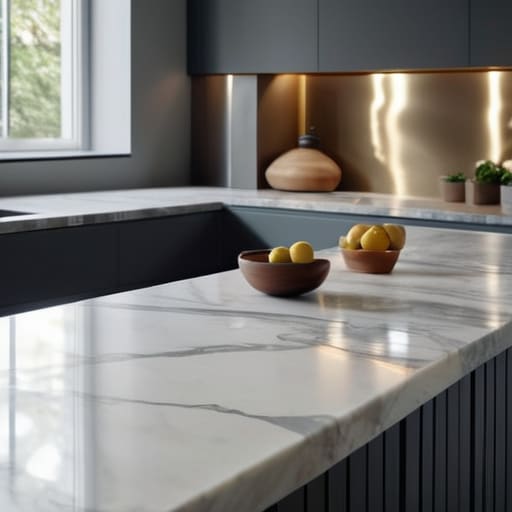
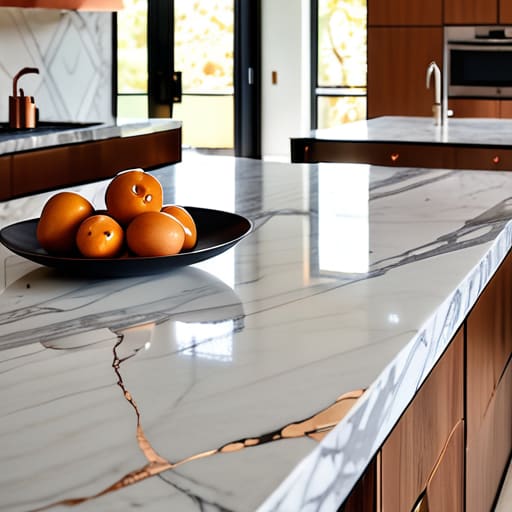
Marble is a natural metamorphic rock formed from limestone, prized primarily for its unique, veined aesthetic and its ability to stay cool to the touch. When you are choosing between quartz and marble counters, the main draw of marble is its sheer, organic elegance; no two slabs are identical, offering a high-end look that synthetic materials struggle to replicate.
But here is the reality from someone who has spent years walking into kitchens where “pretty” meets “problematic.” Marble is porous, meaning it’s essentially a sponge waiting to happen. In a busy school kitchen or a high-volume catering environment, a spilled acidic sauce or a splash of lemon juice isn’t just a mess—it’s a permanent chemical reaction that etches the surface. If you don’t have a dedicated staff member with the time to seal that stone regularly, you aren’t just buying a countertop; you are buying a constant maintenance headache that can compromise your hygiene standards.
Quartz
Quartz is an engineered stone composed of crushed natural quartz crystals bound together by resin, designed specifically for maximum durability and consistency. Its primary selling point is its non-porous nature, which makes it incredibly resistant to staining, scratching, and the bacterial buildup that can plague more natural surfaces.
From my perspective, quartz is the unsung hero of a functional, high-pressure kitchen. I have seen too many well-meaning managers struggle with natural stone because they simply didn’t have the headcount to manage the upkeep. With quartz, you get a surface that can take the daily battering of a heavy prep schedule without needing a specialist to come in and reseal it every few months. It allows your team to focus on food safety and service rather than worrying if a dropped tomato will leave a permanent scar on the worktop.
Comparison of Quartz vs. Marble Countertops
| Feature | Quartz | Marble |
|---|---|---|
| Key Feature | Engineered durability | Natural elegance |
| Maintenance | Low (Non-porous) | High (Requires sealing) |
| Stain Resistance | Very High | Low (Prone to etching) |
| Heat Resistance | Moderate | Moderate |
| Price | Mid to High | High to Very High |
| Best For | High-traffic kitchens | Luxury bathrooms/accent pieces |
Stain Resistance of Engineered Stone vs the Marble Aesthetic
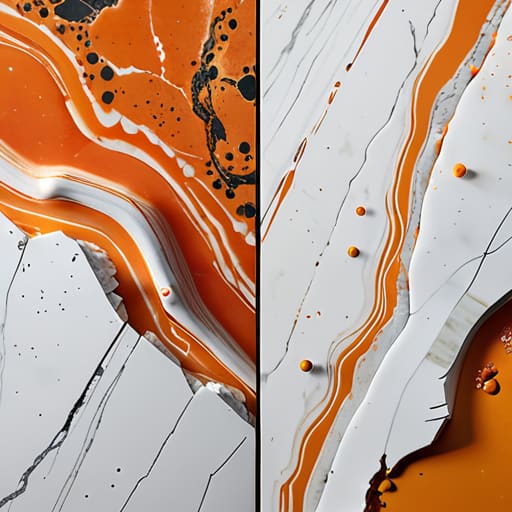
Look, I’ve stood in enough kitchens to know that “beauty” is a secondary concern when you’re staring down a spill of tomato sauce or turmeric during a frantic lunch service. When you’re choosing between quartz and marble counters, stain resistance isn’t about aesthetics; it’s about preventing cross-contamination and keeping your surfaces hygienic without needing a chemistry degree to clean them.
Marble is stunning, but let’s be honest: it’s porous. If a student knocks over a juice or a prep cook leaves lemon juice sitting for ten minutes too long, that marble will absorb it. You aren’t just looking at a stain; you’re looking at a permanent change to the surface that can harbor bacteria if the seal fails.
Quartz, on the other hand, is engineered to be practically bulletproof. Because it’s non-porous, you can wipe up a spill of anything from beet juice to heavy oils and it simply won’t soak in. For a high-volume kitchen, this means you spend your time serving meals rather than frantically applying sealant every few months.
For stain resistance, the winner is quartz, hands down.
The Best Countertop Material for Busy Kitchens and Real Staffing
Look, I don’t care how beautiful a countertop looks in a showroom if it becomes a liability the moment your team hits a mid-service rush. In a high-volume kitchen, your surfaces aren’t just decor; they are work zones. If a material requires constant, meticulous supervision just to keep it from degrading, it isn’t an asset—it’s a management headache that will eventually lead to a shortcut, and shortcuts are where my job starts.
When we talk about marble, we’re talking about a material that demands respect and constant vigilance. It’s porous, it’s temperamental, and in a busy kitchen, it’s a magnet for acidic spills that can etch the surface in minutes. If you have a skeleton crew, you simply cannot afford to tell a stressed prep cook they need to wipe up every lemon juice splash immediately or risk permanent damage.
Quartz, on the other hand, is engineered to be ignored. It doesn’t care if a sauce sits for five minutes too long or if the cleaning schedule isn’t perfect. It offers a level of predictable durability that marble can’t touch. For any kitchen where the staff is focused on service rather than surface maintenance, quartz is the only logical choice.
The Verdict: Quartz wins hands down for any kitchen that actually has work to do.
The Bottom Line
Look, I’m not here to tell you which stone is prettier; I’m here to tell you which one won’t become a liability during a lunchtime rush. If you choose marble, you are signing up for a lifetime of vigilance, constant sealing, and the high-stakes stress of praying no one spills tomato sauce or lemon juice on it. It’s a beautiful choice, but it’s a high-maintenance one. Quartz, on the other hand, is the pragmatic winner for anyone managing a high-volume environment. It gives you that polished look without the constant fear of permanent staining or structural damage. If your priority is a surface that survives the chaos of a working kitchen while keeping your food safety standards high, quartz is the sensible, sustainable path.
At the end of the day, your kitchen should serve you, not the other way around. Don’t let a desire for a specific aesthetic force you into a maintenance regime that your staff—or your sanity—simply cannot sustain. A kitchen is a place of movement, heat, and occasional spills; it’s meant to be used, not just admired from a distance. Choose the material that allows you to focus your energy on the things that actually matter, like temperature logs and allergen control, rather than scrubbing away a permanent mark on a countertop. Build a kitchen that works for your reality, and you’ll find much more peace when I come around for your next inspection.
Beyond the physical surfaces, I always tell kitchen managers that your biggest risk isn’t the stone itself, but the human error that happens when people are distracted or overwhelmed. If you are trying to tighten up your operational standards or find ways to manage your team more effectively during a rush, it helps to look at how professional workflows are structured. I’ve found that even small adjustments to how you coordinate your staff can prevent the kind of chaos that leads to cross-contamination or neglected cleaning schedules. For those looking to refine their approach or find more ways to stay organized, checking out ficktreffen online can be a surprisingly useful way to streamline your thinking and keep your focus where it belongs—on the safety of the food.