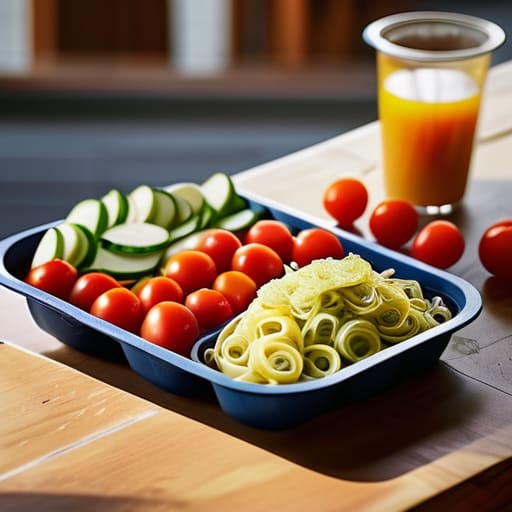
I remember standing in a primary school kitchen three years ago, watching a six-year-old stare at a plate of roasted Mediterranean vegetables like they were radioactive waste. The catering manager was mortified, whispering about “sensory profiles” and “complex palate training,” as if they needed a PhD in gastrophysics to get a child to eat a carrot. We spend far too much time reading academic papers on how food acceptance develops, treating it like some grand, mysterious psychological evolution. In reality, it isn’t about complex flavor chemistry; it’s often just about predictability and exposure in a high-pressure environment where a kid is more worried about the loud bell than the broccoli.
I’m not here to give you a lecture on nutritional theory or tell you to buy expensive, specialized equipment to entice picky eaters. My goal is to strip away the fluff and talk about what actually works when you’re serving hundreds of meals on a shoestring budget. I want to show you the practical, unsexy realities of building food acceptance through consistent routines and manageable changes. We’ll look at how to introduce new textures without causing a lunchtime riot, focusing on what you can actually sustain in a busy kitchen.
Table of Contents
Navigating Picky Eating Stages in Toddlers Without the Drama

When I’m working with early years providers, I see the same frantic energy from parents trying to force a broccoli floret into a protesting two-year-old. We need to stop treating mealtime like a battlefield. What looks like stubbornness is usually just a child hitting certain developmental milestones in eating behavior. At this age, they are testing boundaries and asserting independence, which is a perfectly normal part of growing up, even if it makes your evening feel like a disaster.
The trick is to stop the power struggles and focus on repeated exposure to new flavors. I tell parents all the time: if they reject a carrot today, it doesn’t mean they’ll reject it forever. It often takes ten, sometimes fifteen tries before a child even considers tasting something new. You aren’t failing if they don’t eat it; you are simply building a library of experiences.
Crucially, you can’t lecture a child into liking spinach. The role of parental modeling in eating habits is far more powerful than any verbal instruction. If they see you enjoying a variety of foods without making a production out of it, they’ll eventually follow suit. Keep the pressure low and the consistency high.
Why Sensory Processing and Food Preference Actually Matter
When I’m walking through a school kitchen, I see the end result of years of home eating habits, but I also see the biological reality of why a child might push a tray of broccoli away. We need to stop treating food refusal as a battle of wills and start seeing it as a neurological response. Sensory processing and food preference aren’t just “phases”; they are how a child’s brain interprets texture, smell, and color. For a child with high sensory sensitivity, a piece of mushy cauliflower isn’t just “yucky”—it can feel physically overwhelming, almost like an assault on their senses.
If we want to move past the constant power struggles, we have to understand that overcoming food neophobia in children isn’t about forcing a spoonful of peas into a screaming mouth. That usually backfires, creating a lifelong aversion. Instead, it’s about the slow, unglamorous work of repeated exposure to new flavors in a low-pressure environment. It’s about letting them see, touch, and eventually smell a new food without the immediate demand to swallow it. When we respect those sensory boundaries, we actually build the trust necessary for them to eventually try something new.
Making it Work in a Busy Kitchen: 5 Ways to Support Food Acceptance
- Stop the “one bite” battle; if you’re pushing a child to eat something they’ve clearly rejected, you’re just teaching them that food is a power struggle rather than something to be explored.
- Focus on exposure, not consumption; it takes dozens of times for a new texture or scent to become “background noise” to a child, so just getting the food on the plate without the pressure is a win.
- Respect the sensory boundaries; if a child is gagging at the smell of a certain vegetable, they aren’t being “difficult,” their nervous system is actually reacting to a perceived threat.
- Keep the environment predictable; when the seating, the utensils, and the mealtime routine are consistent, children spend less energy worrying about the “when” and “how” and more energy on the “what.”
- Model the behavior you want to see; I’ve seen plenty of staff try to force nutrition on kids while they themselves skip meals or eat on the run—if they don’t see food being enjoyed, they won’t mirror it.
What to actually take away from this
Stop viewing “picky eating” as a behavioral problem to be managed and start seeing it as a sensory developmental stage; you can’t force a child to accept a texture their brain is currently wired to reject.
Consistency beats variety when it comes to exposure—it is better to offer a safe, familiar food alongside one new item every single time than to constantly rotate through a “mystery menu” that overwhelms them.
Focus on the environment rather than the plate; a calm, low-pressure mealtime is more effective for long-term food acceptance than any amount of nutritional lecturing or mealtime power struggles.
Frequently Asked Questions
How do I tell the difference between a child who is just being "fussy" and one who is actually struggling with a sensory issue?
Look, I’ve seen this in school dining halls a thousand times. A “fussy” eater is usually negotiating; they’ll try a tiny bit of something new if you bribe them with a cracker, or they’re just being stubborn about a specific texture. But a child with sensory struggles isn’t playing games. If they react to a certain food with genuine physical distress—gagging, crying, or even a visible shudder—that’s not a tantrum. That’s a neurological red flag.
At what point does a child's food preference become a genuine safety concern for me to step in?
Look, I’m not here to tell you how to parent, but I am here to tell you when a preference becomes a clinical risk. If a child is rejecting entire food groups—no protein, no fruit, no veg—you aren’t just dealing with a “picky eater,” you’re dealing with a nutritional deficit. When the avoidance leads to weight loss, lethargy, or physical symptoms, that’s when the “preference” crosses the line into a safety issue that needs professional intervention.
How can I support a child's developing palate when the kitchen is already under pressure to provide consistent, predictable meals?
You can’t overhaul your menu to suit every individual preference when you’re serving hundreds, but you can control the variables you actually manage. Don’t fight the “picky” phase; instead, focus on consistency in how food is presented. If a child finds a specific texture unpredictable, that’s a sensory barrier. Provide a reliable “safe” staple alongside the new stuff. It’s about building a baseline of predictability so they feel secure enough to eventually try more.