I remember standing in a school kitchen three years ago, watching a frantic midday service where the “allergy-safe” pasta was being tossed in the same colander as the standard batch because the dishwasher was broken. It wasn’t a lack of knowledge that almost caused a disaster; it was a breakdown in the practical reality of how allergies are managed nutritionally when you’re short-staffed and under pressure. People love to talk about high-tech ingredient scanners and elaborate, color-coded plating systems, but in a real kitchen, those things often fall apart the moment the lunch rush hits.
I’m not here to give you a lecture on theoretical food science or a list of expensive gadgets you’ll never use. Instead, I’m going to show you how to build defensible, repeatable habits that actually work when the heat is on. We are going to focus on the boring, essential stuff—ingredient transparency, cross-contact prevention, and menu planning that doesn’t leave your staff guessing. I’ll tell you exactly what you can realistically sustain in a busy kitchen so that when you serve that child, you aren’t just hoping for the best, you’re certain.
Table of Contents
Safe Food Substitution Strategies That Actually Work
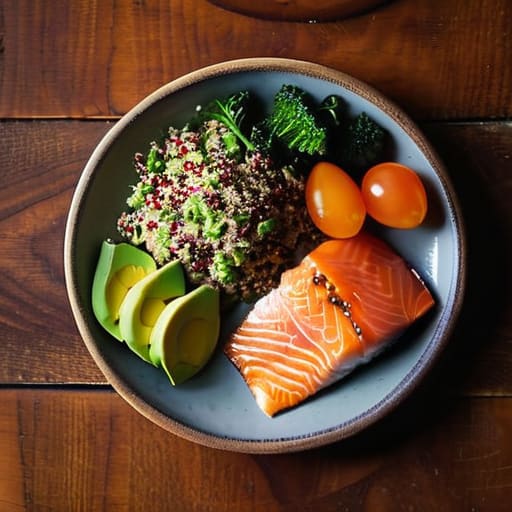
When you’re swapping out milk for soy or wheat for gluten, it’s easy to fall into the trap of just replacing a calorie with another calorie. But in a school setting, where you’re feeding growing bodies, a “safe” swap that lacks substance is a failure of care. I’ve seen too many menus where the allergy-friendly option is essentially just a refined carbohydrate that leaves a child hungry and crashing by third period. You have to focus on nutrient density in allergen-free diets; if you take out the dairy, you aren’t just removing an allergen, you’re removing a primary source of calcium and Vitamin D.
The trick isn’t to find a magic “free-from” product that does everything; it’s about intentionality. If you are managing food sensitivities through diet, you need to look at the nutritional profile of the replacement. If the bread is gluten-free, is it fortified? If the egg is replaced by flax, where is the protein coming from? My advice is to build your safe food substitution strategies around whole foods rather than expensive, highly processed substitutes. It’s more practical for your budget and much better for the kids.
Meal Planning for Multiple Food Allergies Without Burnout
The mistake I see most often in school kitchens is the attempt to create a bespoke, “special” meal for every single child with a different restriction. If you try to cook ten different versions of lunch, you will fail, and when you are exhausted, that is exactly when a cross-contamination error happens. Instead, I advocate for a “base-layer” approach. Design your core menu around naturally allergen-free ingredients—think rice, potatoes, fresh vegetables, and certain proteins—so that the majority of your students are safe by default. This simplifies meal planning for multiple food allergies by reducing the number of “special” plates you have to track.
However, when you strip out entire food groups like dairy or wheat, you have to be intentional about what you’re putting back in. You can’t just replace a slice of bread with a rice cake and call it a day; you need to focus on nutrient density in allergen-free diets to ensure those kids aren’t just full, but actually nourished. If you’ve removed dairy, ensure your plant-based alternatives are fortified. It’s about making sure the substitution provides the same nutritional punch as the original, without adding ten extra steps to your prep list.
Five Ways to Protect Your Students Without Losing Your Mind
- Stop trying to invent new recipes for every single allergy; instead, build your core menu around “naturally safe” ingredients like rice, potatoes, or legumes so that a substitution isn’t a frantic rescue mission, but just part of the plan.
- Make the ingredient list for your most common sauces and bases visible and permanent; if a cook has to hunt through a folder of spec sheets while thirty hungry kids are staring at them, they’re going to make a mistake.
- Treat “hidden” allergens—like the soy in your bread or the flour in your thickener—with the same respect you give the big ones; a nutritional plan is only as strong as its smallest, most overlooked component.
- Train your staff to understand that “nutritionally equivalent” doesn’t just mean replacing milk with water; it means finding a substitute that actually provides the calcium or protein the child needs to grow, otherwise, you’re just swapping one problem for another.
- Use a “double-check” system for high-risk plates where the person plating the food is different from the person who prepared the bulk ingredient; two sets of eyes are worth more than any fancy digital allergen management software.
The Bottom Line: What Matters When the Rush Starts
Stop chasing perfection and start mastering the basics: a foolproof ingredient list, clear labeling, and a staff that knows exactly which sauce is the “danger zone” for allergens.
Substitution isn’t about finding a fancy alternative; it’s about ensuring the replacement doesn’t introduce a new, unmanaged risk through hidden ingredients or cross-contact.
If your meal plan is too complex for a busy Tuesday lunch service, it’s a bad plan—build your menus around what your team can reliably control without losing their heads.
Frequently Asked Questions
How do I ensure a substitute ingredient doesn't accidentally introduce a different allergen through cross-contact during prep?
Stop thinking about the ingredient and start thinking about the tools. You can have the cleanest substitute in the world, but if you use the same spatula that just touched peanut butter, you’ve failed. I tell my teams: color-coded boards are fine, but dedicated prep stations and fresh utensils are better. If you’re swapping milk for soy, that prep happens first, or in a separate zone, with everything washed and dried before the “normal” ingredients even touch the counter.
If we are working with a tight budget, how can we provide nutritionally complete meals for kids with multiple restrictions without the costs spiralling?
Stop looking for expensive “free-from” branded substitutes; they’re a budget killer and often nutritionally empty. If a child can’t have dairy, don’t buy the pricey vegan cheese—use seeds, legumes, or fortified soy. Focus on whole foods that are naturally safe. A lentil dahl or a vegetable stir-fry is inherently safer and cheaper than trying to re-engineer a processed meal. Use what’s already in your pantry, just ensure the nutritional gaps are filled.
What is the most practical way to communicate these nutritional changes to the kids and staff so nothing gets lost in the rush of service?
Stop relying on memory or verbal handovers; that’s where the mistakes happen when the lunch rush hits. You need a “single source of truth.” I want to see a physical, laminated menu on the service hatch that clearly flags allergens with simple icons, and a matching sheet for the servers. If a child asks, “Is there dairy in this?”, the staff shouldn’t have to run back to the chef—they should just look at the sheet.