I once walked into a school kitchen during a mid-morning rush, the air thick with the smell of industrial degreaser and toasted bread, only to find a manager staring blankly at a fifty-page contract that looked like it had been written by a lawyer who had never actually seen a commercial oven. They were paralyzed, trying to figure out how to write a catering specification that satisfied the board of governors while also being something a tired kitchen assistant could actually understand at 11:30 AM. Most people think a spec needs to be a massive, impenetrable wall of legal jargon to be “professional,” but in my experience, a document that is too complex to follow is just expensive scrap paper.
I’m not here to give you a template that looks good in a filing cabinet but fails the moment the lunch service gets slammed. Instead, I’m going to show you how to build a practical, lean framework that focuses on the things that actually matter—like allergen controls and temperature discipline—without the unnecessary fluff. My goal is to help you learn how to write a catering specification that your staff will actually respect and, more importantly, one that keeps your kitchen running safely when the pressure is on.
Table of Contents
Why Menu Design Requirements Must Respect Your Real Staffing
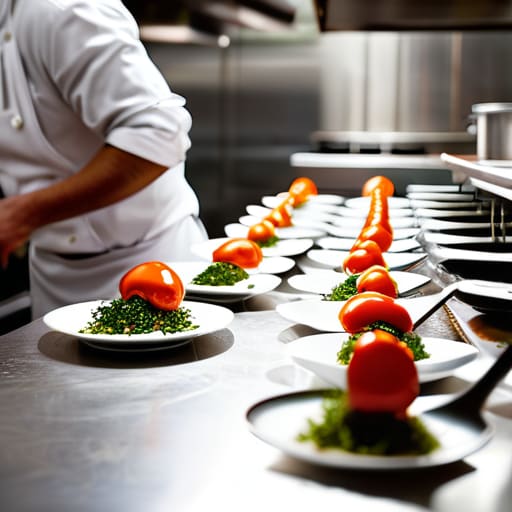
I’ve seen it a dozen times: a procurement team sits in a bright, quiet boardroom and drafts a set of menu design requirements that look brilliant on paper but are a total disaster in practice. They demand intricate garnishes, five different sauce reductions, and complex plating for a midday service when you only have two prep cooks and a window of forty minutes. It’s a recipe for chaos. When you stack high-concept culinary demands on top of a skeleton crew, you aren’t just risking a messy plate; you are actively inviting cross-contamination and temperature failures.
If your catering procurement documentation asks for a menu that requires constant, high-touch manipulation of food, you are setting your staff up to fail. In a high-pressure school or care environment, complexity is the enemy of safety. I always tell managers to look at their catering service level agreements and ask: “Can a tired, rushed person still execute this safely?” If the answer is no, strip the menu back. Focus on robust, repeatable processes rather than flourishes that require staff to fight against their own clock just to meet a standard that doesn’t actually improve the meal.
Moving Beyond Vague Catering Service Level Agreements
I’ve sat through too many meetings where people throw around terms like “premium service” or “high standards” as if those words actually mean something on a Tuesday morning when the delivery is late and the oven is acting up. When you are drafting your catering service level agreements, you have to stop using adjectives and start using numbers. “Freshly prepared” is a lovely sentiment, but it’s legally and operationally useless. Does it mean prepared on-site? Does it mean prepared within two hours of service? If your documentation doesn’t define the exact threshold for what constitutes quality, you aren’t managing a contract; you’re just hoping for the best.
Instead, focus your food quality control standards on the things that actually prevent a crisis. Don’t just demand “consistency”; demand that the temperature of the cooked chicken meets a specific internal target every single time, recorded in a way that isn’t just a series of suspicious-looking identical marks in a logbook. You need to move away from vague promises and toward verifiable evidence. If you can’t measure it, you can’t enforce it, and if you can’t enforce it, it’s just expensive wallpaper.
Stop Writing for Lawyers and Start Writing for the Person Holding the Spatula
- Define your allergen management by the actual process, not just a disclaimer. Don’t just say “all allergens must be managed”; specify that the spec requires a dedicated, clean prep area for high-risk substitutions and a double-check system where the person plating the meal verifies the label against the kitchen’s allergen matrix.
- Build in “buffer” requirements for cleaning sequences. If your spec demands a deep clean of the entire line every night, but your staff are finishing service at 8:00 PM and need to be out by 8:30 PM, that requirement is a lie. Write in requirements for mid-service “reset” cleans that actually happen when the pressure is on.
- Be specific about temperature documentation, not just the target. A spec that says “food must be kept at safe temperatures” is useless. I want to see a requirement for specific, timed recording intervals—especially during the transition from the kitchen to the serving hatch—so there’s no guesswork when the lunch rush hits.
- Specify the “how” of ingredient sourcing, especially regarding traceability. Instead of a vague “high-quality ingredients” clause, mandate that the contractor provides a monthly summary of supplier certificates. If I walk in and ask where that mince came from, the paperwork should be sitting there, not buried in an email thread from three weeks ago.
- Include “contingency capacity” as a core requirement. A good spec acknowledges that people get sick and ovens break. Require the caterer to outline their specific plan for how they maintain food safety standards when they are down two staff members or running on a single induction hob.
The Bottom Line: What Your Spec Actually Needs to Do
Stop writing for a perfect world; write for the Tuesday afternoon rush when you’re down two staff members and the deliveries are late. If a requirement can’t be met under pressure, it shouldn’t be in the spec.
Replace “high standards of hygiene” with specific, repeatable actions—like exactly how often a surface must be cleared or how a specific allergen-sensitive prep area must be partitioned. Vague words don’t stop cross-contamination; sequences do.
Treat your specification as a living document, not a legal shield to hide behind. If you notice a requirement is being consistently ignored in the kitchen, don’t just blame the staff—check if the spec was unrealistic to begin with.
Frequently Asked Questions
How do I write a spec that covers allergen management without it becoming a massive, unreadable document that staff just ignore?
Stop trying to bury allergen protocols in a mountain of fine print. If your spec says “all allergens must be managed,” you’ve achieved nothing. Instead, write it as a workflow. Specify exactly how the chef communicates a recipe change to the front-of-house, and exactly how they verify a substitute ingredient’s label. Don’t mandate a library of binders; mandate a single, clear way to cross-reference a dish against the allergen matrix before it leaves the pass.
If I know my kitchen team is understaffed, how much can I realistically push back on certain service requirements in the specification?
You push back on anything that creates a “shadow task.” If a requirement says “all sauces must be made from scratch daily” but you only have two people on the morning shift, that requirement is a ticking time bomb for food safety. Don’t feel guilty about trading complexity for consistency. I’d much rather see a spec that demands high-quality, pre-prepared components with foolproof temperature controls than a “gourmet” menu that ensures your staff will skip the cooling logs just to keep up.
What’s the best way to include specific cleaning sequences in a spec so they actually happen during a busy service instead of being left until the end of the shift?
Stop treating cleaning like a post-service afterthought. If your spec just says “clean as you go,” you’ve already lost. Instead, build “micro-cleaning” into the workflow. Specify exact triggers: “Wipe prep surfaces after every protein change” or “Sanitise boards between allergens.” Don’t just list chemicals; list the sequence. When the spec dictates that cleaning happens during the lull between prep and service, it becomes a manageable task rather than a mountain of grime at 2:00 PM.