I’ve spent sixteen years walking into kitchens where the air is thick with the smell of industrial degreaser and the frantic energy of a lunch service that’s already three minutes behind. I remember one specific Tuesday—the steam was hitting the ceiling, a timer was shrieking in the background, and I watched a cook nearly drop a tray of allergen-heavy pasta because they were trying to juggle three different tasks at once. People love to give you glossy, expensive manuals on how to manage a small school kitchen, acting as if a hundred-page binder of “best practices” will magically create more staff or more time. It won’t. In a real kitchen, those manuals are just expensive paperweights that nobody has the breath to read while they’re plating four hundred meals.
I’m not here to sell you on perfection or complicated digital tracking systems that break the moment a toddler touches them. My promise to you is much simpler: I am going to show you how to focus your limited energy on the high-stakes controls that actually keep children safe and your kitchen running. We are going to talk about the boring, unglamorous habits—the temperature logs, the cleaning sequences, and the communication loops—that actually matter when the pressure is on.
Table of Contents
Kitchen Space Optimization and the Discipline of Flow
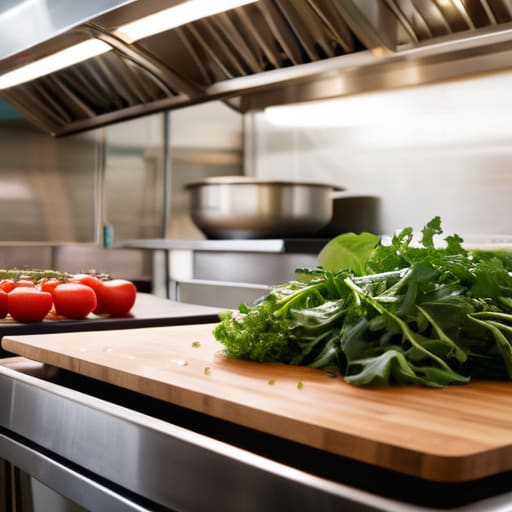
In a tiny kitchen, “flow” isn’t some lofty culinary concept; it is the difference between a smooth service and a dangerous bottleneck. When you are squeezed into a space designed for half the volume you actually serve, every unnecessary step is a risk. I’ve seen too many staff members tripping over each other because the prep area is too far from the cooling station, or worse, because the raw meat prep is happening in the same narrow corridor as the salad assembly. True kitchen space optimization isn’t about buying more expensive equipment; it’s about making sure your high-frequency items—the things you touch fifty times a shift—are within arm’s reach.
If your layout forces a staff member to cross paths with a delivery driver just to get to the sink, your system is broken. You need to map out your movement based on the sequence of the meal, not just where the appliances happen to sit. This is where food safety compliance in small kitchens becomes a physical reality rather than a paperwork exercise. If the layout makes it hard to keep allergens separate, people will eventually take shortcuts to save time. And in my experience, the moment someone takes a shortcut to beat the lunch bell, that is exactly when the incident occurs.
Inventory Management for Small Kitchens Without the Chaos
If you’re running a tight ship, your stockroom shouldn’t be a graveyard for half-used bags of flour or mystery containers. In my experience, most chaos doesn’t start with a massive delivery error; it starts with the “I’ll deal with it later” pile. To maintain actual food safety compliance in small kitchens, you need a rigid, almost boring, rotation system. If your staff is constantly digging through the back of a walk-in to find the milk, they aren’t just wasting time—they are risking temperature excursions and cross-contamination.
Stop trying to over-order to save a few pennies on the unit price. For a small team, excess stock is just more clutter that hides expiring goods and creates physical hazards. I always tell my trainees: if you can’t see it, you can’t control it. Aim for a lean inventory that mirrors your weekly menu. This isn’t just about tidiness; it’s about inventory management for small kitchens that actually works. When your stock levels are predictable, your ordering becomes a routine rather than a frantic scramble, leaving your staff with more mental bandwidth to focus on the actual cooking.
The Non-Negotiables: Where to Spend Your Limited Energy
- Master the temperature log before you master the menu. I’ve seen beautifully plated meals served from fridges that were sitting at 9°C because the staff were too busy chopping to check the dial. If your temperature logs aren’t being updated in real-time, you aren’t managing a kitchen; you’re just hoping for the best, and hope is not a food safety control.
- Treat allergen communication as a live process, not a folder in the office. In a school setting, a child’s allergy can change by lunchtime. Don’t just rely on the printed spec from the supplier; make sure the person actually plating that specific meal knows exactly what’s in the sauce. If the communication breaks down between the prep cook and the server, the system has failed.
- Adopt a “clean as you go” discipline that actually works for your headcount. You don’t need a deep clean every hour, but you do need a sequence. If you’re prepping raw chicken and then moving straight to salad without a documented, mid-service sanitization of the surfaces and tools, you’re inviting a cross-contamination incident that no amount of paperwork will fix later.
- Simplify your ingredient list to reduce your risk profile. Every extra “specialty” ingredient you bring into a small kitchen is another potential allergen to track and another item that needs strict temperature monitoring. If you’re short-staffed, a tighter, more controlled menu is much safer than a complex one that stretches your team too thin to follow the rules.
- Focus on “Visual Controls” for your staff. In the rush of a school lunch service, people stop reading long manuals. Use color-coded boards, clear signage on prep containers, and labels that are impossible to miss. If a new member of staff can’t look at your station and immediately see which equipment is for which task, your setup is too complicated for a high-pressure environment.
Where to Focus Your Limited Energy
Prioritise the “boring” paperwork—if your temperature logs and allergen checklists are a mess, your physical cleaning regime doesn’t matter because you have no proof of safety.
Master your workflow before you buy new kit; a small kitchen with a logical, one-way movement of food is safer and faster than a larger one where staff are constantly tripping over each other.
Don’t try to do everything perfectly; pick the three most critical control points for your specific menu and make sure those are non-negotiable, even on your busiest service days.
Frequently Asked Questions
We’re already stretched thin with the morning rush; how do we maintain a temperature log without it becoming just another piece of paperwork we forget to actually do?
If the log feels like a chore, it’s because your system is designed for an office, not a kitchen. Stop trying to do it all at once. Tie it to a physical trigger: the log stays on the fridge door, not in a folder in the office. Check it when you first walk in and once before the lunch rush. If you can’t find thirty seconds to scribble a number during those windows, your temperature control is already a gamble.
If I only have two staff members on duty during the lunch service, which specific food safety checks should I prioritize so I’m not missing the high-risk stuff?
If you’re down to two people, stop trying to do everything and focus on the things that kill. First: allergen integrity. If your staff is rushing, they’ll grab the wrong bread or skip a label check—that’s where the emergencies happen. Second: temperature discipline. You don’t need a complex log every hour, but you must verify the core temp of high-risk proteins before they hit the tray. If you can’t do the paperwork, at least do the check.
How can we manage allergen communication effectively when the menu changes frequently and we don't have a dedicated prep person to update the labels?
Stop trying to manage a thousand individual labels; it’s a recipe for a mistake. If your menu shifts constantly, you can’t rely on static stickers. Instead, move the control to the source. Use a master allergen matrix that is updated once during the menu planning stage, not during the rush of service. If you can’t find time to re-label every tray, make sure your verbal briefing—the “huddle”—is non-negotiable. If the staff don’t know what changed, the labels don’t matter.