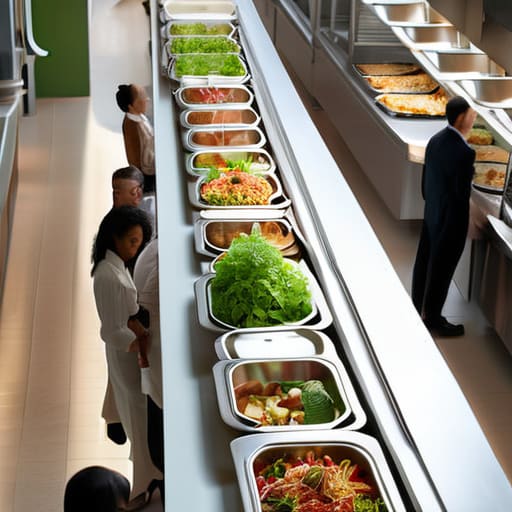
I remember standing in a school kitchen three years ago, watching a frantic midday service where the “dairy-free” pasta was being tossed in the same pan as the carbonara because the staff were too rushed to find the separate pot. It wasn’t malice; it was chaos. Most people think that figuring out how lactose intolerance is accommodated requires a complete overhaul of your procurement or a massive budget for specialist ingredients, but that’s nonsense. In reality, the gap between a safe meal and a miserable student usually comes down to how we manage the physical space and the labels on the line, not how much money you spend on fancy alternatives.
I’m not here to give you a lecture on the biology of enzymes or a list of expensive, niche products you’ll never use. Instead, I’m going to show you how to build realistic, repeatable systems that actually work when you’re short-staffed and the lunch bell is about to ring. We are going to focus on the unglamorous, boring essentials—from segregated prep zones to foolproof communication—so you can provide safe meals without losing your mind.
Table of Contents
Reading Nutrition Labels for Dairy the First Line of Defense
When I walk into a kitchen, I don’t just look at the ingredients; I look at how the staff interacts with the packaging. You can have the best intentions, but if your team is grabbing a “dairy-free” spread that actually contains milk solids because the label was tucked behind a crate, you’ve failed. Reading nutrition labels for dairy isn’t just a clerical task; it is your primary defense against a medical emergency. I tell my trainees: stop looking at the front of the pack. The marketing might say “plant-based” or “natural,” but the truth is always in the fine print of the allergen declaration.
If you are managing a school kitchen or a busy cafe, you need a system where the person opening the delivery isn’t guessing. I’ve seen too many “accidental” exposures because someone assumed a certain brand of margarine was safe. When you are sourcing dairy-free dietary substitutions, make it a rule that the label must be checked against your allergen matrix every single time the supplier changes. It feels repetitive, and it feels like a waste of time when you’re under pressure, but it’s the only way to ensure that “safe” actually means safe.
Managing Lactose Intolerance in Restaurants Without Breaking the Line
When the lunch rush hits and the tickets are stacking up, the last thing you need is a frantic search for a milk alternative while a customer waits. Realistically, managing lactose intolerance in restaurants isn’t about having a massive, expensive inventory; it’s about creating a workflow where the error is impossible. I’ve seen too many “accidental” dairy inclusions simply because a chef reached for the nearest cream to save thirty seconds. You need a designated, physical space for your dairy-free dietary substitutions—a specific shelf or a separate prep area—so that when a ticket flags an allergy, the staff isn’t scanning the entire walk-in in a panic.
Don’t aim for a menu that tries to be everything to everyone. Instead, focus on standardising your swaps. If you use oat or soy milk, ensure they are stored in clearly marked, colour-coded containers. If your team knows that the blue jug is always the dairy alternative, you’ve just removed the cognitive load that leads to mistakes. It’s about building a system that works even when your most tired staff member is on the line.
Five Practical Wins to Stop Dairy From Slipping Through the Cracks
- Stop relying on memory during the lunch rush. If you use a specific plant-based milk for a sauce or a dressing, it needs its own dedicated, clearly labelled container. If your staff has to “just remember” which carton is oat and which is whole milk while they’re plating up 150 meals, someone is going to make a mistake.
- Create a “Safe Substitutes” cheat sheet for your front-of-house team. Don’t make them hunt through a thick manual or ask the chef every single time a customer asks a question. A simple, laminated list of which dishes are naturally dairy-free and which can be easily swapped makes them feel confident and keeps the service moving.
- Watch your cross-contamination at the source, not just the plate. I’ve seen too many kitchens use the same tongs for buttered toast and then for a dairy-free sandwich. It’s a small thing, but it’s exactly how a “safe” meal becomes a problem. Assign specific, colour-coded utensils for dairy-free prep if you can, or at the very least, make it a strict rule to clean and sanitise between tasks.
- Audit your “hidden” dairy. It’s rarely the obvious stuff like cheese or cream that trips people up; it’s the malt in a sauce, the whey in a bread, or the milk powder in a bouillon cube. Spend twenty minutes one afternoon with your most common dry goods and actually check the back of the packets. If you find a hidden source, update your menu notes immediately.
- Build a culture of “ask, don’t guess.” I tell every kitchen manager I work with: I’d much rather a chef pause for ten seconds to double-check a label than have them confidently tell a customer a dish is safe when they aren’t 100% certain. If the staff feels pressured to be fast over being right, that’s when the incidents happen.
The Bottom Line: Keeping it Safe When the Rush Hits
Stop relying on memory; if a dairy substitute or a “safe” ingredient isn’t clearly labelled in the prep area, it’s a risk waiting to happen.
Focus your training on the ‘why’—staff who understand that a splash of milk in a sauce isn’t just a mistake, but a medical event, are far more likely to double-check the label.
Don’t try to be everything to everyone; identify your most common dairy-free swaps and master the controls for those specific items rather than spreading your focus too thin.
Frequently Asked Questions
How do I handle a situation where a customer asks for a dairy substitute, but my staff isn't 100% sure if the substitute itself contains traces of milk?
Stop. If they aren’t 100% sure, they don’t serve it. Period. I’ve seen too many “I think it’s fine” moments turn into emergency calls. Tell your staff that “maybe” is a dangerous word in a kitchen. If the label is missing or the packaging is unclear, they must treat it as containing milk. It is far better to tell a customer, “I can’t guarantee this is safe,” than to gamble with their health.
Is it actually necessary to have a separate, dedicated area for preparing dairy-free meals, or is thorough cleaning and tool-swapping enough to manage the risk?
Look, I get the pressure. When you’re mid-service and the tickets are piling up, the idea of a “dedicated dairy-free zone” feels like a fantasy. In a tight kitchen, it usually isn’t practical. You don’t need a separate room, but you do need discipline. Thorough cleaning and swapping out your boards and utensils isn’t just “enough”—it’s your primary defense. If your staff isn’t disciplined about that transition, no dedicated corner in the world will save you.
When we're short-staffed during a busy lunch rush, what is the one non-negotiable step I can tell my team to stick to so we don't accidentally cross-contaminate?
When the tickets are flying and you’re down a person, don’t try to manage the whole kitchen. Just enforce one rule: dedicated, clean utensils for every dairy-free request. If a staff member reaches for a spoon used in the pasta water to stir a lactose-free sauce, the system has failed. It’s a small, boring discipline, but it’s the one that actually prevents a child from ending up in A&E. Stick to the separate kit, every single time.